
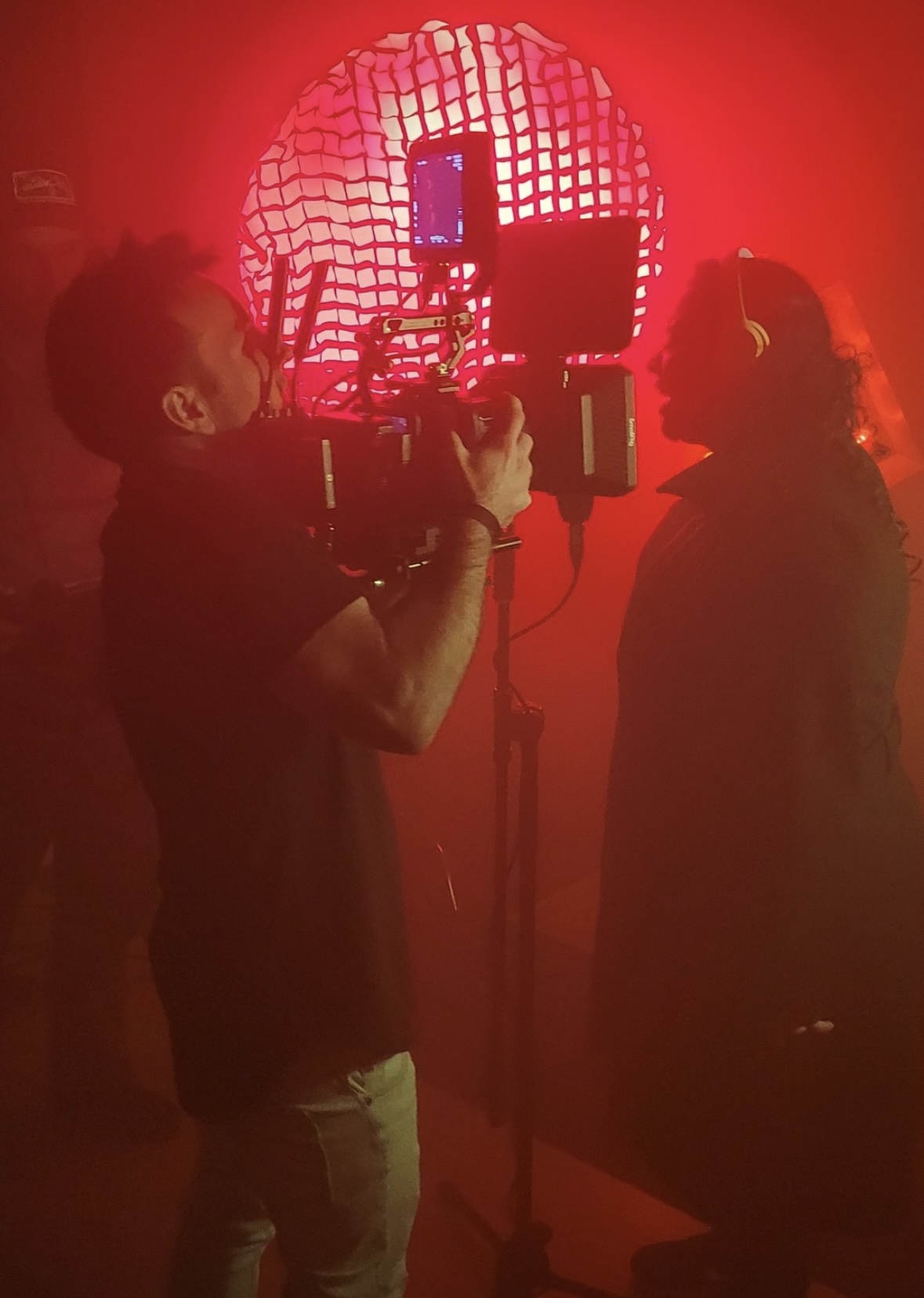

A corporate video can burn through budget quickly if the brief is vague. The strongest projects start well before a camera turns up on site, which is why understanding how to plan corporate video properly matters so much. If the purpose, audience and delivery plan are unclear, even a polished final edit can miss the mark.
For most organisations, video is not a one-off creative exercise. It is a business asset. It might need to support recruitment, explain a service, train staff, build stakeholder confidence or give a campaign more cut-through. Planning is what turns video from a nice piece of content into something that actually does a job.
How to plan corporate video with the end use in mind
The first question is not what the video should look like. It is what the video needs to achieve. That sounds obvious, but many briefs still begin with style references before anyone has defined the outcome.
Start with the business objective. Are you trying to attract better candidates, reduce repeated questions from customers, improve internal compliance, support a tender, or give a sales team stronger collateral? A corporate video planned around a clear objective is easier to script, easier to produce and easier to measure afterwards.
The audience comes next. A video for internal staff should not be planned the same way as a piece aimed at prospective students, government stakeholders or industrial buyers. Each audience has a different level of familiarity, different concerns and a different threshold for detail. If you try to speak to everyone at once, the message usually gets watered down.
It also helps to define the decision or response you want from the viewer. Do you want them to trust your capability, understand a process, apply for a role, attend an event or change a behaviour? Good planning gives the video a clear job and a realistic next step.
Build the brief before you build the concept
A strong brief is less about creative language and more about clarity. At a minimum, it should outline the objective, audience, key messages, delivery channels, timeframe, budget range and approval process. Without those basics, production can become slow and expensive for no good reason.
Key messages are worth tightening early. Most corporate videos try to carry too much information. If everything is important, nothing stands out. Usually, there are two or three points that matter most. Those need to be expressed in plain language and supported by visuals that make them believable.
This is also where internal alignment matters. In larger organisations, marketing may want one thing, operations another and leadership something else again. That is normal. The fix is to get decision-makers aligned before production begins, not after the first edit lands. Late-stage changes are one of the quickest ways to lose time, budget and momentum.
Choose the right type of corporate video
Not every brief needs a hero brand film. Sometimes the smartest approach is a practical, modular set of assets that can be used across channels and over time.
If the goal is recruitment, you may need a core culture video plus shorter role-specific cutdowns. If the goal is stakeholder communication, a concise leadership-led piece with supporting b-roll might be more effective than a highly produced narrative. If the goal is training, clarity and consistency will matter more than cinematic flair.
This is where trade-offs matter. A single flagship video can create strong impact, but a content suite often delivers more day-to-day value. There is no universal right answer. It depends on how the organisation plans to use the material, how often messages will change and how many departments need content.
Plan the message around real people
Corporate audiences still respond to human stories. That does not mean every video needs to be emotional or overly polished. It means the content should feel relevant to the people watching it.
When planning interviews, choose talent carefully. The best on-screen contributor is not always the most senior person in the room. It is the person who can speak with credibility, confidence and some warmth. For an internal change piece, that might be a respected operational leader. For recruitment, it could be current staff who reflect the actual team and environment.
Scripting should also reflect how people speak. Overwritten corporate language tends to flatten the message. A good script keeps the structure tight but leaves room for natural delivery, especially in interview-led formats. Viewers can tell when someone is reciting approved wording rather than saying something they mean.
Work backwards from distribution
One of the most practical answers to how to plan corporate video is this: decide where it will live before you shoot it. Distribution affects runtime, framing, scripting, graphics and even what footage you prioritise on the day.
A video for LinkedIn, a website homepage, a conference screen and an internal LMS should not all be treated as the same asset. They may share footage and messaging, but they need different versions. Planning for those outputs early is more efficient than trying to retrofit everything in post-production.
This is especially important if the content needs a long shelf life. If your messaging is likely to change, avoid locking in details that date quickly. In those cases, modular production is often the smarter choice. Film a core set of evergreen visuals and interviews, then create multiple edits that can be refreshed without reshooting the entire project.
Get practical about budget, approvals and logistics
Good production planning is not just creative. It is operational. Many video projects stall because someone has underestimated location access, stakeholder reviews or the time required to coordinate talent.
Budget should be discussed early and honestly. A useful production partner can scale the approach to suit the objective, but only if the parameters are clear. There is a big difference between a one-day interview shoot and a multi-location production with drone, animation, voiceover and photography. Neither is inherently better. The right level of production is the one that suits the purpose.
Approvals are another major factor. If legal, brand, communications and executive teams all need to sign off, map that process at the start. Decide who has final approval, how many review rounds are included and what kind of feedback is actually actionable. This protects the schedule and keeps creative decisions tied to the original brief.
Then there are logistics. Access to sites, PPE requirements, weather contingencies, staff availability, release permissions and downtime windows all shape what is realistic. In sectors like mining, manufacturing, health and government, these details are not side issues. They are part of the production strategy.
How to plan corporate video for an efficient shoot
By the time filming begins, the project should already feel predictable. The crew should know what is being captured, why it matters and how each scene supports the final deliverables.
That means creating a clear production plan with an interview schedule, shot list, call sheet and location rundown. If multiple outputs are being captured in one shoot, prioritise the material with the highest strategic value first. Extra content is useful, but not if it comes at the expense of the core brief.
It is also worth planning for visual variety. Corporate video often relies too heavily on interviews and generic office footage. Stronger results come from filming real environments, real interactions and process-led visuals that show the organisation in motion. That footage gives editors more flexibility and helps the final story feel grounded rather than staged.
Think beyond delivery day
The final edit is not the finish line. A well-planned video project considers rollout, versioning and future use from the start.
Ask what else can be created from the same production investment. Could stills be captured alongside motion? Can short social edits, vertical versions, recruitment cutdowns or internal messaging assets be produced from the same shoot? This is often where the best value sits, particularly for organisations managing multiple communication needs across the year.
Measurement matters too, although success metrics will vary. A campaign video might be judged by reach, engagement or lead quality. An internal training video might be measured by completion rates, knowledge retention or fewer repeated incidents. If success has not been defined in advance, it becomes difficult to assess whether the project worked.
Planning corporate video properly is less about making it complicated and more about making it purposeful. When the brief is clear, the audience is understood and the production process is built around actual business use, the result is usually stronger on screen and far more useful after launch. That is where experienced production partners such as THIRTY3SOUTH Films tend to add real value – not just in execution, but in helping shape a video that has a job to do.
If you are about to commission a corporate video, the smartest place to start is not with a camera angle or a mood board. Start with the decision you need your audience to make, then build the video around that.