
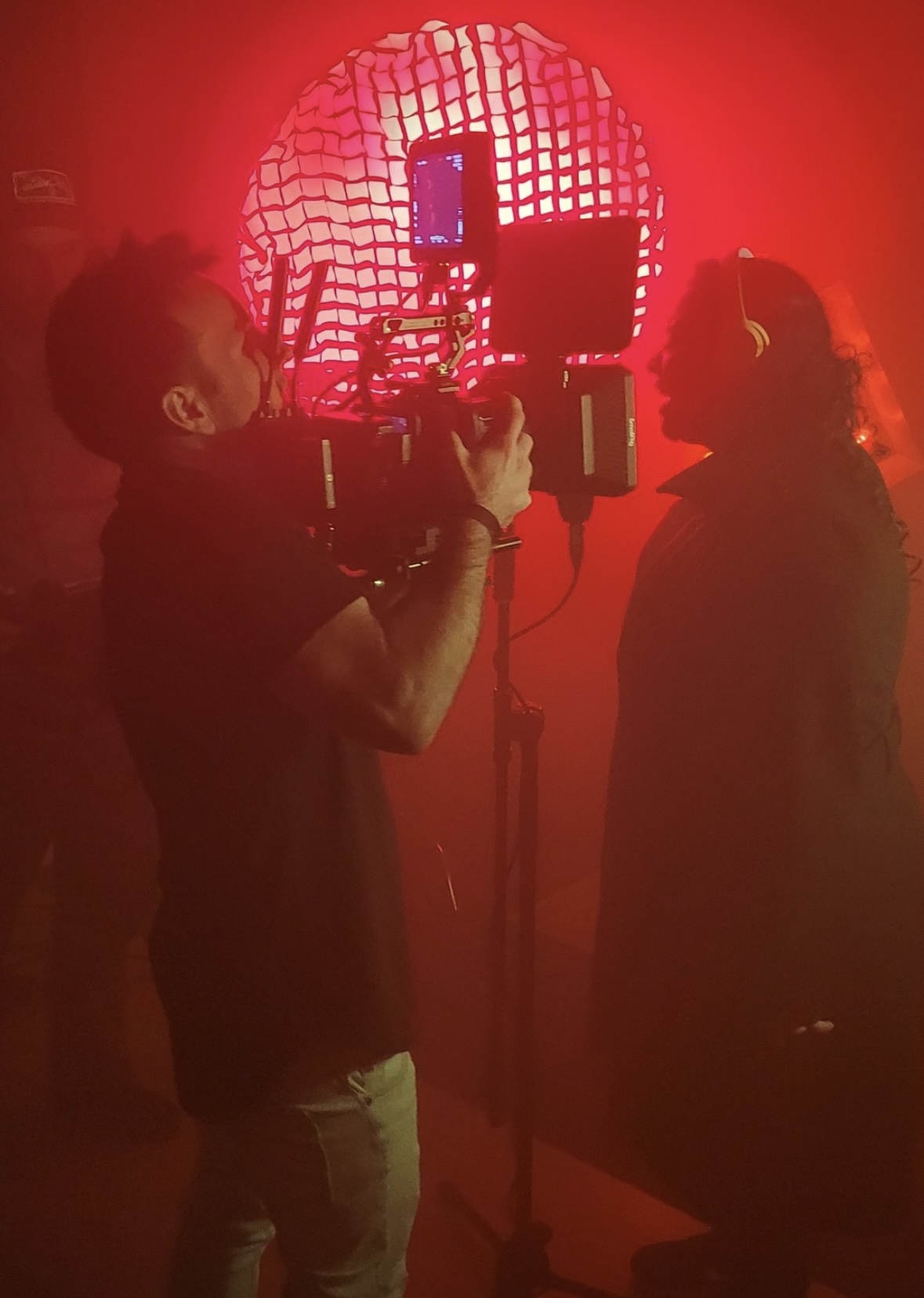

A polished video with no clear job to do is expensive wallpaper. That is the gap many organisations run into when buying content. They commission business video production services expecting engagement, clarity or conversion, then end up with a nice-looking asset that does very little once it leaves the edit suite.
The better approach is to start with purpose and build production around it. For businesses, institutions and government organisations, video is rarely just about brand presence. It might need to explain a complex service, support a tender, recruit staff, onboard teams, communicate change, improve safety compliance or give a campaign enough substance to perform across channels. When the objective is clear, the creative gets sharper and the production process becomes far more useful.
What business video production services should actually deliver
At a practical level, business video production services cover strategy, concept development, scripting, filming, editing and final delivery. In stronger projects, they also include animation, photography, drone capture, media management and the planning needed to make assets work across more than one platform or audience.
That breadth matters because most organisations do not need a single hero video in isolation. They need a content set that can carry the same message through a campaign, a recruitment push, a stakeholder update or an internal communications rollout. A two-minute brand film may have value, but so can six social cutdowns, a square case study edit, a staff induction module and a bank of stills from the same production day. The commercial value often sits in how well one shoot is designed to do multiple jobs.
Good production partners understand that constraint. Budgets, timelines, compliance requirements and stakeholder approvals are part of the work, not an inconvenience around it. If a provider only talks about shots, gear and style references, they may be missing the more important part of the brief.
Why strategy matters before the cameras roll
A lot of video underperforms because the strategic questions were never resolved upfront. Who is the audience? What do they need to understand, feel or do after watching? Where will the content live? Who needs to approve it? What internal sensitivities or regulatory issues need to be managed? Those questions shape the brief more than the camera package ever will.
For example, a recruitment video for a regional manufacturer has a different job from a ministerial stakeholder update or a property launch campaign. The recruitment piece may need to humanise the workplace, show culture credibly and address concerns around location, progression or safety. The stakeholder update may need careful scripting, disciplined messaging and a formal approval path. The property campaign may need speed, polish and a broader suite of deliverables for digital, display and presentation environments.
This is where strategic production earns its keep. It connects messaging, audience and delivery format before creative decisions are locked in. That does not make the work less creative. It makes the creativity more effective.
Choosing business video production services for complex organisations
Not every production company is built for business environments. Some are excellent at consumer campaigns or music-driven visual work, but less suited to projects with multiple decision-makers, operational constraints or sensitive subject matter.
If you are assessing business video production services, one of the first things to look for is whether the provider can operate confidently inside a structured organisation. That means handling briefing properly, managing talent and locations professionally, understanding site requirements, working safely, and keeping the production moving without creating extra admin for your team.
It also means being able to translate business language into content language. A communications manager might bring a change program, an HR lead might need recruitment assets, and a government team may require public-facing material with strict messaging boundaries. The production partner needs to meet each brief at that level, not force every problem into the same creative format.
There is also a practical difference between a supplier who can make one good video and a partner who can build a repeatable content system. For organisations with ongoing needs, consistency matters. Visual quality, messaging discipline, turnaround times and file delivery all need to hold up across multiple projects.
The services that create the most value
The highest-value production work usually combines several capabilities into one coordinated process. Strategy is one part of that, but execution matters just as much.
Creative development and scripting set the direction. This is where message hierarchy, tone and audience relevance are established. For businesses, scripting often needs to be concise and functional without sounding stiff. That balance is harder than it looks.
Production is where planning is tested. Filming on active worksites, in live education settings, in health environments or inside corporate offices requires more than technical ability. It requires calm project management and a crew that can capture strong material without interrupting operations.
Post-production is often where business outcomes are won or lost. Editing shapes pace and clarity. Motion graphics can simplify complex information. Sound design affects professionalism more than many buyers expect. Versioning allows one production to be adapted for different departments, regions or channels. If your audience includes both external prospects and internal staff, those refinements matter.
Then there is media management. Organisations often underestimate how useful it is to have footage and assets structured properly for future use. A well-run production should not just hand over final files. It should leave you with content that can keep working.
What a strong brief looks like
The best briefs are not always the longest. They are the clearest. A good starting point is to define the business problem first and the content format second.
If you can articulate the audience, objective, timeframe, approval structure and distribution plan, the production team can do far better work. It is also useful to be honest about constraints. Site access, legal review, executive availability, staff participation and existing brand rules all influence what is achievable.
The strongest briefs also identify success in practical terms. That might mean increased applications, better campaign performance, stronger stakeholder understanding, improved induction completion or a clearer sales conversation. Not every outcome is a simple metric, but every project should have a reason it exists.
Common mistakes when commissioning video
One common mistake is treating video as a final layer rather than a communication tool. If the strategy is weak, the production quality will not rescue it.
Another is trying to say everything in one piece. Business audiences are diverse, and one all-purpose video often becomes too broad to be persuasive. It is usually better to define the primary audience and then build supporting edits for secondary use.
There is also the issue of under-scoping delivery. A single finished video may not be enough if the real need is a suite of assets across web, social, presentations and internal channels. Planning for that at the start is more efficient than returning later for fragmented add-ons.
Finally, some organisations choose on price alone and then pay for it in delays, unclear process or content that does not quite fit the brief. Budget matters, of course. But in business production, reliability has real value.
When the cheapest option costs more
Procurement pressure is real, especially in larger organisations. But low-cost production can become expensive if it creates more internal handling, more revisions or a result that needs replacing early.
A more useful comparison is cost against intended lifespan and utility. If a video supports a major recruitment push, a multi-stage campaign, a tender response or a training rollout, then the real question is whether it performs its role properly. A strategically built production with multiple cutdowns and reusable assets may deliver far better value than a cheaper single-output job.
This is where an experienced production partner stands apart. Businesses such as THIRTY3SOUTH Films are engaged not simply to make content, but to shape content systems that support communication and growth. That difference matters most when the brief is complex and the stakes are commercial.
A better way to think about video
Video should not sit in a marketing silo unless the job is purely promotional. In most organisations, it touches brand, sales, HR, operations, internal communications and stakeholder engagement. The more connected the thinking, the stronger the return.
That does not mean every project needs a large crew or a complicated campaign structure. Some briefs call for efficiency and speed. Others need broader planning and layered deliverables. It depends on the audience, the risk profile and the expected shelf life of the content.
What does stay consistent is this: business video works best when it is treated as an asset with a purpose, not a creative exercise looking for one. If your next brief starts there, the production decisions become much easier and the result is far more likely to keep doing useful work long after launch.