

A video can be filmed in a day and still take six weeks to deliver. For marketing managers and communications teams, that gap is often the source of frustration. Video production timelines are not determined by shoot days alone. They are shaped by decisions made before a camera is switched on, the availability of people and locations, and how quickly stakeholders can review work once it is in motion.
The practical question is not simply, “How long will this video take?” It is, “What needs to happen for this video to be accurate, approved and useful when it is needed?” A recruitment campaign, safety induction, executive announcement and brand film each carry different risks, review requirements and production demands. A realistic timeline protects the quality of the work and gives the final asset a better chance of doing its job.
What a typical video production timeline looks like
For a straightforward corporate video, allow four to six weeks from initial briefing to final delivery. A more involved campaign with several films, animation, multiple locations or a large approval group can require eight to 12 weeks or longer. Fast-turnaround projects are possible, but they need clear trade-offs: a simpler concept, fewer locations, tightly managed feedback and stakeholders who are available to make decisions.
The work generally moves through pre-production, production and post-production. Those stages are familiar, but treating them as separate boxes can be misleading. A decision delayed in pre-production often creates pressure in the edit. A late change to the message can affect the script, interview questions, filming plan and graphic treatment at once.
Pre-production: usually one to three weeks
Pre-production is where a project becomes deliverable rather than merely possible. It includes the brief, audience and objective, creative direction, scripting, schedules, location planning, crew, talent, permits, safety requirements and shot planning.
For organisations, this stage also means confirming the facts. Technical claims, policy language, product details, brand positioning and the names of subject matter experts all need to be right before filming begins. In regulated, industrial, health and government environments, reviews may need input from legal, safety, operational or communications teams. Building that into the schedule is more efficient than discovering it during a final approval round.
A short social cutdown with existing footage may only need a few days of planning. A film involving several sites, drone operations, employees on shift and executive interviews needs more lead time. Weather, site access, inductions and the availability of senior spokespeople can become critical path items.
Production: one day or several weeks
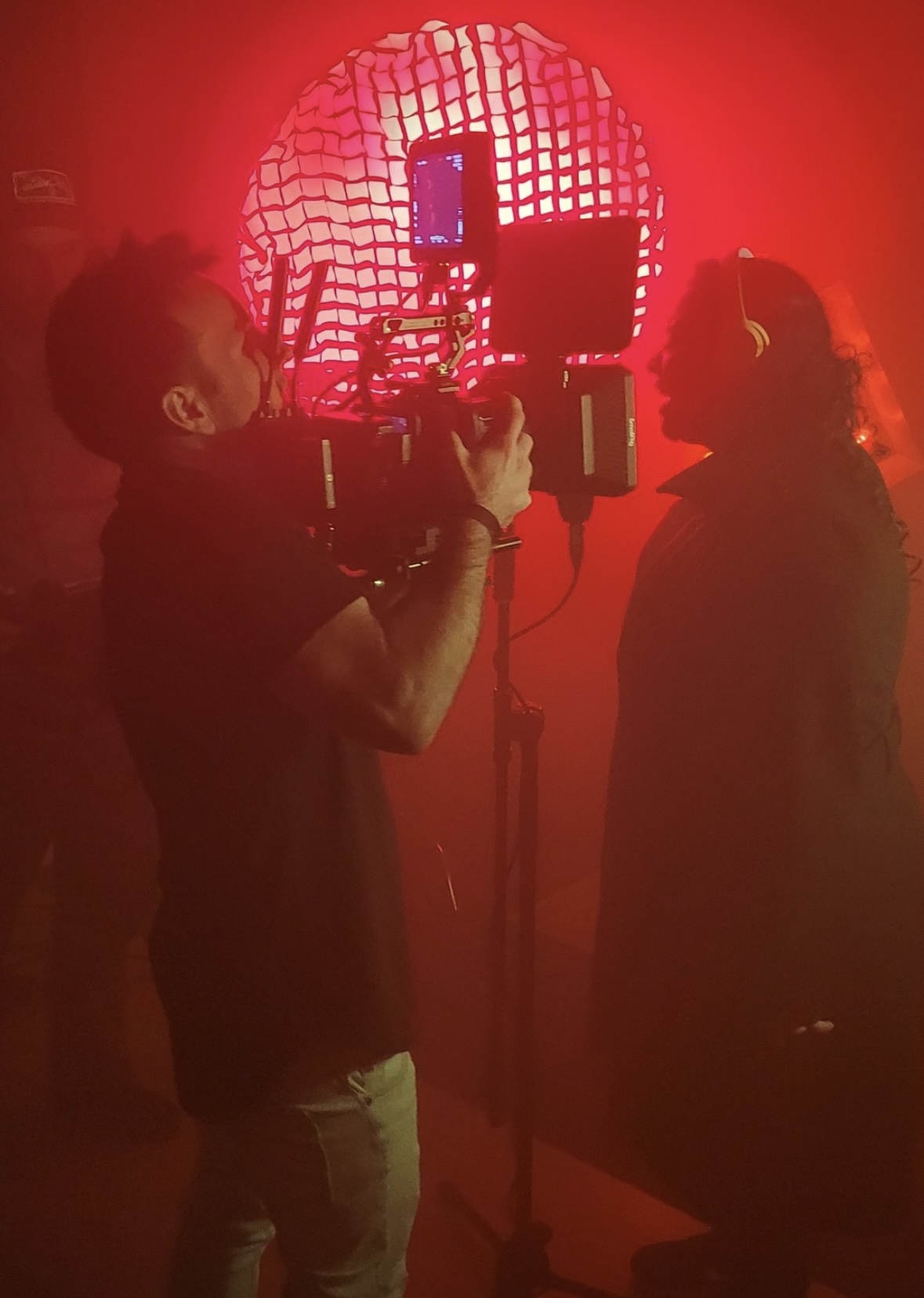
The shoot itself may be the most visible part of the process, but it is rarely the longest. A single-location interview-led video might be filmed in one day. A case study spanning regional sites, a property development series or a national campaign may involve staggered shoots across several weeks.
Good scheduling protects both the story and the organisation’s operations. It groups locations sensibly, allows time for site inductions and travel, and avoids asking staff to be available for longer than necessary. It also leaves enough room to capture the detail that makes a business credible: people doing the work, customer interactions, processes, environments and the moments that support what interviewees say.
There is a trade-off here. Compressing a two-day shoot into one can reduce crew costs, but it may limit coverage, rush talent or leave no allowance for operational interruptions. When the video has a high-stakes purpose, such as recruitment, stakeholder communication or safety messaging, that saving can be false economy.
Post-production: two to five weeks
Post-production includes footage management, editing, motion graphics, animation, music, sound mix, colour grade, captions and delivery in the required formats. It is also where the project begins to take shape for the people who will use it.
A first edit is commonly ready one to two weeks after filming, depending on the complexity of the project. This is not normally a near-final version. It is the point at which narrative structure, key messages and overall pace should be assessed. Later rounds should refine the work, not reopen the central purpose of the video.
Approvals are often the largest variable in post-production. If feedback comes through five people separately, with competing views and no final decision-maker, a two-day review period can stretch to two weeks. Consolidated feedback from one nominated owner keeps the edit moving and prevents changes that solve one stakeholder’s concern while creating another problem.
The factors that change video production timelines
The length of a project depends less on the final running time than on its production complexity. A 60-second animation can take longer than a three-minute interview video if every visual element must be designed from scratch. A short executive message can take longer than expected if the executive has limited availability and the script requires sensitive sign-off.
Several factors deserve attention at the start.
- Number of deliverables: A hero film plus social versions, vertical edits, cutdowns, captioned files and stills creates more value from a shoot, but each format requires planning and post-production time.
- Locations and access: Multiple sites add travel, logistics, site permissions and contingency. Filming on active industrial, education or health sites can require detailed coordination before crew arrive.
- People on camera: Employees can be authentic and persuasive, but they need clear guidance, release processes and time away from their usual roles. Professional talent may be easier to schedule, while adding casting and availability requirements.
- Creative complexity: Scripted scenes, animation, visual effects, specialised equipment and drone work each affect lead times. They should be considered early, rather than added after the first edit.
- Governance and approvals: The more stakeholders involved, the more essential it is to set review windows, approval responsibilities and version control from day one.
None of these factors is a reason to avoid ambition. They simply need to be matched with the purpose of the work. A major brand campaign can justify a deeper process. An internal update may be better served by a focused, repeatable format that can be produced quickly and consistently.
How to keep a production schedule moving
The most effective video projects are not the ones with the shortest schedules. They are the ones where the schedule supports good decisions at the right time.
Start with the required launch date, then work backwards from delivery. Include time for platform-specific exports, captions, internal distribution checks and any media booking. If a video needs to support an event, recruitment drive or public announcement, avoid treating the event date as the delivery date. The team responsible for publishing needs time to use the asset properly.
Set the business objective before discussing visual references. A film designed to attract skilled candidates needs a different structure and emotional emphasis from one designed to explain a complex policy change. Clarity at this point makes scripting faster and prevents subjective feedback later.
Nominate one project owner with authority to consolidate comments and make calls. That person does not need to hold every answer, but they do need to know who has final sign-off. Agreeing on two structured feedback rounds is usually more productive than allowing unlimited rolling revisions.
It also helps to identify non-negotiables early. This may include an executive’s availability, a site shutdown, an approval committee meeting, seasonal weather, product launch timing or a construction milestone. Once those dates are visible, the production plan can be built around reality rather than hope.
When a fast turnaround is the right call
Some projects genuinely need urgency. A response to a changing market, an internal leadership message, an event opener or an operational update may need to be delivered within days. In those cases, speed comes from reducing variables, not asking a team to work without a plan.
A rapid production approach might use a concise message, one location, a small crew, a single spokesperson and a defined delivery format. Existing brand assets, templates and a clear approval pathway can make this highly effective. It is less suitable when the story depends on broad coverage, complex stakeholder input or sensitive detail that requires careful validation.
For recurring communications, creating a repeatable production model is often the better answer. A planned series of employee stories, project updates or leadership videos gives the organisation a familiar format, predictable costs and a more reliable rhythm of content.
A production schedule should create enough space for people to think, not just react. When the message is clear, access is organised and approvals are managed decisively, the process becomes easier for everyone involved. The result is not merely a video delivered on time, but a business asset ready to be used with confidence.