

A recruitment campaign can have a strong media budget, a polished careers page and a well-written job ad, then still fall flat because candidates cannot picture themselves working there. The best employer branding videos solve that gap. They give people evidence of what a workplace feels like, who succeeds within it and why the work matters.
For HR, marketing and communications teams, that means employer brand video should not be treated as a recruitment add-on or a glossy culture reel. It is a practical business asset. It can help attract better-fit applicants, support hard-to-fill roles, give hiring managers a clearer story to tell and reinforce the experience an organisation promises once someone joins.
The best employer branding videos make a clear promise
Every organisation makes claims about its people: supportive, innovative, values-led, flexible, high-performing. Candidates have heard these words many times before. A video earns attention when it moves beyond the claim and shows what it looks like in practice.
A mining business might show how a new team member is supported through site induction and mentoring, rather than simply saying safety comes first. A university may let a researcher explain the practical impact of their work and the collaboration behind it. A manufacturer could show the pride, technical skill and problem-solving that sit behind a product line.
The point is not to manufacture a perfect workplace. It is to define the employer value proposition in human terms. What will this person contribute? What will they learn? What standards will they be expected to meet? What makes the role worthwhile on an ordinary Tuesday, not only at the annual awards night?
The answer should be specific enough to help candidates self-select. A video that appeals to everyone usually gives serious applicants very little to act on.
Start with the recruitment problem, not the filming day
The most effective projects begin with a business question. Is the organisation struggling to attract graduate engineers, regional health workers or experienced project managers? Is the issue awareness, perception or candidate quality? Are existing employees unclear on how to describe the workplace to their networks?
Those answers shape the creative approach. A broad brand film may be useful when an organisation needs to shift perception across multiple audiences. A role-specific series will often work harder when the priority is filling specialised positions. For large-volume recruitment, short, modular employee stories may provide more useful material than one flagship film.
This is where strategy matters. A compelling video is not automatically an effective one if it does not address the reason the organisation commissioned it.
Credibility matters more than polish alone
Production quality signals care, capability and professionalism. Poor sound, flat lighting or rushed interviews can undermine confidence in the organisation before a candidate has read the job description. But polish cannot compensate for a story that feels staged.
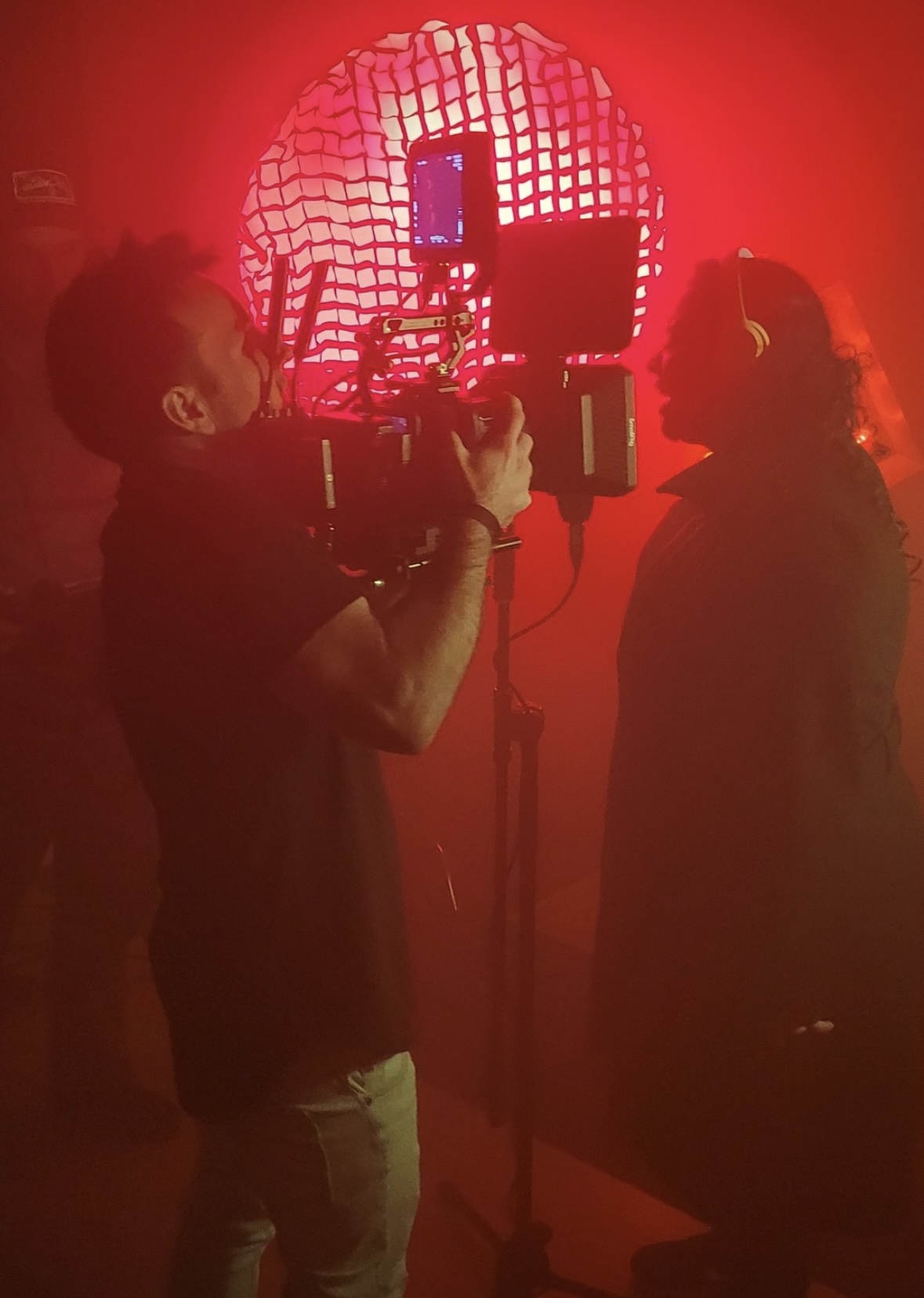
The strongest employer brand films balance control with reality. They show real environments, genuine working relationships and employees who speak in language they would actually use. Not every participant needs to be a natural presenter. In fact, a little individuality is often more persuasive than an overly rehearsed delivery.
That does not mean turning up with a camera and hoping something useful happens. Employees need thoughtful preparation, clear consent and the confidence to speak honestly. A good production process makes room for their experience while ensuring the narrative remains focused, legally sound and aligned with the organisation’s broader brand.
For government, health, education and industrial organisations, this balance is especially important. Filming may involve privacy obligations, safety requirements, operational restrictions and stakeholders with different approval needs. Credibility is built through careful planning as much as through an authentic interview.
Show the work, not just the perks
Office dogs, coffee machines and team lunches can add colour, but they rarely make the case for a career. Candidates want to know what the work involves, how decisions are made and whether they will be trusted, challenged and supported.
Visuals should therefore show people doing meaningful work. That could be a site briefing, a design review, a classroom, a laboratory, a workshop floor or a community consultation. These moments give context to employee testimony and help candidates understand the scale and character of the organisation.
Perks still have a place where they are genuinely relevant. Flexibility, professional development, employee wellbeing and inclusive policies can be powerful reasons to apply. The difference is proof. Rather than presenting them as slogans on screen, let employees describe how those initiatives affect their day-to-day experience.
Build around people with something useful to say
The usual instinct is to put senior leaders at the centre of an employer branding video. Leadership perspectives can be valuable, particularly when explaining purpose, growth or a major organisational change. Yet peers are often more credible messengers for candidates deciding whether they belong.
Look for employees with distinct viewpoints, not just impressive titles. A recent starter can speak to onboarding and first impressions. A long-serving team member can explain career progression. A supervisor can describe the standards that matter. Someone who has moved between roles can show that development is more than a line in a recruitment brochure.
Representation should also be considered carefully. Candidates are reading the film for cues about belonging. They notice who is visible, who speaks, which roles are valued and whether the workplace shown resembles the one being described. Diversity should not be treated as a casting exercise. It should reflect the actual people, opportunities and culture within the organisation.
There is a trade-off here. A single, highly polished hero story may create emotional impact, while a broader set of voices can provide stronger evidence across different candidate groups. Often, the most practical solution is to film a suite of interviews in one production period, then create a lead film alongside shorter role, location and employee-focused assets.
Design for where candidates will actually watch
A three-minute film can be excellent on a careers site, at an information session or in a presentation to prospective graduates. On a mobile feed, it may need a sharper opening and a shorter cut. The story should be planned for these realities before filming begins.
That does not mean every asset needs a different shoot. It means capturing enough coverage and interview material to create useful versions without weakening the central message. Vertical edits, short social cuts, captions, still photography, animated text treatments and role-specific excerpts can extend the value of a production considerably.
Captions are particularly important. Many people first watch video with the sound off, and accessibility should be built into the delivery plan rather than added at the end. Clear graphics can also help communicate role titles, locations, application periods or campaign messages, provided they support rather than overwhelm the human story.
Distribution needs the same discipline. A video placed only on a careers page will have a different job from one used in paid recruitment activity, LinkedIn posts, candidate nurture emails, internal advocacy or recruitment events. Define the purpose of each version, the audience it serves and the action it should encourage.
Measure whether the story is doing its job
View counts are useful, but they are not the full measure of an employer branding campaign. A video can attract attention from people who are unlikely to apply, or it can reach a smaller, highly relevant audience and improve candidate quality.
The right measures depend on the objective. Recruitment teams may track completed applications, qualified applicants, cost per applicant, event registrations or time to fill. Brand and communications teams may look at completion rates, audience retention, engagement by role type and sentiment in candidate feedback. Internally, the same content may support employee pride and advocacy.
Qualitative feedback matters as well. Ask candidates what helped them understand the role or workplace. Ask hiring managers whether applicants arrived with better expectations. If new starters say the video accurately reflected their experience, that is a strong sign the message is credible.
Avoid promising that one video will solve a structural recruitment issue. Salary competitiveness, location, workload, leadership and career pathways still matter. Employer brand video works best when it communicates a real proposition clearly, not when it is asked to disguise a problem candidates will discover later.
Treat employer brand content as a working asset
The value of an employer branding video is rarely limited to launch week. A well-planned production can support recruitment for months or years, particularly when core messages are stable and assets are organised for reuse. It may be used across careers pages, presentations, induction, tenders, stakeholder communications and future campaigns.
Some content will need refreshing as teams, sites or policies change. That is normal. Building a modular asset library makes updates more manageable than remaking an entire film each time a role title or campaign message shifts.
The best employer branding videos do not ask candidates to take a company’s culture on faith. They show enough of the people, work and expectations for the right person to think: I can see how I would contribute here. That is a far more useful outcome than simply making the organisation look good.