
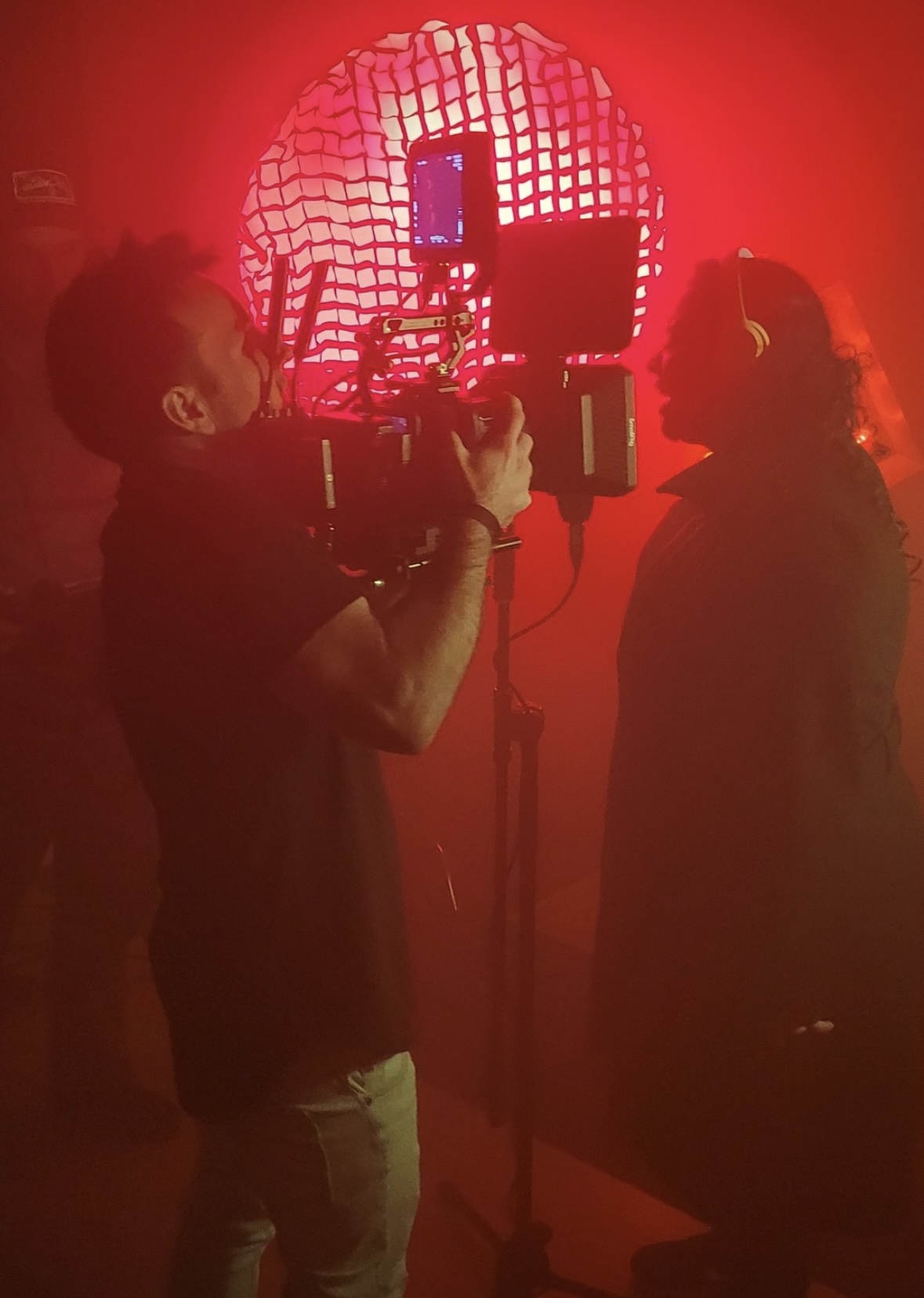

A polished brand video can say all the right things, but it rarely lands with the same weight as a real person describing a real result. That is why testimonial video production continues to matter. When done well, it gives organisations something more persuasive than scripted claims – it gives them evidence, expressed in a human voice, with enough structure to support a business goal.
For marketing teams, communications leads and agency partners, that matters because trust is rarely built by production value alone. It comes from credibility, relevance and timing. A testimonial video has to feel authentic, but it also needs to be useful. If it cannot support sales conversations, strengthen brand positioning, reassure stakeholders or help move a prospect from interest to action, it is only half doing its job.
Why testimonial videos work in business settings
Most organisations are asking their audience to make some kind of decision. Engage a service provider. Choose a training partner. Apply for a role. Support a project. Trust a department. In each case, people want proof that the promises are real.
That is where testimonial content performs well. It takes the broad message a business wants to communicate and grounds it in lived experience. A client explaining how a process improved efficiency, a student describing the impact of a program, or a project partner speaking to reliability under pressure – these stories carry weight because they are not coming from the brand itself.
That said, credibility is not just about putting someone on camera and hoping for the best. Viewers can tell when a story has been over-managed, under-prepared or disconnected from the actual audience. The strongest testimonial work sits in the middle. It is structured enough to stay on message, but natural enough to sound like a person rather than a brochure.
What testimonial video production should achieve
Good testimonial video production starts with a clear commercial purpose. Before cameras are booked, the more useful question is not what should the video look like, but what should it do.
Sometimes the goal is straightforward. A business development team may need short proof-point videos to support proposals or sales outreach. A university might need student stories that build confidence during enrolment periods. A government-related organisation may require stakeholder interviews that communicate outcomes with clarity and accountability. In each case, the testimonial format is the same in principle, but the execution should shift to match the context.
That affects everything from interview approach to edit style. A recruitment testimonial often benefits from warmth, workplace atmosphere and practical detail about team culture. A customer case study may need stronger structure around the challenge, the solution and the measurable outcome. A brand credibility piece might prioritise emotional connection first, with broader proof folded in through supporting visuals and edit decisions.
If the objective is vague, the result usually is too. The best productions avoid that by treating testimonials as strategic assets rather than filler content.
The difference between authentic and unprepared
There is a common misconception that authenticity means minimal planning. In practice, unprepared interviews often create the opposite effect. People ramble, key details get missed, and the final edit relies on generic statements that could apply to almost any business.
Authenticity comes from creating the right conditions for someone to speak comfortably and clearly. That means proper pre-interviews, thoughtful question design, and a filming environment that feels professional without feeling stiff. The interviewee should know the direction, but not be forced into memorised lines.
A good producer listens for specificity. General praise is pleasant, but it is not persuasive. “They were great to work with” is fine. “They helped us shorten rollout time across three sites and kept stakeholders aligned the whole way through” is stronger because it gives the audience something tangible to believe.
This is also where interviewer skill matters. The strongest answers often come from follow-up prompts rather than the original question. Getting to the useful detail takes judgement, empathy and enough commercial understanding to know what the audience will actually care about.
What makes a testimonial credible on screen
Credibility is built through a combination of content, performance and context. The words matter, but so do the visual cues around them.
If the interview subject is speaking about a manufacturing process, the surrounding footage should show the operational environment. If they are discussing service reliability, the visuals should reinforce professionalism, scale or delivery in action. This is why testimonial videos are rarely just interviews. Supporting footage gives the audience confidence that the story is grounded in reality.
Production quality plays a role here too, though not in the way some expect. Viewers do not need cinematic excess. They need clean audio, strong framing, natural performances and visuals that support meaning. Over-styled edits can make a testimonial feel less believable, particularly in corporate, institutional or government-facing settings where clarity matters more than flourish.
There is also a balance to strike with polish. If a video feels too rough, it can reflect poorly on the organisation. If it feels too controlled, it can lose trust. The sweet spot is professional execution that still preserves the personality of the speaker.
Planning testimonial video production properly
The practical work starts well before shoot day. The right participant selection is one of the biggest factors in whether the final video performs. Not every happy client, staff member or stakeholder will be a strong on-camera contributor. Some people have excellent stories but need more guidance to tell them well. Others are naturally clear and confident but may not represent the message the organisation most needs to communicate.
The selection process should consider both narrative value and communication ability. It helps to identify what proof the business needs, who can credibly provide it, and where that voice fits within the broader content plan.
From there, structure becomes critical. A testimonial does not need to sound scripted, but it does need a narrative arc. In most cases, that means establishing the context, clarifying the challenge or need, explaining the experience, and landing on an outcome that matters. Without that progression, even strong interview grabs can feel flat.
This is also where end-to-end thinking pays off. A single filming day can often produce far more than one hero edit. With the right planning, the same shoot may generate shorter cutdowns, social variations, recruitment assets, campaign support material or sector-specific edits. That kind of efficiency matters for larger organisations managing multiple channels and stakeholders.
Where testimonial videos are often underused
Many organisations treat testimonial videos as website support content and stop there. That is a missed opportunity.
A well-produced testimonial can support tender submissions, sales presentations, paid campaigns, internal communications, recruitment marketing and event content. It can be tailored for different stages of the decision journey, from broad awareness through to late-stage reassurance. One version may sit on a landing page, while another shorter cut is used in outbound activity or social placements.
This is why testimonial content should be considered as part of a communications system, not as an isolated deliverable. The more clearly it connects to business objectives, the more value it carries over time.
At THIRTY3SOUTH Films, that is typically the difference between a video that simply looks credible and one that actively helps an organisation communicate, convert or build trust where it counts.
Common mistakes that weaken the result
The most common problem is focusing on sentiment over substance. Positive emotion matters, but on its own it is not enough. Audiences need reasons to believe, not just reassurance that someone was pleased.
Another issue is trying to say too much in one piece. If a testimonial is expected to cover every service line, every benefit and every audience, it usually becomes vague. A tighter brief creates a clearer outcome.
There is also the question of fit. Some stories are better told as case studies with heavier context and data. Others work best as short, emotionally direct endorsements. It depends on the audience and what they need in order to act. Treating every testimonial as the same format leads to content that feels repetitive.
Finally, poor distribution planning can waste strong production. Even an excellent testimonial loses value if nobody has thought through where it will live, how it will be edited for different platforms, or what role it plays in the wider campaign.
The business case for doing it well
Testimonial videos are not valuable because they are fashionable. They are valuable because they compress trust. They help a prospective client, student, employee or stakeholder hear from someone closer to their own position and make a judgement faster.
That speed matters in crowded markets and complex buying environments. It matters when marketing teams need proof, when procurement teams need confidence, and when internal stakeholders want communications that feel both human and accountable.
The strongest testimonial video production is never just about capturing praise. It is about shaping proof into a format that people will believe and teams can actually use. When that happens, the video stops being a nice extra and starts becoming part of how the organisation earns trust at scale.
If you are considering testimonial content, start with the outcome you need and build backwards from there. The camera should be there to capture evidence, not manufacture it.