
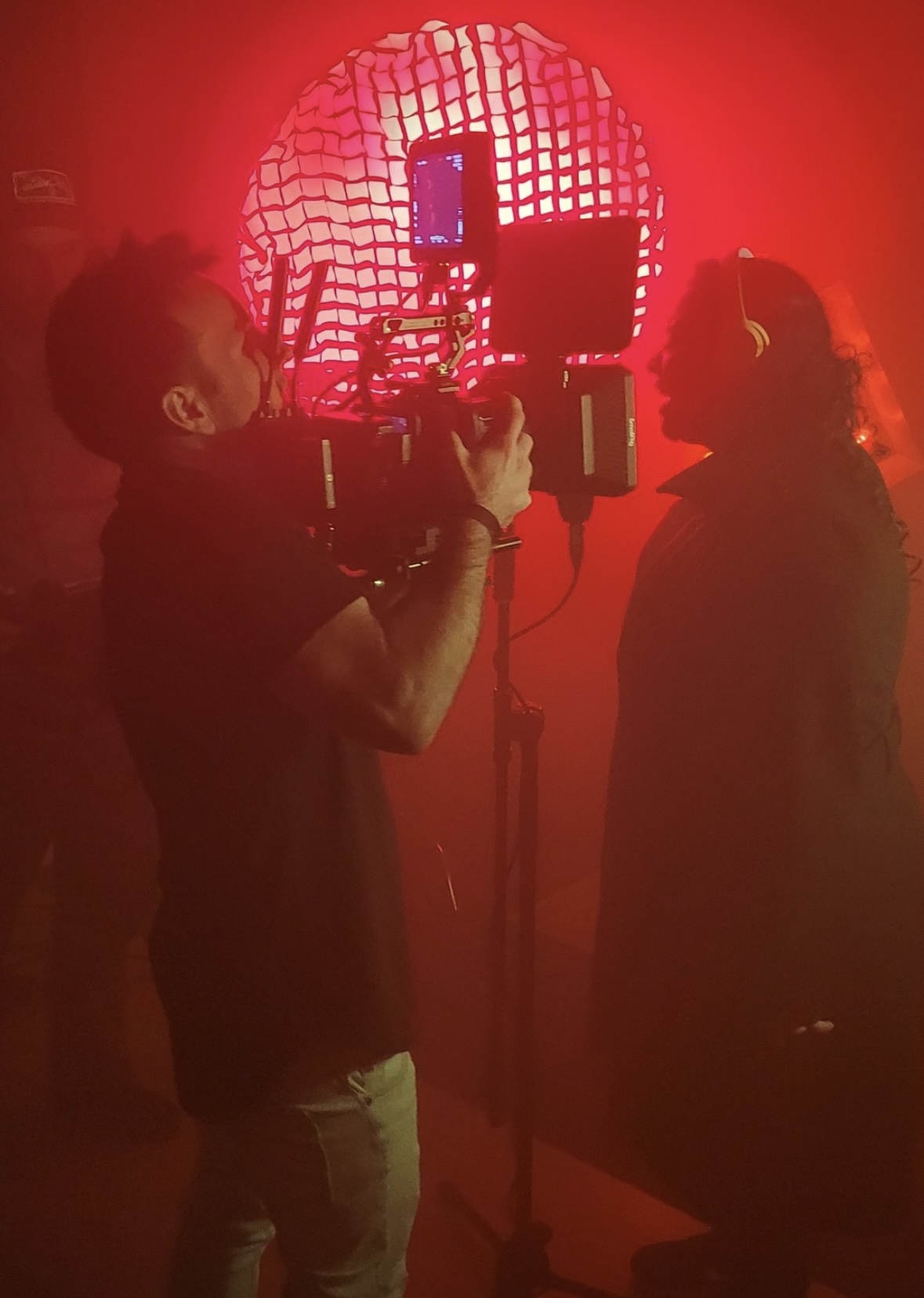

A polished video can look impressive and still do very little for the business. That is usually the problem. Too many organisations commission a brand film for business as a showpiece, when what they actually need is a working asset that helps people understand who they are, why they matter and what action to take next.
When a brand film is done properly, it gives shape to the parts of a business that are hard to explain in a brochure, a slide deck or a sales meeting. It can show capability, culture, credibility and intent in a way that feels immediate and human. For organisations selling complex services, operating across multiple stakeholder groups or trying to build trust in a competitive market, that matters.
What a brand film for business is really meant to do
A brand film is not just a shorter corporate video with better lighting. It is a strategic piece of content designed to express the identity of the organisation in a way that supports a business outcome. That could be market positioning, investor confidence, recruitment, stakeholder engagement or sales support.
The key difference is purpose. A business brand film should not exist simply to say, “here is our company”. It should help an audience understand what the organisation stands for, how it works and why it is worth paying attention to.
That does not always mean emotional storytelling in the traditional sense. In some sectors, especially government, industry, health, education or property, the brief is less about sentiment and more about clarity and trust. The film still needs to feel human, but it also needs to be useful. It should answer real questions, reduce friction and support a broader communication objective.
Why businesses invest in brand film
Most organisations are not struggling for information. They are struggling for attention, understanding and trust. A well-planned brand film can help with all three because it compresses a lot of meaning into a format people are more likely to watch than read.
For marketing teams, that can mean a stronger top-of-funnel asset that introduces the brand quickly and credibly. For communications teams, it can mean a cleaner way to align internal and external messaging. For HR and recruitment, it can make culture visible rather than abstract. For leadership teams, it can support tenders, presentations, stakeholder meetings and campaign rollouts with a single core piece of content.
This is where the commercial value becomes clearer. A brand film is rarely just one film. If the production is structured properly, it can become the centrepiece for cutdowns, social edits, stills, website headers, recruitment content, case studies and campaign assets. The film is the flagship, but the wider value often comes from the system built around it.
What makes a brand film effective, not just attractive
Visual quality matters. It affects perception, especially in sectors where professionalism and reliability are part of the offer. But appearance alone is not enough. A film becomes effective when it is built around the right message for the right audience.
That starts with a simple question: what needs to change after someone watches this? If the answer is vague, the film usually becomes vague as well. If the answer is specific, such as improving stakeholder confidence, helping procurement teams understand capability or attracting better-fit candidates, the creative decisions become much easier.
Good brand films also avoid trying to say everything. Many organisations want one video to cover history, services, mission, values, process, people and proof. The result is often a crowded narrative that says a lot but lands very little. A stronger approach is to decide what the audience needs to remember, then build the story around that.
Credibility is another non-negotiable. That means showing the real environment, the real people and the real standard of work wherever possible. Audiences are quick to spot generic language, stock-style visuals and overcooked messaging. A brand film should feel considered and polished, but it also needs to feel true.
The common mistake: treating the film as the strategy
One of the biggest missteps businesses make is assuming the film itself is the strategy. It is not. The film is an expression of strategy.
Without clear positioning, audience thinking and distribution planning, even a strong video can underperform. It may look good on a homepage, but fail to support sales conversations. It may get praise internally, but never become part of recruitment, onboarding or campaign execution. It may be approved by everyone and remembered by no-one.
This is why the planning stage matters so much. Before scripting starts, there should be alignment on audience, message, channel and desired response. A CEO might want a visionary piece. Marketing might need a conversion asset. HR might want culture-led messaging. All of those can coexist, but not without decisions.
A commercially useful production partner helps resolve that tension early. The goal is not to make the brief bigger. It is to make the outcome sharper.
How to approach a brand film for business
The strongest projects usually begin with business context rather than creative references. That means looking at where the film sits in the organisation, who it needs to reach and what role it should play once delivered.
A practical starting point is to define the primary audience and the primary use case. Is the film for prospective clients who know very little about the organisation? Is it for existing stakeholders who need greater confidence in scale and capability? Is it for prospective employees deciding whether the culture is credible? Each of those audiences needs a different emphasis.
From there, messaging can be shaped around a small number of strategic themes. These often include expertise, trust, impact, innovation, culture or reliability, but the right mix depends on the business. A manufacturing company, for example, may need to foreground process discipline and operational capability. A university may need to balance reputation with student experience and research impact. A government-related organisation may need to prioritise transparency, public value and clarity.
Then comes execution. Script, filming approach, interview structure, locations, motion design and edit style all need to support the same intent. This is where experienced production teams add real value. They are not just making the piece look polished. They are making sure every production decision helps the message land.
When one brand film is enough, and when it is not
Sometimes a single hero film is the right move. If the business needs a central brand asset for a website relaunch, capability presentation or campaign anchor, one well-crafted film can do a lot of work.
But often, one film is not enough on its own. Different channels and audiences require different versions. A full-length brand film may work on a website, at an event or in a proposal context, while shorter edits are better suited to LinkedIn, paid media, recruitment activity or internal communications.
This is where scope matters. Organisations get better value when they plan for a content suite rather than a one-off deliverable. The filming day is often the most resource-intensive part of production. Capturing enough material to create multiple assets from the same shoot is usually more efficient than returning later to fill gaps.
For that reason, the question should not just be, “do we need a brand film?” It should also be, “what content ecosystem should this film support?”
Measuring whether it worked
Success depends on the job the film was hired to do. Views on their own are not a reliable measure, especially in B2B and organisational settings where the right audience matters more than a large one.
A stronger measure is whether the film improved the quality of a business process. Did it help sales teams explain the offer faster? Did it increase time on key web pages? Did recruitment teams attract better candidates? Did stakeholders leave meetings with greater clarity and confidence? Did internal teams start using it because it genuinely helped them communicate?
Some outcomes are easier to quantify than others, but all of them can be anticipated during planning. If success is never defined, the film will always be judged on taste. That is not where business decisions should sit.
Why the human side still matters
Commercial messaging does not need to be cold to be effective. In fact, the opposite is often true. People trust organisations when they can see the humans behind the operation, the thinking behind the work and the intent behind the message.
That is why the best brand films balance structure with personality. They are clear, purposeful and professionally made, but they still feel lived-in. They show how a business works, what it values and why that should matter to another human being on the other side of the screen.
For organisations with something real to say, a brand film is still one of the strongest ways to say it. Not because video is fashionable, but because clarity, trust and story still move decisions. If the film is built with a business job in mind, it can keep working long after the shoot wraps.