

A corporate video budget can range from a few thousand dollars to well into six figures. That is not evasive pricing – it reflects the fact that asking what does corporate video cost is a little like asking what a commercial fit-out costs. The answer depends on the job it needs to do, the people it needs to reach, and the level of operational complexity required to deliver it properly.
For Australian organisations, a clear budget starts with clarity about outcomes. A simple staff testimonial filmed in one Sydney office is a different production from a national recruitment campaign, a safety video series filmed on an active industrial site, or a brand film that needs to carry a major property launch. Each has a different risk profile, production footprint and useful lifespan.
Typical corporate video costs in Australia
As a practical guide, professionally produced corporate video projects commonly sit within these ranges:
- $5,000 to $12,000: A focused, single-location video with a lean crew, such as an interview-led company profile, customer testimonial, leadership message or short social asset.
- $12,000 to $30,000: A more considered production involving pre-production, scripting support, multiple interviewees, a half or full day of filming, b-roll and polished editing. This is a common range for recruitment, capability and internal communications videos.
- $30,000 to $75,000: A larger brand, campaign or communications project with several locations, a broader crew, professional talent, animation, aerial filming, detailed art direction or a suite of cutdowns.
- $75,000 and above: Multi-day campaigns, complex government or institutional communications, large-scale safety and training programs, national rollouts, extensive animation, or productions with significant logistics and approvals.
These figures are planning ranges rather than a menu. A $15,000 video can be excellent when the format, scope and audience are right. Equally, spending $50,000 on a hero film that has no distribution plan or clear message is not strategic investment.
What shapes corporate video production cost?
The final cost is driven less by the duration of the finished video than by the work required around it. A two-minute film can involve days of planning, filming and post-production. Often, the shorter and more concise the message, the more discipline is required to make every second count.
Strategy and pre-production
Pre-production is where a video becomes a business asset rather than simply a record of a day on site. This phase may include stakeholder workshops, audience definition, message development, creative treatment, scripting, storyboarding, location planning, call sheets and risk management.
For a straightforward internal update, this may be relatively light. For a video addressing community concerns, attracting specialist candidates or explaining a technical process, the planning needs to be more rigorous. The cost here can feel less visible than a camera crew, but it protects the entire production from vague messaging, late changes and missed approvals.
Filming days, locations and crew
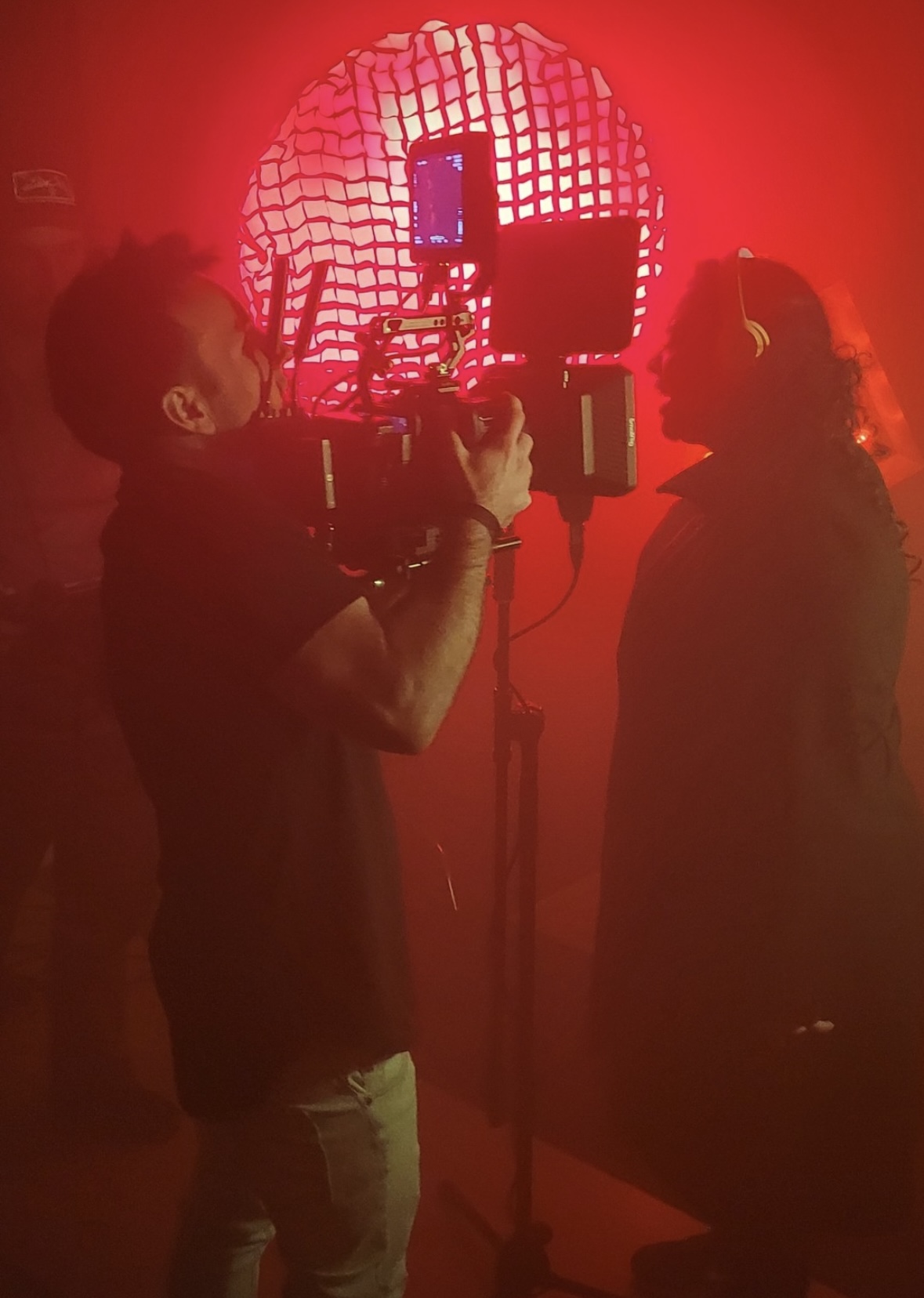
A lean shoot might involve a producer-director and cinematographer working from one location. A more substantial production may require a director, producer, camera team, sound recordist, lighting technician, hair and make-up, drone operator or production assistant.
Locations matter too. An office with controlled access is generally efficient. A mine site, manufacturing facility, school, hospital or construction project may involve inductions, site escorts, personal protective equipment, permits, safety documentation and carefully timed access. These are necessary costs, not unnecessary overheads. They make it possible to produce safely without disrupting operations.
Travel and accommodation can also become meaningful line items for regional, interstate or multi-site filming. For organisations operating across NSW and nationally, grouping locations or capturing a library of content during one visit can improve the value of each filming day.
People on camera
Using real employees and leaders often makes corporate content more credible. It also requires good preparation. Interviews take time, and staff may need coaching to speak naturally and accurately on camera.
Professional actors, presenters and voice artists add cost but can be the right choice for scripted training, compliance, product demonstrations or campaigns that require consistent performance. Usage rights must be considered early, particularly if content will run in paid advertising, across multiple territories or for several years.
Post-production, animation and versions
Editing is where interviews, visuals, music, graphics and narrative structure become a coherent message. The number of edit days depends on the quantity of footage, complexity of the story, feedback process and deliverables required.
A single master video is rarely the whole requirement. Many organisations need landscape, square and vertical versions; short social cutdowns; captioned files; internal and external edits; or versions tailored to different audiences. This is often a smart use of budget because it extends the value of a shoot, but it must be scoped from the start.
Animation can range from simple branded titles and lower thirds to fully illustrated explainers or 3D technical visualisation. It is particularly useful when a process cannot be filmed, a product is still being developed, or sensitive information needs to be communicated clearly without showing a live environment.
The cheapest quote is not always the lowest cost
Comparing quotes line by line is sensible, but the scope behind each figure matters more than the headline number. One supplier may include strategy, a producer, professional sound, a detailed edit process and delivery in multiple formats. Another may price only a camera operator and a basic edit.
Neither approach is automatically wrong. The question is whether it matches the communication task. Poor sound, rushed interviews, an unclear script or insufficient stakeholder management can make a low-cost production expensive once reshoots, revisions or missed opportunities are factored in.
For organisations with multiple decision-makers, project management is especially valuable. A production partner should be able to manage approvals, schedules, site requirements and feedback without requiring the internal team to chase every detail. That reliability has commercial value, particularly when video supports a launch date, board communication, recruitment drive or public-facing announcement.
How to set a budget that works harder
Start by defining the decision or action the video should support. Do you need prospective employees to apply? Customers to understand a complex service? Staff to follow a safety procedure? Stakeholders to feel confident about a project? A clear purpose guides the creative approach and prevents a generic, all-purpose video that serves nobody particularly well.
Then consider the content system, not only the hero asset. If you are bringing a crew to a regional site, could the same shoot capture leadership interviews, recruitment stills, safety visuals and short-form social content? Planning for these assets upfront usually costs less than organising separate productions later.
It is also worth deciding what cannot be compromised. For some projects, that may be audio quality and a calm, professional interview environment. For others, it may be site safety, aerial footage, animation or access to real staff and customers. Spend where credibility and clarity are won or lost, then simplify elsewhere.
A useful brief includes the audience, intended channels, key message, required launch date, locations, stakeholders and desired deliverables. It does not need to prescribe every creative detail. In fact, leaving room for a production partner to recommend the most effective format often leads to a more efficient solution.
A better question than “How much for a video?”
The better question is: what will this video need to achieve, and what is the sensible level of production required to achieve it? That shifts the conversation from buying minutes of footage to commissioning a communication tool with a defined role.
At THIRTY3SOUTH Films, the starting point is the business outcome, then the production is built around it. Sometimes that means a compact, interview-led piece with fast turnaround. Sometimes it means a considered campaign with multiple assets, locations and audiences. The right investment is the one that gives your organisation content people can understand, trust and act on long after filming wraps.
When you are ready to budget, bring the objective to the first conversation alongside the practical constraints. A good production plan will make clear where the money goes, what trade-offs are available and how each element helps the finished work do its job.