

A polished brand film can lift perception, but it rarely answers the question buyers actually ask before they commit – has this worked for an organisation like ours? That is where case study video production earns its keep. Done well, it turns a successful client outcome into evidence your market can see, hear and believe.
For B2B organisations, that matters because trust is rarely built on claims alone. It comes from proof, context and the confidence that a supplier understands operational reality. A strong case study video shows the problem, the thinking, the implementation and the result in a way that feels credible rather than promotional. It gives your sales team a practical asset, your marketing team a stronger story and your stakeholders a clearer reason to act.
What case study video production is really for
At its best, a case study video is not a testimonial with better lighting. It is a business communication asset built to demonstrate capability through a real-world example. The audience is usually trying to reduce risk. They want to know whether you can deliver, whether you understand their environment and whether the outcome is likely to translate to their own organisation.
That changes how the video should be planned. Instead of starting with visuals, start with the decision you want to influence. In some sectors, the goal is lead generation. In others, it is procurement confidence, stakeholder buy-in or support for a tender process. The format stays similar, but the emphasis shifts.
A property group might need a case study that proves delivery capability and project coordination. A health organisation may need one that handles privacy, compliance and human sensitivity with care. A mining or industrial business may need to show safety, scale and operational complexity without losing the human story. The strongest productions recognise those differences early.
Why case study video production works in B2B markets
B2B buying is rarely instant. There are more people in the room, more scrutiny and usually more at stake. A case study video helps because it compresses a lot of information into a format people can absorb quickly. It can show a site, a team, a process and a result in under three minutes, while still carrying emotional weight.
That emotional weight matters more than many organisations admit. Decision-makers may justify a purchase with numbers, but confidence often comes from recognising a familiar challenge and seeing a believable result. A client speaking plainly about what changed carries more impact than a branded line on a website.
There is also a practical advantage. Good case study videos are flexible assets. One production can support a website, sales presentations, campaign creative, social cutdowns, recruitment, conference screens and internal communications. If the production is scoped properly, it does more than fill one page on a site. It becomes part of a wider content system.
What separates a strong case study from a weak one
The difference usually comes down to substance. Weak case studies stay vague. They tell you the client was happy, the project was a success and the team was great to work with. None of that is especially persuasive because it lacks detail.
A strong case study is specific enough to feel true. It identifies the business problem, explains what was required, shows how the solution was delivered and gives the audience a result they can understand. That result might be a measurable performance improvement, a delivery milestone, a change in behaviour, stronger engagement or a clearer operational outcome. Not every project has a neat percentage uplift, and forcing one can make the story feel thin. Credibility is more valuable than exaggeration.
Interview quality is another dividing line. The best on-camera contributors are not always the most senior people. Sometimes the project lead, site manager, educator or end user gives the strongest insight because they can speak with detail and authenticity. Senior stakeholders still matter, but the story often becomes more convincing when multiple perspectives support it.
Building the story before the cameras roll
Most of the value in case study video production is decided before filming starts. Pre-production is where the strategic work happens – defining audience, clarifying objectives, shaping the narrative and identifying the proof points that matter.
This is also the stage where many organisations either set the project up properly or drift into a generic corporate video. If the brief simply says, “we need a case study”, the result can become broad and unfocused. It is better to ask sharper questions. Who needs to believe this story? What concern are they trying to resolve? Which part of the result will matter most to them? What objections are likely to come up in a sales conversation, recruitment push or stakeholder review?
Once those answers are clear, scripting becomes more useful. In documentary-style case studies, this does not mean scripting every line. It means structuring the narrative so the interviews and supporting footage work toward a clear commercial purpose. The story needs enough room to feel natural, but not so much freedom that it loses direction.
Production choices that affect credibility
How a case study looks and sounds affects how seriously it is taken. Production quality signals competence, but polish alone is not enough. The visual treatment should fit the subject and the audience.
For example, a government-facing case study may need a measured, factual tone with clean interview framing and restrained editing. A fast-growth technology company may want something more energetic. An industrial project may benefit from location footage that shows machinery, process and environment at work. Drone coverage can add useful context for scale, but only when it contributes to understanding. If it is there simply to look impressive, it can weaken the message.
Sound is often underestimated. Buyers will forgive a less cinematic shot before they forgive unclear audio or an interview that feels awkward. People trust people they can understand. Comfortable contributors, thoughtful direction and clean sound do more for persuasion than flashy transitions ever will.
The case study video production process
A reliable process keeps the project commercially grounded. That usually starts with discovery and planning, where the story angle, interview subjects, location needs and success criteria are mapped out. Then comes creative development – shaping questions, writing a loose script structure and deciding what supporting visuals are needed to illustrate the story properly.
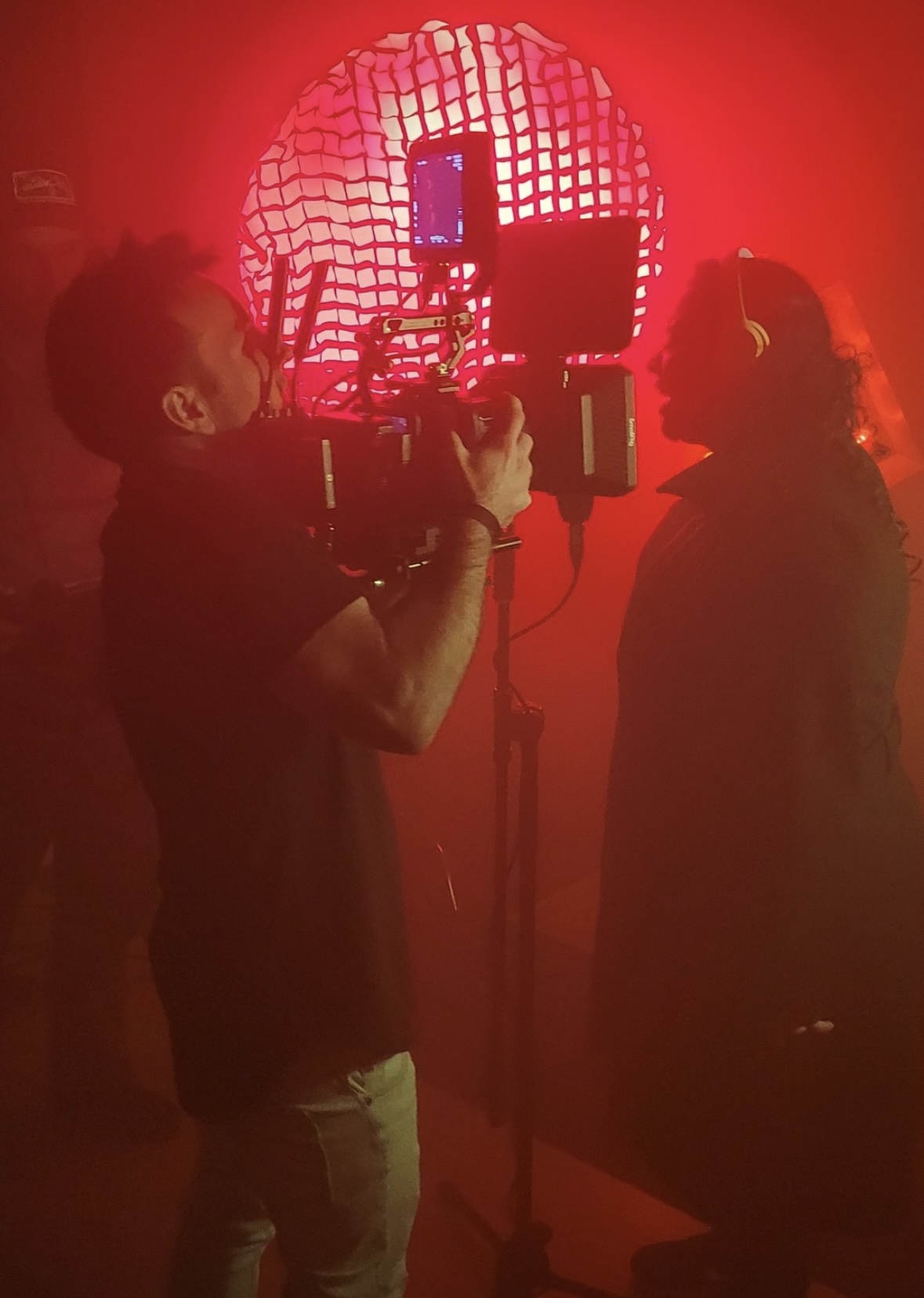
Filming should be efficient and well-managed, especially in active workplaces where time, safety and access are real constraints. Post-production is where the narrative is tightened, graphics are added where useful and different versions are prepared for different channels. In many cases, the best value comes from planning these cutdowns and alternate edits from the start, rather than treating them as an afterthought.
For larger organisations, approvals can be the longest part of the timeline. Legal, brand, communications and client-side stakeholders may all need to sign off. Building that reality into the production plan helps avoid a rushed final edit and keeps the process manageable.
Common mistakes organisations make
One of the most common mistakes is making the brand the hero instead of the client outcome. Audiences do not connect with self-congratulation. They connect with a real problem being solved well.
Another is trying to cram too much into one piece. If a single case study is expected to explain the company, the service model, the sector expertise, the campaign, the culture and the result, the message gets diluted. A case study should stay focused on one story with one clear job.
There is also the question of measurement. Not every video can be judged the same way. A case study used by a sales team in late-stage conversations may never generate huge view counts, but it can still be highly valuable if it improves conversion quality or shortens the path to decision. Success should be tied to the role the asset plays, not vanity metrics.
Where case study videos fit in your content mix
Case studies tend to work hardest when they are part of a broader communications approach. A full-length hero edit can sit on a website or in a proposal environment, while shorter versions can support campaigns, paid media, sales outreach or internal presentations. Stills, quote grabs and transcript excerpts can extend the value even further.
This is where an end-to-end production partner makes a real difference. When the team planning the video understands the wider communications objective, the final asset is more likely to support marketing, sales and stakeholder engagement together rather than living in one channel and fading out.
For organisations with multiple audiences, it may also be worth producing a family of case studies over time rather than searching for one video that does everything. A library of proof across sectors, services or outcomes gives buyers a better chance of finding the example that feels relevant to them.
THIRTY3SOUTH approaches this kind of work as a strategic production exercise, not just a filming task. That distinction matters when the goal is not only to make something polished, but to create an asset that helps move decisions.
A good case study video does not need to shout. It needs to show enough truth, enough relevance and enough result that the right audience can see themselves in the story. When that happens, the video stops being content for content’s sake and starts doing useful work long after the shoot wraps.