
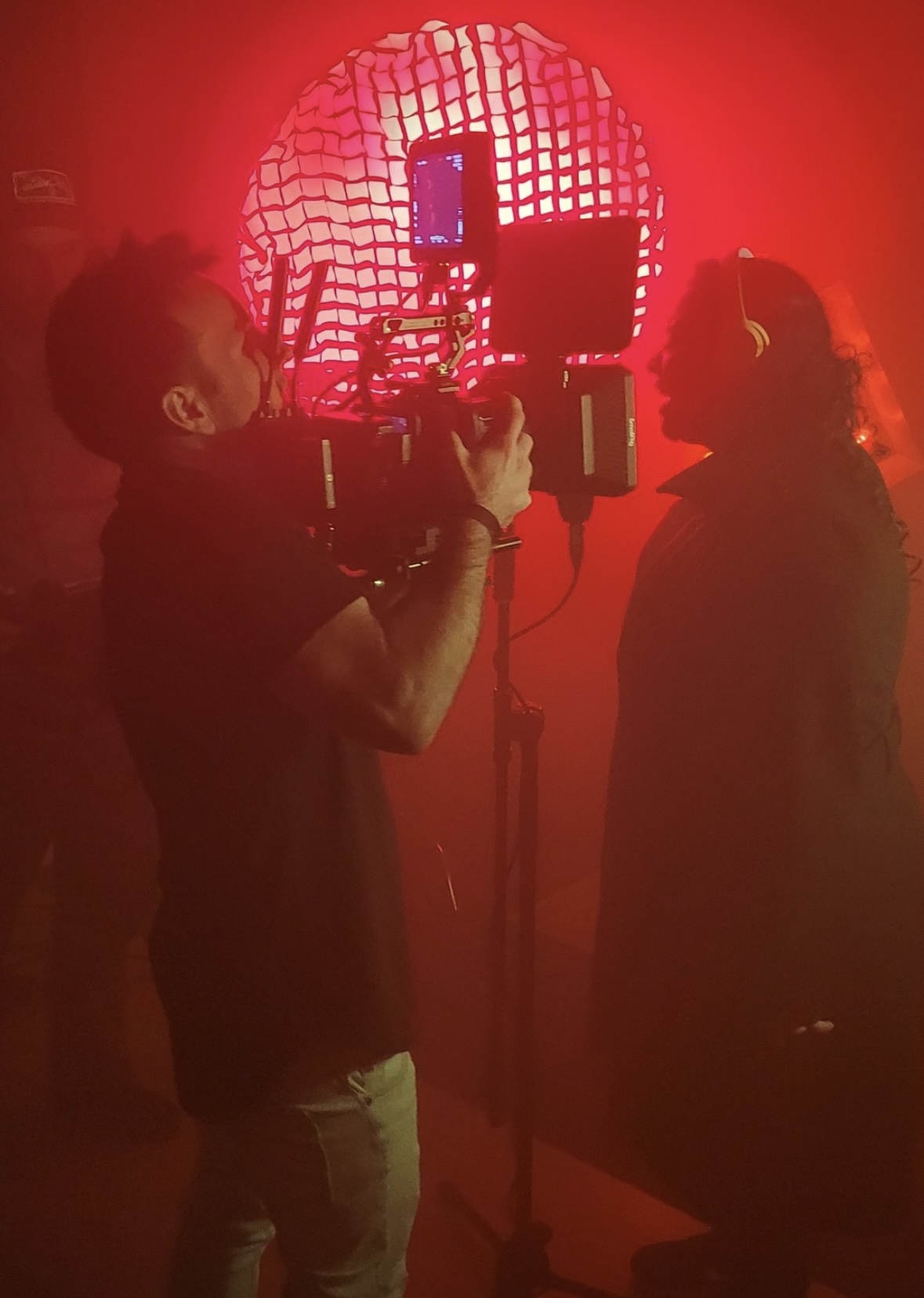
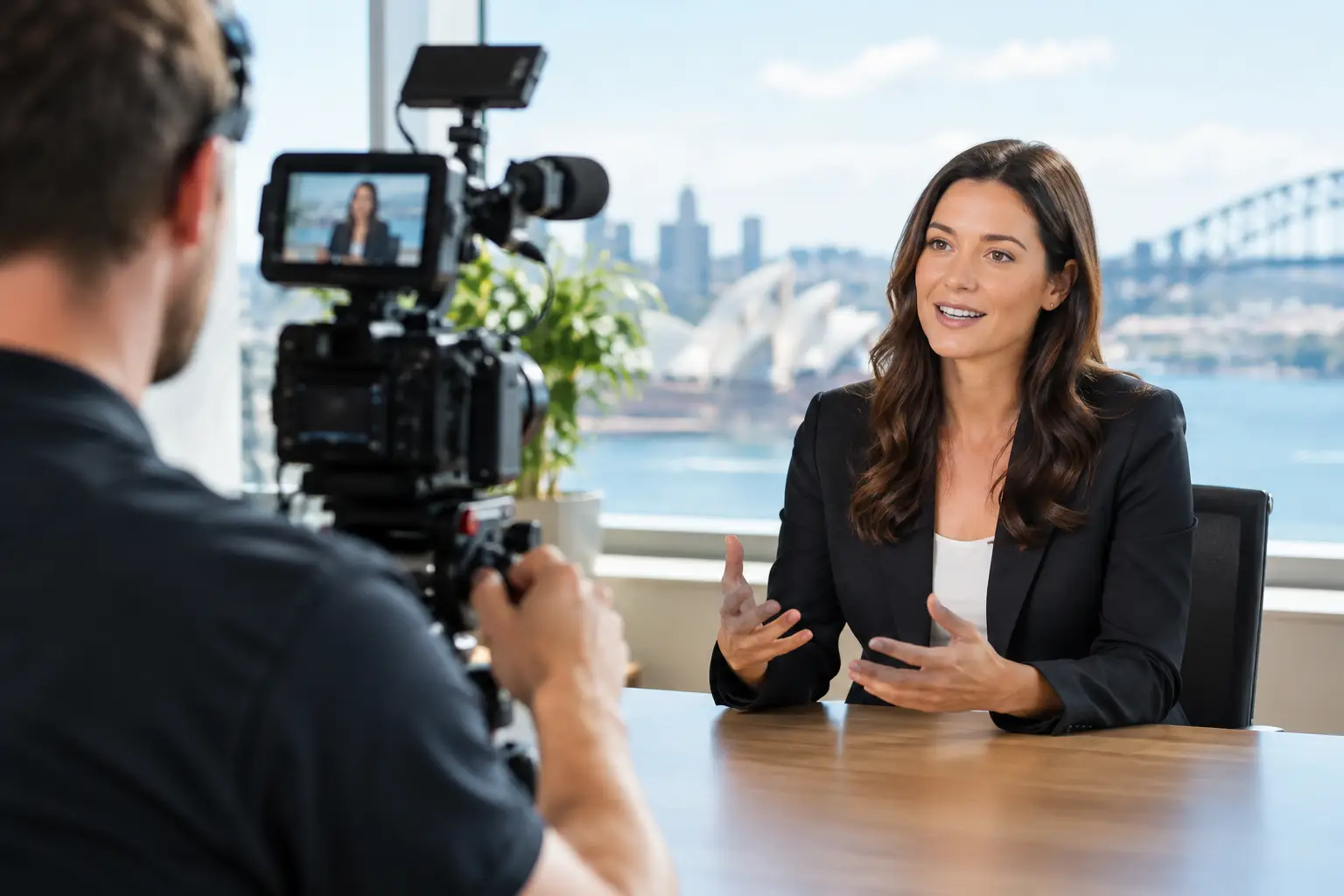
A $7,000 quote and a $45,000 quote can both be reasonable responses to the same brief. The difference is usually not a camera or a logo on the quote. Corporate video costs reflect the time, people, planning and production decisions required to make a message credible, clear and useful to its intended audience.
For an Australian organisation, video is rarely just a creative exercise. It may need to recruit skilled people, explain a complex service, support a safety program, build stakeholder confidence or give a campaign a human point of view. The right budget starts with the job the content needs to do, then matches the production approach to that job.
What corporate video costs actually cover
A professional production budget pays for much more than the day a crew arrives on site. It covers the work that reduces risk before filming, captures the right material efficiently, and turns that material into assets people can understand and act on.
The major cost areas are pre-production, production and post-production. Each can expand or contract depending on the brief, but cutting one without considering the others often creates problems later.
Pre-production sets the project up to work
This stage may include discovery, video strategy, creative direction, scripting, interview planning, shot lists, schedules, location checks, permits, talent coordination and safety planning. For government, industrial, education and health clients, pre-production can also involve stakeholder approvals, site inductions, privacy considerations and carefully managed messaging.
A straightforward staff interview filmed in an office needs relatively little planning. A brand film involving multiple sites, senior leaders, employees, customers and operational footage needs considerably more. The latter may look effortless on screen, but that result depends on decisions made well before the shoot.
Production costs are shaped by scale and conditions
Crew size, shoot days, locations and equipment are the most visible parts of a video budget. A lean team can achieve a great deal when the story is focused and the environment is controlled. More complex work may require a director, producer, cinematographer, sound recordist, lighting specialist, drone operator, stylist or production assistant.
Location conditions matter as much as headcount. Filming in a quiet boardroom is different from filming in a live manufacturing facility, mine site, school, construction project or busy public location. Access windows, noise, weather, travel, safety protocols and the need not to interrupt operations all affect the time required.
Equipment should support the story rather than inflate the quote. Good sound, thoughtful lighting and the right lenses often matter more to perceived quality than an oversized camera package. Drone footage, teleprompters, specialist rigs and studio builds can add real value where they solve a communication need, not simply because they look impressive.
Post-production turns footage into a business asset
Editing is where the narrative takes shape. It includes reviewing footage, building an edit, selecting music, colour grading, sound mixing, adding graphics, managing feedback and preparing final files for the required channels.
The number of deliverables has a significant effect on cost. One three-minute film is not the same as one hero film plus cut-downs for LinkedIn, paid social, internal communications, recruitment, digital signage and presentations. A well-planned shoot can create all of these efficiently, but they still need editing, versioning and quality control.
Animation can also sit at very different price points. Clean text overlays and branded motion graphics are efficient additions to many projects. Custom 2D or 3D animation, data visualisation or product simulations require specialist design and animation time. The question is whether animation makes the information easier to understand or more persuasive for the audience.
Typical corporate video cost ranges in Australia
Every project should be scoped individually, but broad ranges can help teams begin a realistic conversation. A simple, tightly managed interview or event highlights video may sit around $5,000 to $15,000. This generally suits a single location, a small crew, limited filming time and a defined final edit.
A more substantial corporate video, such as a recruitment film, customer story, capability video or internal communications piece, often falls between $15,000 and $40,000. This level commonly allows for stronger creative development, a planned filming day or days, professional lighting and sound, multiple interviews, b-roll coverage and a considered post-production process.
Larger campaigns, brand films, multi-location productions and content programs can range from $40,000 to $100,000 or more. These projects may include extensive strategy, casting, detailed scripting, several shoot days, regional travel, advanced animation, complex approvals and a suite of channel-specific assets.
These are not fixed packages. A $20,000 project can be highly effective if it is sharply focused, while a $70,000 production can underperform if the message is vague or the content has no clear deployment plan. The value is in the fit between investment, audience and outcome.
The decisions that move a video budget
The clearest way to manage corporate video costs is to be specific about what must be achieved. A supplier can then recommend where to invest and where to simplify without weakening the result.
A few decisions make the biggest difference. The first is scope: how many films, formats and versions are needed? The second is access: can key people, locations and equipment be available when required? The third is creative complexity: are you documenting real work, or building a controlled campaign with actors, sets and detailed art direction?
Timing also matters. A realistic production schedule gives teams time to secure approvals, prepare interviewees and solve issues before they become expensive. Urgent projects are possible, but compressed schedules can require additional crew, faster post-production or less room for refinement.
Feedback is another overlooked factor. Corporate projects often involve marketing, leadership, legal, operational teams and external partners. A clear approval process, nominated decision-maker and consolidated feedback rounds protect both the budget and the final message. Endless, unstructured revisions are rarely a creative issue. They are usually a governance issue.
Where to invest and where to simplify
There is no universal rule that every video needs a large crew, multiple locations or cinematic drone footage. There is, however, a strong case for investing in the elements that protect clarity and credibility.
For leadership communications, invest in message development, interview preparation, sound and an environment that makes the speaker look confident. For recruitment content, spend time finding genuine employees with stories worth hearing and capture enough workplace footage to show the culture rather than merely claim it. For training or safety content, prioritise accuracy, visual clarity and versions that suit the environments where people will actually watch.
Savings are often available through sensible production design. Group interviews and b-roll into the same filming window. Build a content plan that captures hero footage once and uses it across a campaign. Use existing locations where they genuinely support the story. Decide early which channels need bespoke edits and which can use a shared master.
The false economy is reducing planning, sound quality or editing time on a video that carries a high-stakes message. If employees cannot hear it on a mobile, stakeholders do not understand it, or the footage does not represent the organisation well, the lower upfront price becomes irrelevant.
How to request a useful quote
A good brief does not need to be a finished script. It should explain the audience, objective, core message, desired action, delivery channels, timing, locations and any operational constraints. If you have a budget range, sharing it helps a production partner propose the strongest approach within it.
It is also worth asking what is included: strategy and scripting, shoot days, crew roles, travel, equipment, music licensing, graphics, revision rounds, final formats and file management. A clear proposal should make assumptions visible, so there are fewer surprises once production begins.
THIRTY3SOUTH approaches budgets this way because video needs to earn its place in the broader communication plan. The aim is not to make every project bigger. It is to make the available investment work harder through strong planning, honest storytelling and assets designed for real organisational use.
The most productive question is not, “What does a corporate video cost?” It is, “What needs to be true after our audience watches it?” When that answer is clear, the right production scope becomes far easier to build.