

A corporate video can be beautifully filmed, professionally edited and completely ineffective. It happens when the brief starts with a format – “we need a brand video” – rather than the decision, behaviour or message the video needs to influence. The strongest corporate videography packages are not simply bundles of shoot days and edit hours. They are planned content systems built to do a specific job for an organisation.
For a marketing team, that job may be generating confidence before a sales conversation. For HR, it could be helping the right candidates picture themselves in the business. For a government or education organisation, it may be explaining a complex change clearly and consistently. The production scope should follow that purpose.
What corporate videography packages should include
A useful package creates enough structure to make budgeting and approvals straightforward, without forcing every organisation into the same creative solution. A recruitment campaign for a regional manufacturer has different demands from an investor update, a safety induction or a property launch.
At a minimum, the scope should address strategy, pre-production, filming, post-production and delivery. The detail within each stage matters more than a headline promise of “full service”.
Strategy before the shoot
The most valuable work often happens before a camera is unpacked. A package should allow for a proper discussion about audience, objective, key messages, distribution channels and measures of success. This gives the production team a basis for recommending the right format, runtime and visual approach.
For example, a two-minute case study may suit a website and sales presentation, while 30-second cutdowns may perform better in a paid social campaign. If the same message needs to work for staff, customers and stakeholders, the solution may be a set of related assets rather than one film trying to speak to everyone.
This stage should also clarify practical realities: who needs to approve the content, whether filming takes place on an operational site, what access or safety requirements apply, and whether employees, customers or community members need release forms. These considerations are not administration around the creative work. They shape the production plan and protect the project timeline.
Pre-production with a clear plan
A corporate package should include a defined creative direction, production schedule and filming plan. Depending on the project, that may also involve scripting, interview questions, location scouting, talent coordination, storyboards or shot lists.
The right level of pre-production depends on risk and complexity. A short leadership message filmed in an office may only need a concise run sheet and talking points. A campaign involving multiple sites, a large crew, animation and several featured staff requires considerably more planning.
Clarity here prevents familiar problems on shoot day: key people are unavailable, locations have not been prepared, brand messages are still being debated, or the team captures impressive footage that does not support the final story. Good planning creates room for genuine human moments because everyone understands what needs to be achieved.
Production scaled to the message
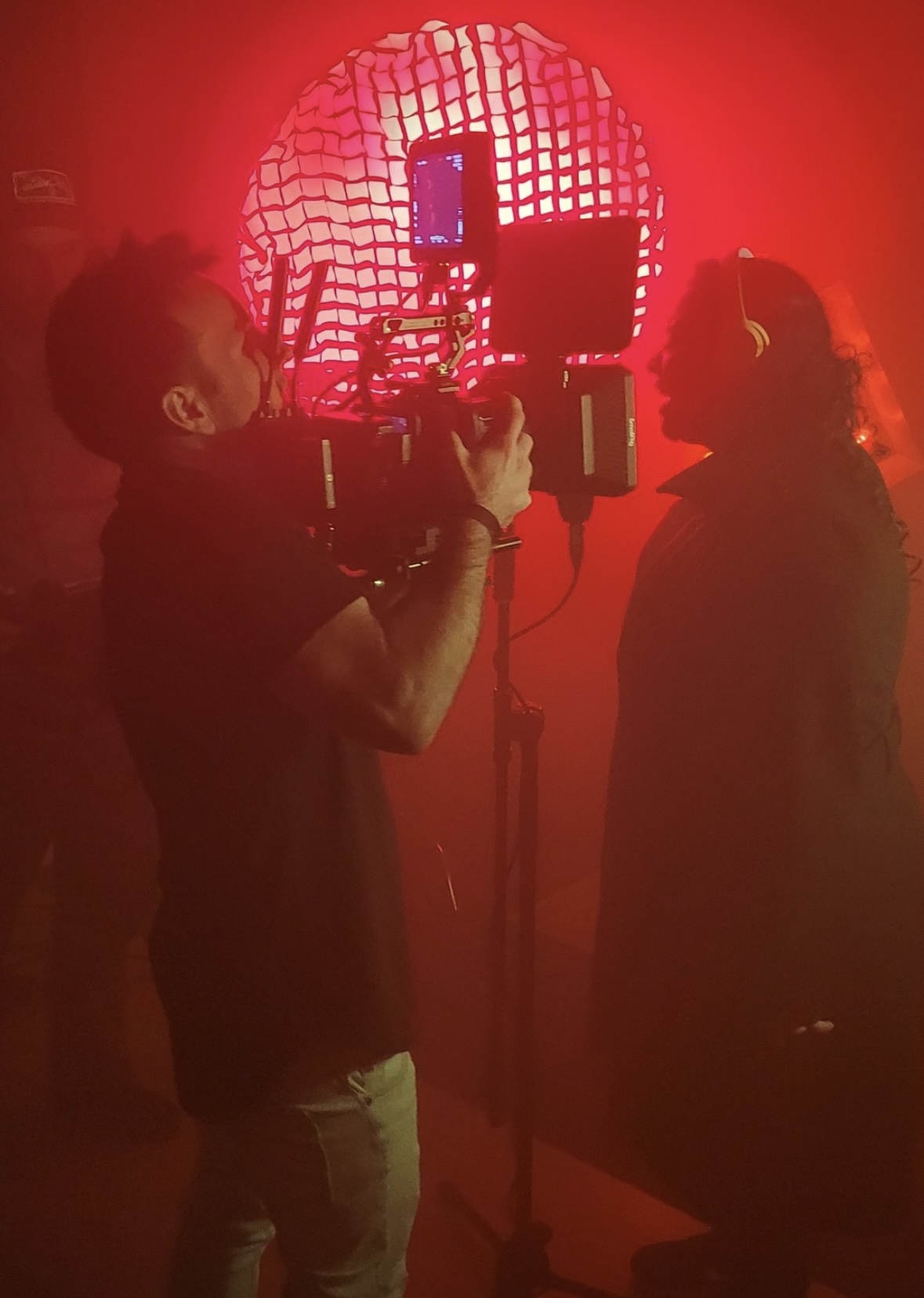
Camera quality matters, but a professional corporate production is about more than the camera. It is the combination of lighting, sound, direction, crew experience and the ability to work respectfully in a live business environment.
A package may include a producer-director, cinematographer, sound recordist, lighting, drone operator or photographer, depending on the brief. Not every project needs every role. A smaller crew can be the practical choice when filming in a working office, school or clinical environment. Larger productions may be warranted where access is limited, multiple setups are required or the visual standard needs to support a major campaign.
The key question is not, “How many people can we fit into the package?” It is, “What crew and equipment will produce the content safely, efficiently and to the required standard?” That distinction keeps the budget connected to the outcome.
Editing designed for use, not just viewing
Post-production is where the message takes its final shape. A well-scoped package covers editing, colour grading, sound mix, licensed music, graphics, captions and a clear review process. It should also specify how many revisions are included and who consolidates feedback on the client side.
Captions should be considered standard for most business video. They improve accessibility and make content easier to follow in silent autoplay environments. Brand graphics, motion design and animation can also add value, particularly when a message involves data, processes or concepts that cannot be filmed. But they need to earn their place. Animation should clarify a point, not decorate an otherwise unclear script.
Choosing corporate videography packages by objective
The most effective way to compare packages is to begin with the business use case. A lower-cost single-video package may be ideal for a timely internal update. It is less suitable when a campaign requires multiple audience segments, versions and ongoing asset needs.
Brand and campaign content
Brand films and campaign videos need a strong central idea, credible storytelling and enough visual material to support distribution beyond one hero edit. Consider whether the scope includes vertical and square versions, short cutdowns, stills, behind-the-scenes content or a second edit tailored to a different audience.
A hero video without supporting assets can limit campaign reach. Conversely, producing too many variations without a distribution plan can waste budget. The right package reflects the channels your team will actually use.
Recruitment and culture video
Recruitment content works when it gives potential applicants an honest sense of the people, work and environment behind the job advertisement. Real employees are usually more persuasive than generic claims, but they need thoughtful direction. The aim is not to turn staff into actors. It is to help them speak naturally about what matters.
For organisations hiring across multiple roles or locations, a package might be structured around a core culture film plus role-specific cutdowns. This approach improves consistency while allowing each message to remain relevant.
Training, safety and internal communications
Training and safety video needs accuracy, clarity and a delivery format that suits the workplace. It may require scripts reviewed by subject matter experts, controlled filming in operational settings, screen captures, demonstrations, graphics or translations.
These projects benefit from planning for updates. Procedures, systems and branding can change. If a training video will have a long working life, it is worth discussing modular edits or isolated graphic sections that can be replaced later without rebuilding the entire film.
Case studies and stakeholder communications
Customer stories, community updates and leadership communications depend on trust. The production should allow time for proper interviews and a respectful approach to participants, particularly where the topic is personal, technical or sensitive.
In these cases, the most polished result is not always the most heavily produced one. A formal stakeholder announcement may need a controlled studio-style setup; a customer story may be stronger when it is grounded in a real workplace. The package should suit the credibility the audience expects.
What changes the cost of a package
Video production pricing can vary significantly because projects vary significantly. The main drivers are usually the number of filming days, locations, crew requirements, travel, complexity of pre-production, animation, talent, post-production versions and approval process.
A package with one shoot day can still be substantial if it involves a detailed script, multiple interviews, high-end lighting and several final deliverables. Equally, a multi-day production can be efficient when filming is carefully scheduled and content is captured for a full year of communications activity.
Be cautious of scopes that only describe an end product without explaining the process. “One corporate video” leaves too much unanswered. Ask what is included in planning, how feedback is managed, which aspect ratios and file types will be supplied, whether captions are included, and who owns or can access the final media assets.
Build for reuse from the beginning
The most cost-effective corporate videography packages make a shoot work harder. During planning, identify what else can be captured without diluting the main production: staff portraits, workplace photography, interview excerpts, vertical social content, drone footage or generic b-roll for future presentations.
This does not mean filming everything imaginable. It means taking a campaign-minded view of each production day. A skilled production partner can identify the extra assets that are genuinely useful and schedule them around the primary brief without disrupting operations.
For organisations producing content regularly, consistency matters too. A repeatable visual style, approved interview approach and organised media library reduce briefing time and help every new asset feel connected to the brand.
THIRTY3SOUTH Films approaches video as a working business asset: one that needs to communicate clearly, represent people well and remain useful after launch day. The best package is therefore not the biggest one or the cheapest one. It is the one that gives your team the right content, in the right formats, with a production process you can rely on.
Before approving a scope, ask what action the audience should take after watching. That single question turns a video package from a line item into a considered investment in communication.