

A campaign can have a strong media plan, a well-built landing page and a clear offer, yet still fail to move people because the central message does not land. Marketing campaign videos give an organisation the chance to make that message felt as well as understood. Done properly, they turn a business objective into a clear, credible piece of communication that can work across channels.
For Australian organisations, this is rarely about making one hero film and hoping it carries the whole campaign. It is about developing a purposeful suite of assets that earns attention, explains the value proposition and gives people a reason to respond. The creative needs to be memorable, but it also needs to do a job.
Start With the Action You Need
The most useful question in campaign planning is not, “What video should we make?” It is, “What do we need the audience to think, feel or do next?”
A property developer may need prospective buyers to see a precinct as a real place rather than a future promise. A university may need school leavers to picture themselves belonging on campus. A manufacturer might need procurement teams to understand a technical advantage that is difficult to communicate in a brochure. A government department may be trying to shift awareness, participation or public behaviour.
Each objective calls for a different creative approach. If the goal is awareness, the video needs a fast, distinctive opening and a simple message that survives a short viewing window. If the goal is consideration, it may need more detail, proof and human stories. If the goal is conversion, the call to action, offer and pathway need to be unmistakable.
This sounds straightforward, but it prevents a common production mistake: trying to say everything in one asset. When a video has five audiences, seven messages and no clear hierarchy, it becomes harder to watch and easier to ignore. A campaign needs a lead message. The supporting information can sit in follow-up assets, web content or sales conversations.
Build Marketing Campaign Videos as a System
A campaign video should not be treated as an isolated deliverable. It is one part of a communication system, designed around where audiences will see it and what they need at that moment.
The hero film may sit on a campaign landing page, open an event or provide the emotional centrepiece of a paid social rollout. Shorter edits can introduce one key idea at a time through LinkedIn, Instagram, YouTube or digital display placements. Customer stories, staff interviews, animated explainers and cutdowns can extend the campaign without repeating the same message word for word.
This approach makes better use of the production investment. A well-planned shoot can capture interviews, b-roll, stills, vertical content and campaign-specific moments in one coordinated process. Rather than commissioning one polished video and then scrambling for more content two weeks later, the organisation starts with a content architecture.
Match Format to Channel and Attention
A 90-second film that performs well on a website may not be right for a mobile-first social placement. Equally, a six-second teaser cannot explain a complex service, policy change or high-consideration purchase.
Channel should shape the edit, not merely the file export. Social assets need a strong opening visual or line of copy before people scroll past. Sound-off viewing requires captions or visual storytelling that remains clear without audio. Website content has more room to establish credibility and explain the offer. Event content can be more immersive because the audience has made a deliberate choice to be there.
There is no universal ideal duration. The right length depends on the audience, the platform and the message. What matters is that every second earns its place.
Keep the Core Idea Consistent
Campaign consistency does not mean every asset must look identical. It means the audience should recognise the same underlying promise, visual world and point of view wherever they encounter the campaign.
That consistency comes from clear creative direction before filming begins. The team needs to agree on the campaign thought, audience insight, tone, key messages, visual style and proof points. These decisions guide scripting, casting, locations, interviews, graphics, music and editing.
For B2B audiences, proof often matters as much as polish. Real people, real workplaces, visible processes and specific outcomes can make a message more believable than a generic brand statement. The right balance depends on the sector. A consumer-facing campaign may lead with pace and emotion, while a government, education or industrial campaign may need more context and reassurance.
Make the Message Human, Not Generic
Organisations often have good reasons for doing what they do, but those reasons can disappear under corporate language. Campaign video is an opportunity to make the business case human.
That does not require forced sentiment or stock-style optimism. It means finding the people affected by the issue, product or service and letting the message connect to a recognisable reality. A recruitment campaign can show what meaningful work looks like. A safety campaign can demonstrate the consequence of one decision. A health campaign can make an abstract service feel approachable through a practitioner or patient perspective.
The strongest creative work often begins with a simple tension. What is frustrating, uncertain, overlooked or difficult for the audience? What changes when the organisation delivers on its promise? This gives the campaign a reason to exist beyond a list of features.
Authenticity also has practical limits. Employees and customers need to be comfortable on camera. Sensitive organisations may have privacy, compliance or approval requirements. Some stories are better represented through animation, voiceover, carefully directed scenarios or a combination of formats. The solution should serve the message and the operational reality, not a production trend.
Plan Production Around What the Campaign Needs
A campaign can lose momentum when video production is brought in after media is booked, creative is approved and key stakeholders have competing expectations. Early involvement allows the production process to solve problems before they become expensive.
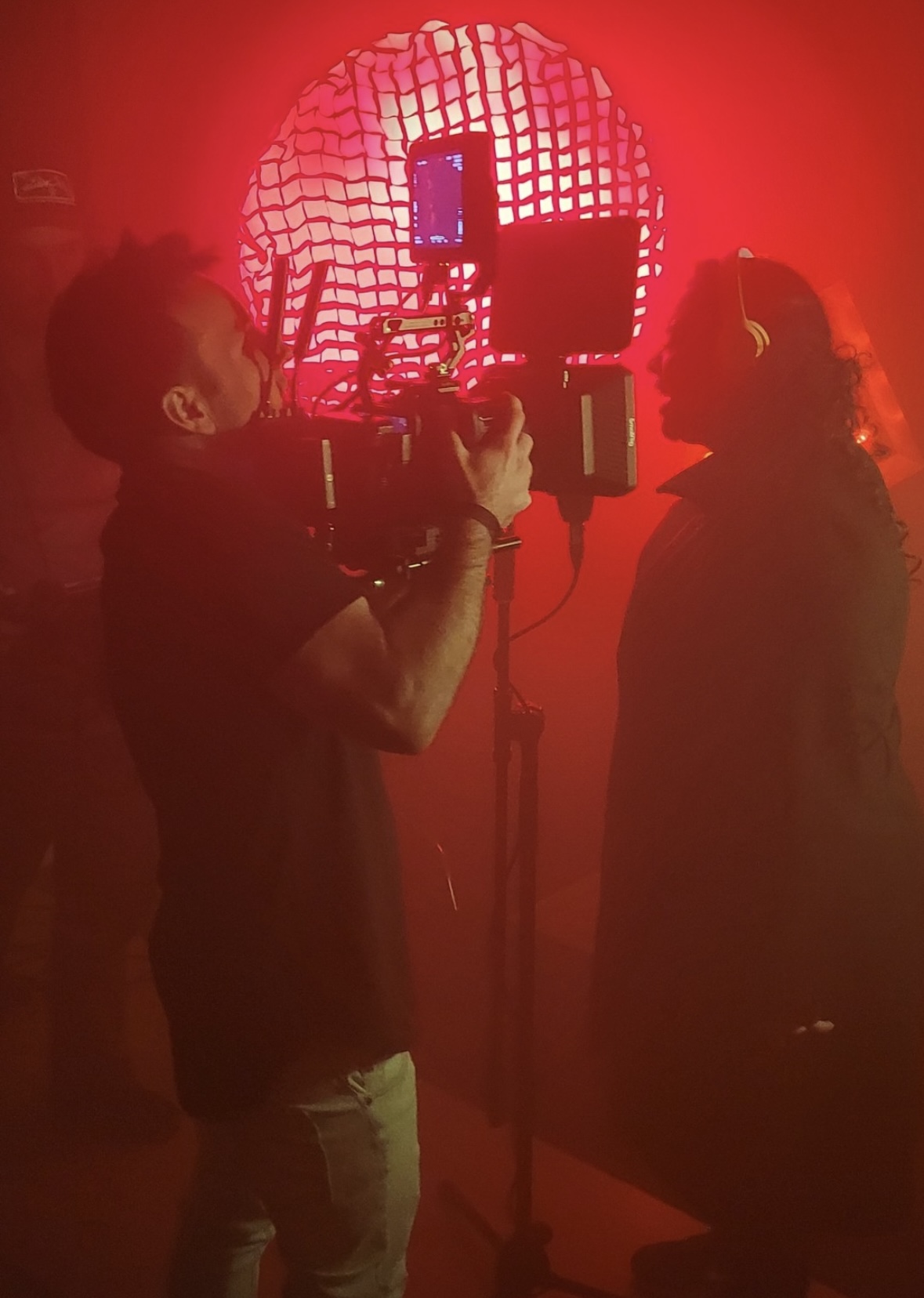
During pre-production, the priority is to turn strategy into a workable plan. This includes the script or interview framework, shot list, locations, talent, schedule, approvals, brand requirements and deliverables. For organisations with multiple stakeholders, this stage is where decision-making needs to be disciplined. One agreed feedback process is faster and produces a clearer result than collecting conflicting comments at the final edit.
Production should also account for the full asset suite. If vertical social content is required, it should be framed and captured with that use in mind. If the campaign needs still photography, plan time for it. If the video will be used in paid media, the opening frames, captions and end cards should be considered before the shoot, not added as an afterthought.
For regional, industrial or operational locations, logistics matter. Site access, inductions, weather, PPE, machinery schedules and staff availability all affect what can be filmed. An experienced production partner plans around these variables without losing sight of the story.
Measure More Than Views
Views are useful, but they are not a campaign outcome on their own. A high view count can be valuable for awareness, yet it tells you little about whether people understood the message or took the next step.
The measures should reflect the campaign objective. For awareness, that may include reach, completed views, recall or lift in branded search. For consideration, look at watch time, landing page engagement, enquiries and content interactions. For recruitment, it could be quality applications and completed applications. For internal communication, comprehension, attendance or behaviour change may be more meaningful than any public-facing metric.
Video performance also provides creative intelligence. If a short asset holds attention but the longer film loses viewers before the central point, the message structure may need work. If one customer story drives stronger engagement than another, it may reveal which proof point matters most to the audience. Campaigns improve when media and creative teams share these findings rather than treating distribution as separate from production.
Give the Campaign Room to Work
Good campaign video is not decoration for a marketing plan. It is a practical tool for creating attention, building confidence and prompting action. Its value comes from the quality of the thinking behind it as much as the quality of the final image.
Before commissioning the next asset, define the single change the campaign needs to create. Then give the story, the production plan and the distribution strategy enough room to support that outcome. That is how video becomes more than content – it becomes useful communication people remember.