
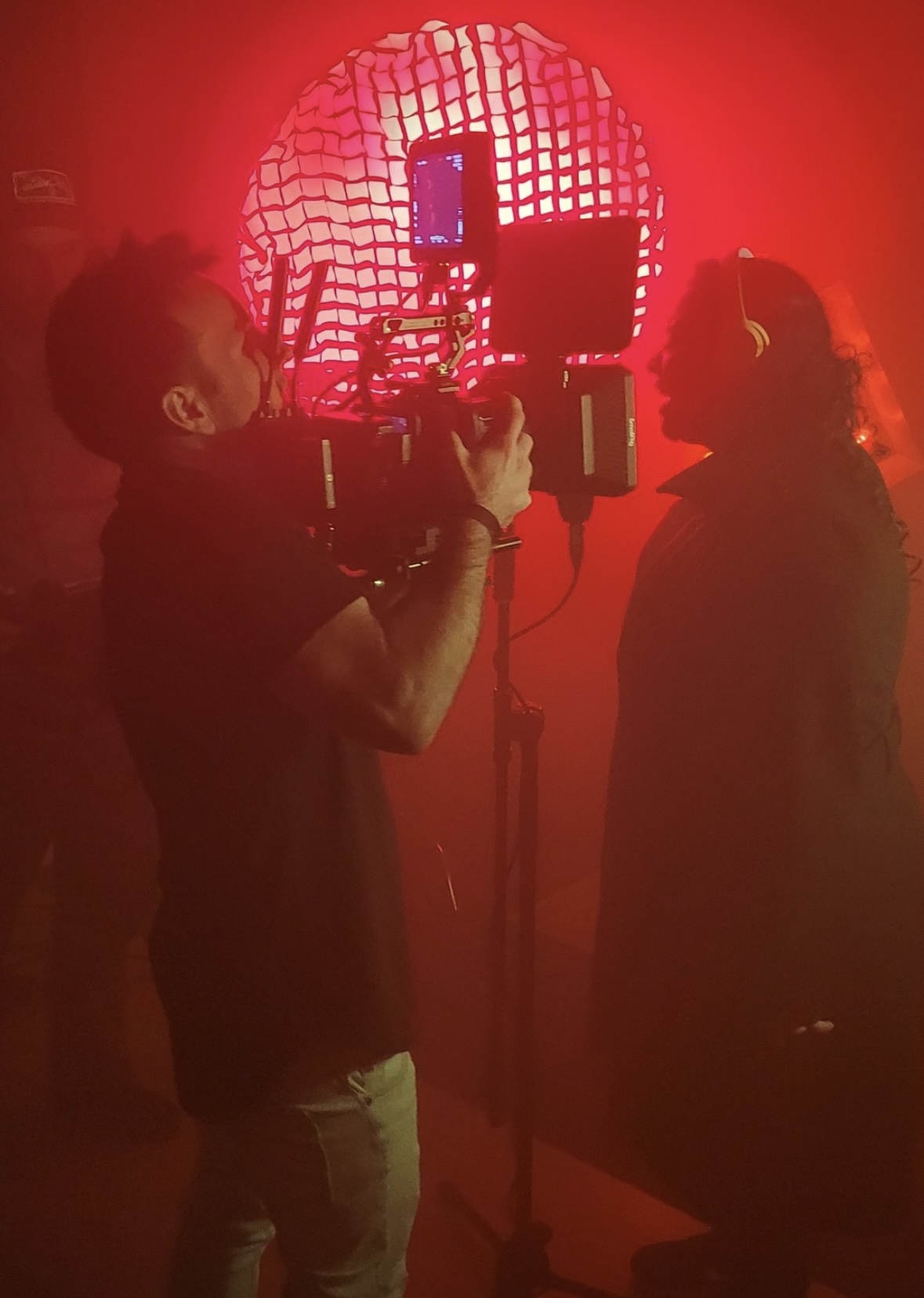

A good client testimonial is not a customer reading a flattering quote to camera. It is proof that a real organisation had a problem, made a decision and achieved a meaningful result. Knowing how to film client testimonial videos with that level of substance gives marketing, sales and communications teams an asset people can believe.
The challenge is that the most persuasive moments are usually not scripted. A client may describe a difficult operational issue in a sentence, explain why they trusted your team, or put a result into practical terms that no brand claim could match. The production process needs enough structure to protect the message, while leaving enough room for that human response to emerge.
Start with the business outcome, not the shoot
Before choosing a location, writing questions or booking a crew, establish what the testimonial needs to do. A video for a B2B sales page has a different job from one supporting a tender response, recruitment campaign, internal change programme or stakeholder presentation.
Be specific about the intended audience and the decision you want to influence. For example, a property developer may need to reassure future tenants that a project was delivered safely and professionally. A manufacturing business may need evidence of reduced downtime. An education provider may need to show that a new programme improved access or engagement.
That objective determines the story to pursue. It also informs the final deliverables. One strong interview may support a two-minute case study, shorter social edits, presentation clips and a quote-led cutdown. Planning this early makes the filming day more efficient and gives the organisation more usable content from the same investment.
Choose the right person to tell the story
The best spokesperson is not always the most senior person in the business. A senior executive can be valuable when the message concerns strategy, long-term partnership or organisational confidence. But an operational lead, project manager, frontline user or subject matter expert may speak more clearly about the day-to-day impact.
Look for someone who was close enough to the challenge to describe it honestly, and comfortable enough to speak in their own words. They do not need media training or a polished on-camera persona. They need genuine experience and permission to share it.
Approvals should be addressed before production begins. In larger organisations, particularly government, health, education and regulated sectors, the testimonial may require review from legal, communications, procurement or leadership teams. Agreeing the broad themes, approved claims, names, titles and filming locations in advance avoids a situation where a strong interview cannot be used.
How to film client testimonial interviews with credibility
A credible testimonial has a clear narrative. The viewer should understand what was happening before your organisation became involved, why a change was needed, what the working relationship was like and what happened afterwards.
Avoid feeding the speaker a script. Scripted testimonials can sound overly polished and raise the viewer’s guard. Instead, prepare a question framework that guides the conversation. Begin with their role and organisation, then move through the challenge, decision process, experience and outcomes.
Useful questions include:
- What was happening in the business before this project began?
- What made the issue important to solve at that point?
- Why did you choose this approach or partner?
- What was the process like for your team?
- What changed once the work was delivered?
- What would you say to another organisation facing a similar challenge?
Ask for specifics whenever the answer becomes broad. If someone says the project was a success, ask what success looked like in practice. Did it save time, improve safety, reduce cost, increase participation, strengthen confidence or make a complex process easier to manage? Numbers are useful when approved and defensible, but a clear operational example can be just as persuasive.
The interviewer matters as much as the camera operator. A calm, informed interviewer can create a conversation rather than an interrogation. Give the speaker time to think. Let them finish a thought. If an answer is strong but contains industry jargon, ask them to explain it in plain language rather than correcting them mid-sentence.
Make the environment support the message
Where the interview is filmed affects how it is received. A generic boardroom may be appropriate for a leadership message, but it will not always show the reality of the work. When possible, film in an environment that gives the viewer context: a site, facility, classroom, workshop, project location or workplace relevant to the story.
The setting should add credibility without distracting from the speaker. Check for uncontrolled noise, reflective surfaces, busy foot traffic, safety requirements, confidential information on screens and brand elements that are out of date. In industrial or public locations, allow extra time for inductions, access restrictions and changes to the operating environment.
Lighting and sound are not cosmetic details. Poor audio will undermine even the strongest message faster than an imperfect image. Use professional microphones, control background noise where possible and monitor sound throughout the interview. Lighting should feel natural and polished, with enough separation between the spokesperson and the background to keep the frame clear.
A two-camera interview setup can be useful when the speaker is nervous or likely to pause, as it gives the editor more flexibility. It is not essential for every project. For a straightforward, tightly managed interview, one well-composed camera with strong supporting footage may be the better use of budget.
Film the proof around the words
Interview footage explains the story. Supporting footage proves it.
Plan b-roll around the claims you expect to hear. If the client discusses improved operations, show the team, process or environment in action. If they refer to collaboration, capture relevant meetings, site activity or interactions. If the work relates to a completed facility or product, film it in use rather than relying only on static beauty shots.
This footage should be purposeful. Aerial vision, cinematic movement and polished detail shots can add production value, but they should serve the message. If drone footage helps establish the scale of a regional project, it has a role. If it only looks impressive, it may not earn its place in the final edit.
Build a shot list, but remain responsive on the day. Operations may change, weather may affect exterior filming, or an unexpected interaction may show the value of the work better than the original plan. Experienced production teams balance preparation with the judgement to recognise those moments.
Edit for the viewer’s attention and the approval process
The strongest testimonial edits are usually concise. A viewer does not need every answer from a 30-minute interview. They need the most relevant parts of the story, arranged in a way that makes sense quickly.
Open with a clear outcome, a recognisable challenge or a strong statement from the client. Then provide enough context for the result to feel credible. Avoid turning the edit into a corporate history or a list of service features. The client is the hero of the story; your organisation is the capable partner that helped them move forward.
Keep claims accurate. If a result is measured, make sure the wording, graphics and context match what can be substantiated. This is particularly important for government-related work, health, safety, financial outcomes and any sector where audiences may scrutinise the detail.
For approvals, establish a review pathway before the first cut is delivered. Nominate one decision-maker where possible, set expectations around feedback rounds and distinguish between factual corrections and subjective preferences. This protects the integrity of the story and helps prevent an edit being diluted by competing internal views.
Captions are also worth planning from the outset. Many people first encounter testimonial content without sound, particularly on social platforms or in busy workplaces. Captions improve accessibility and make the message easier to absorb, while a clean branded graphic system can provide useful context without overwhelming the speaker.
Treat the testimonial as a campaign asset
A client testimonial should not be published once and then left on a single webpage. The value comes from matching versions of the story to the places where audiences make decisions.
A longer case study may work well on a website or in a proposal. Short outcome-led clips can support LinkedIn activity, sales outreach or paid campaigns. A quote segment may give a presentation or internal update more authority. The right mix depends on your audience, the complexity of the offer and the length of the buying cycle.
This is where end-to-end planning pays off. When the interview, b-roll, edit structure and delivery formats are considered together, the finished content is more than a polished video. It becomes evidence your organisation can use repeatedly, across channels and at the moments trust matters most.
The most effective testimonial does not feel like advertising. It feels like one capable professional explaining to another why a decision was worth making.