
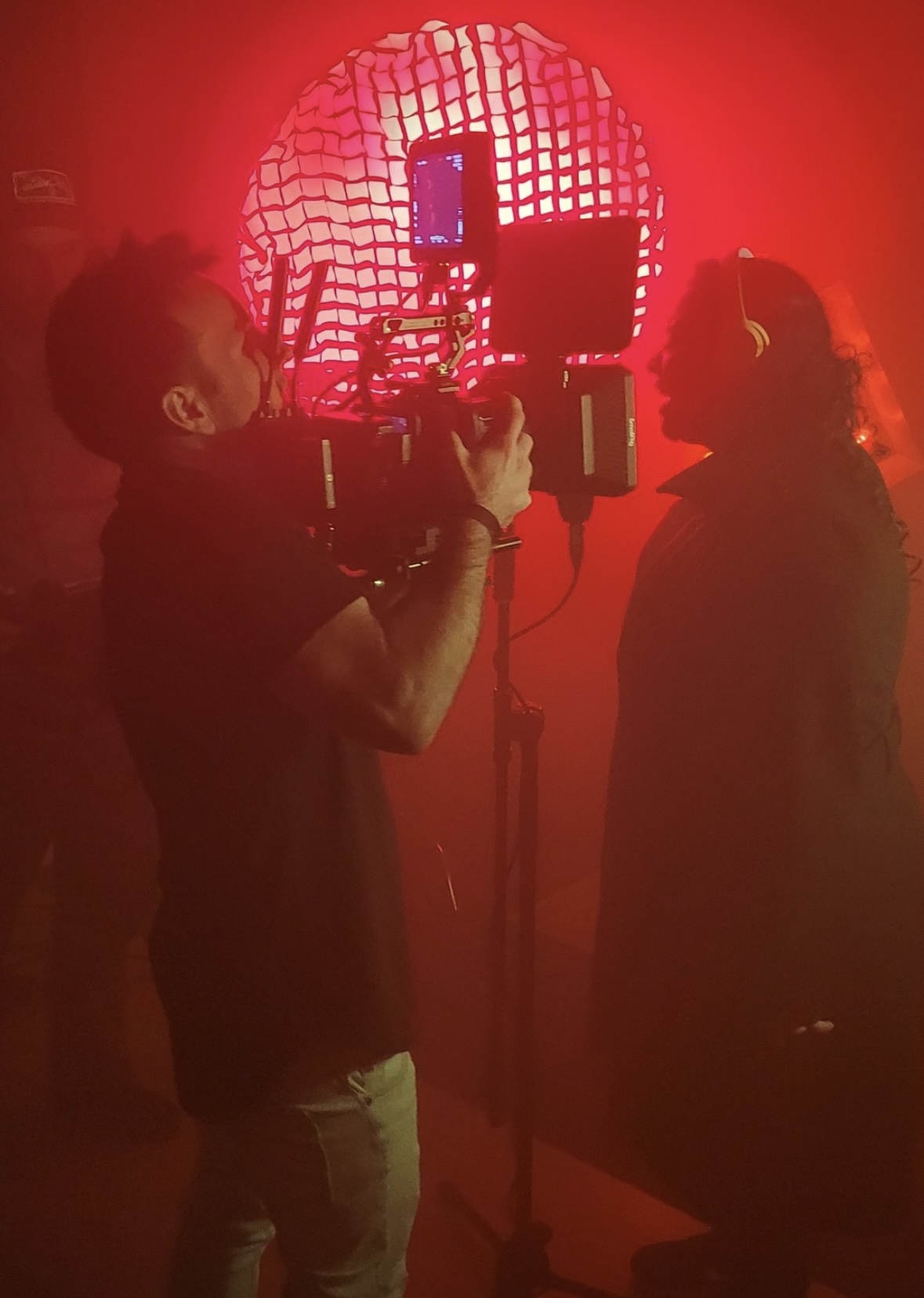

A CEO email announcing a major operational change can be read, skimmed or missed entirely. A well-planned internal communications video gives people something harder to misinterpret: a face, a voice, real examples and a clear explanation of what changes for them.
That does not mean every internal message needs a film crew. Video earns its place when the message has consequences, when context matters, or when people need to see a process, a leader or a workplace reality to understand it properly. For organisations managing change across sites, shifts and functions, it can turn a one-way announcement into communication people can actually absorb.
Start with the job the video needs to do
The most useful internal videos are not defined by format. They are defined by the action or understanding they need to create. Before discussing scripts, locations or animation, identify the business outcome.
Is the objective to explain a new safety procedure? Build confidence in a restructure? Help managers deliver a consistent message? Improve completion of mandatory training? Encourage staff to adopt a new system? These are different jobs, and they call for different content.
A leadership message about organisational direction may need honesty, reassurance and a sense of shared purpose. A safety video may need to show the correct behaviour step by step, including the point at which a poor decision creates risk. A new technology rollout may need a concise overview followed by short how-to modules that employees can return to when they are at their desk.
Trying to cover all of these outcomes in one video usually creates a long, vague piece that satisfies no one. The better approach is to define a primary audience, one central message and a specific next step. Supporting content can then answer the questions that arise after the main announcement.
When internal communications video is the right choice
Video is particularly effective when information is difficult to communicate through text alone. That includes messages where tone, demonstration or human credibility matter as much as the words themselves.
For geographically dispersed teams, a video can also give every employee access to the same source message. This is valuable in mining, manufacturing, health, education and government environments, where staff may work across multiple sites, rosters or service areas. It reduces the risk that a key message is reshaped as it passes through layers of management.
There are trade-offs. Video is not the best channel for detailed policy language, changing dates or information employees need to search quickly. Those details should sit in supporting communications such as an intranet page, manager toolkit, FAQ or written procedure. The video should create clarity and momentum, not become a filing cabinet.
For sensitive issues, video can be powerful but must be handled with care. Employees will notice when a message has been overly scripted or when the speaker avoids the questions everyone is asking. In those cases, a shorter, direct message supported by opportunities for discussion is often more credible than a polished production that says very little.
Build the message before the production
A production process cannot rescue an unclear brief. The planning stage should bring communications, HR, operations and leadership together early enough to agree on what employees need to know, feel and do.
A useful message framework begins with the context: what is happening and why now? It then moves to the impact: what does this mean for the organisation, team or individual? Finally, it gives direction: what should people do next, where can they get support, and when will they hear more?
This structure sounds simple, but it forces useful decisions. If a change will affect some teams more than others, avoid pretending the impact is identical. If details are still being worked through, say what is known, what is not yet known and when further information will be provided. Certainty is valuable, but false certainty damages trust quickly.
Give leaders words they can own
Senior leaders are often the right people to deliver high-stakes internal messages, but they should not sound like they are reading a corporate statement. A script should provide structure and accuracy while leaving room for natural delivery.
The strongest leadership videos use plain language and make space for the human reality of the decision. That may mean acknowledging a difficult period, recognising the work teams have already done, or explaining the reason behind a new direction in practical terms. Employees do not expect perfection. They do expect leaders to be present, prepared and specific.
For a complex initiative, combine the leadership message with voices from the people closest to the work. A project lead can explain the operational detail. A frontline employee can demonstrate a new process. A customer-facing team member can show how the change improves service. This makes the message more grounded and prevents the video from feeling detached from daily work.
Match the production approach to the workplace
An internal communications video should look professional, but polish is not the same as spectacle. The visual treatment needs to support the credibility of the message and reflect the reality employees recognise.
Filming in actual workplaces can be more effective than relying entirely on generic imagery. A warehouse team, laboratory, classroom, control room or construction site gives the audience immediate context. It also reinforces that the message applies to their environment, not an imagined version of it.
There are practical considerations. Site access, inductions, personal protective equipment, shift patterns, privacy requirements and operational disruption need to be planned properly. In government, health and education settings, approvals and consent processes may shape the schedule. In industrial environments, safety requirements will lead every creative decision.
Animation is useful when a process cannot be filmed safely or simply, when systems are still being developed, or when information needs to be shown consistently across a broad audience. It can clarify a workflow, map a customer journey or simplify a technical concept. Used well, animation makes information easier to understand. Used for every message, it can remove the human connection that employees need during change.
The right format may be a two-minute leader-led video, a series of 30-second clips, a filmed demonstration, a motion graphic explainer or a combination. The audience’s working conditions should guide the decision. Staff watching on a mobile between shifts have different needs from office-based teams viewing a message during a scheduled all-staff meeting.
Plan distribution as part of the internal communications video
A video does not perform merely because it has been produced. Distribution needs to be considered from the outset, including where staff will see it, whether they can access it without a desktop computer, and what happens after they watch.
A launch message may sit in an all-staff email, on an internal platform and within a manager presentation. Cut-down versions can support digital signage, team meetings or internal social channels. Captions should be standard, not an afterthought. They improve accessibility, help people watching without sound and make the content easier to follow in noisy workplaces.
Consider whether subtitles need to be translated, whether audio descriptions are required, and whether there are teams with limited access to workplace technology. A QR code displayed in a lunchroom may help in one organisation. In another, supervisors may need to show the content during a pre-start meeting. Good communications planning accounts for the real working environment rather than assuming everyone consumes content the same way.
Managers also need support. If they are expected to reinforce the message, provide a short discussion guide with the key points, likely questions and escalation contacts. The video can establish consistency; the manager conversation gives people a chance to apply the message to their own work.
Measure more than views
View counts are useful, but they are only a starting point. A high completion rate may show that employees watched a video, yet it does not prove they understood what to do next.
Measurement should connect back to the original communication goal. For a training or safety message, this could include knowledge checks, observed behaviours, incident trends or completion records. For a change program, it may involve employee questions, manager feedback, uptake of a new process or pulse survey results. Recruitment and culture content may be assessed through application quality, candidate feedback or retention indicators over time.
Not every result can be attributed to one video. People respond to the wider communication experience, including manager conversations, written materials and the quality of implementation. Still, a clear measurement plan helps communications teams improve the next piece of content rather than simply reporting that it was delivered.
Avoid the common failure points
Internal video loses value when it tries to say too much, hides the hard parts of a message or reaches staff after decisions have already become workplace gossip. Timing matters. If employees hear major news externally or through informal channels first, even an excellent video will struggle to restore confidence.
Another common issue is treating internal audiences as captive audiences. They are not. Employees bring experience, questions and limited time. Respect that by making the content relevant, concise and direct. If the message requires 12 minutes, it may be better delivered as a short overview plus focused modules than as one uninterrupted presentation.
Finally, do not mistake a memorable video for a successful communication outcome. Strong visuals, thoughtful scripting and quality production all matter, but they are there to help a person understand something, feel confident about it and take the right next step.
When people can see themselves in the message, hear a credible explanation and know where to go next, video becomes more than an announcement. It becomes a practical part of how an organisation moves people through change.