

A new haul road, an expanded pit, a changed roster or a long-term closure plan can mean very different things to people who live near a mine. Mining community videos give organisations a practical way to explain what is happening, why it matters and how local concerns are being heard. Done well, they replace vague assurances with clear information, recognisable faces and evidence people can assess for themselves.
For mining and resources businesses, this is not simply a matter of producing a polished corporate film. Community-facing content sits close to reputation, stakeholder relationships and social licence. It needs to be accurate, respectful and useful to audiences with different levels of technical knowledge, often across regional communities where word travels quickly and trust is hard won.
Why mining community videos matter
Mining operations can bring jobs, procurement opportunities and substantial regional investment. They can also create legitimate questions about noise, dust, traffic, water, biodiversity, housing pressure and what happens after operations end. A community video cannot resolve every concern, nor should it pretend to. Its role is to make information easier to access and harder to misunderstand.
Video is particularly effective when the subject is physical or operational. A map can show a proposed transport route, but aerial footage and an on-site explanation can help residents understand where it sits in relation to homes, roads and surrounding land. A written update can state that rehabilitation is progressing, while footage of landform work, environmental monitoring and local experts can demonstrate what that work involves.
The difference is material. Stakeholders are more likely to engage with content that gives them enough context to form an informed view, rather than asking them to accept a conclusion. That approach supports more productive conversations at community information sessions, online and through local networks.
Start with the communication job, not the camera
The strongest community video projects begin with a specific business and stakeholder objective. “We need a video for the community” is a starting point, not a brief. The real question might be whether the organisation needs to explain a planned change, encourage participation in consultation, address a recurring misconception, report back on commitments or show the people and programs behind local investment.
Each objective calls for a different treatment. A project update needs timelines, locations and practical impacts. A community investment story should avoid feeling like a sponsorship reel and instead let local participants describe the benefit in their own words. A closure or rehabilitation video requires care, detail and a willingness to address the long horizon involved.
Before production, communications teams should agree on the audience, the response they want to encourage and the questions viewers are likely to ask after watching. This helps determine the appropriate content, spokespersons and distribution plan. It also prevents a common problem: producing one broad video that tries to address every stakeholder group and ends up saying very little to anyone.
Make complex information understandable
Mining is technically complex, but community communication does not need to be dense. Plain language is not about talking down to people. It is about respecting their time and giving them the information required to understand an issue.
A useful video combines real footage with carefully chosen graphics, maps and animation. On-screen labels can clarify locations, stages of work and dates. Animation can show processes that are difficult or unsafe to film, such as underground operations, groundwater monitoring or future rehabilitation plans. The goal is clarity, not visual decoration.
It also pays to distinguish facts, forecasts and commitments. If an impact assessment is still underway, say so. If a schedule may change subject to approvals or weather, explain that. Overconfident messaging can create problems later, especially when the community has experienced delays or changing plans in the past.
Credibility comes from who speaks and what they show
Corporate voiceover has a place, but it should not carry the entire story. Mining community videos are generally more credible when they include the people closest to the work and its local impact: environmental specialists, Indigenous engagement teams, apprentices, community liaison staff, local business owners and community representatives who genuinely want to participate.
That does not mean every video needs a large cast. It means selecting contributors with direct knowledge and a natural ability to speak plainly. A site environmental adviser explaining how a monitoring point works will often be more convincing than a generic claim about environmental performance. A local supplier describing a long-term contract can offer more value than a montage of logos.
Representation needs care. Communities are not a marketing backdrop, and participants should never be coached into claims they do not believe. Where Traditional Owners, First Nations organisations or community groups are involved, engagement and approvals need to happen well before filming. The relationship should guide the story, not be fitted around a pre-written script.
Visual evidence matters too. If the message is about local employment, show meaningful work and explain the pathway into it. If it is about rehabilitation, film the relevant activity rather than relying on archive landscapes. Viewers can recognise generic footage quickly, particularly in regional areas where they know the site and its surroundings.
Production planning is part of risk management
Filming on an active mine site has operational, safety and reputational considerations. A production crew needs to understand site inductions, personal protective equipment, vehicle movements, exclusion zones, communications requirements and the conditions around filming workers. Production planning should work around operations, not disrupt them.
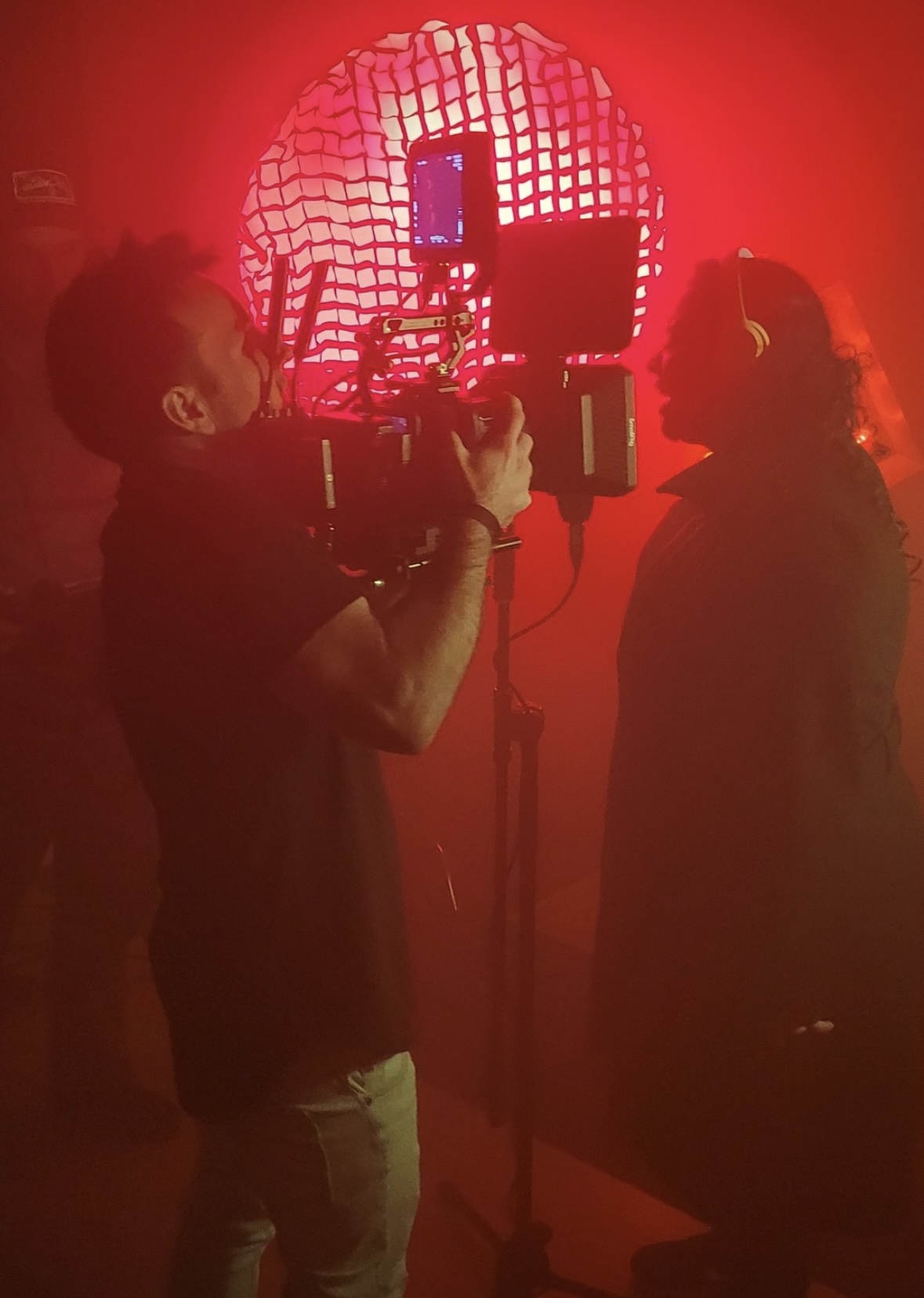
This is where an experienced B2B production partner earns its place. The job is not just to capture attractive shots of heavy equipment. It is to work safely, manage contributors, obtain the right material efficiently and deliver a story that aligns with approved messaging without becoming sterile.
A practical pre-production process usually covers site access, risk assessments, interview preparation, location plans, weather contingencies, approvals and a clear review pathway. For projects involving sensitive issues, teams should also agree early on who can approve technical statements, maps, environmental claims and community references. Leaving these decisions until the edit can add unnecessary cost and delay.
Drone footage can provide valuable context, particularly for scale, land use and transport routes. It must be planned within site rules and aviation requirements, and used only where it adds understanding. Aerial shots are useful when they orient the viewer. They are less useful when they become a substitute for explanation.
Build content for more than one moment
A single three-minute film may be the centrepiece of a campaign, but it rarely does every job. Communities receive information through different channels and at different times. A longer project update might sit on a community information page or play at a consultation event, while shorter versions can support email updates, social channels, digital screens or presentations.
This does not mean chopping a long video into arbitrary clips. Each version should stand on its own, with a clear message and appropriate context. A 30-second update may focus on one changed traffic arrangement. A short profile can highlight a local training partnership. A subtitled edit makes content more accessible in public settings and on mobile devices, where many people watch without sound.
Planning this asset suite from the outset is more efficient than treating it as an afterthought. It also gives communications teams current, approved material they can use when a question arises or an opportunity appears. For organisations managing multiple sites or long-running projects, a consistent format can build familiarity while allowing each community’s priorities to remain distinct.
Measure whether the message travelled
Views alone are a weak measure of community communication. A video may reach a large audience and still fail to answer the questions people have. Better indicators depend on the purpose: attendance at an information session, fewer repeat enquiries on a specific issue, stronger understanding in stakeholder feedback, completion rates, sentiment in comments, or engagement from identified local audiences.
Qualitative feedback is often just as valuable as platform data. Community liaison teams, call centre staff and project teams can report the questions they are hearing before and after release. If viewers remain confused about a central issue, the response may be a follow-up video, clearer supporting material or a more direct conversation rather than another broad campaign piece.
There is a trade-off here. Highly produced content can reinforce professionalism, but an overly polished film can feel distant when the subject is contentious. The right production value is one that supports confidence and clarity while retaining a human connection. Sometimes a direct update from a known local representative is more effective than a cinematic brand film.
For organisations operating in complex regional environments, video should be treated as part of an ongoing conversation, not a one-off announcement. When people can see the work, hear from credible voices and understand what will happen next, they have a better basis for engagement. That is where a well-planned community video starts to earn its value: not by speaking over a community, but by giving it clearer grounds to be heard.