
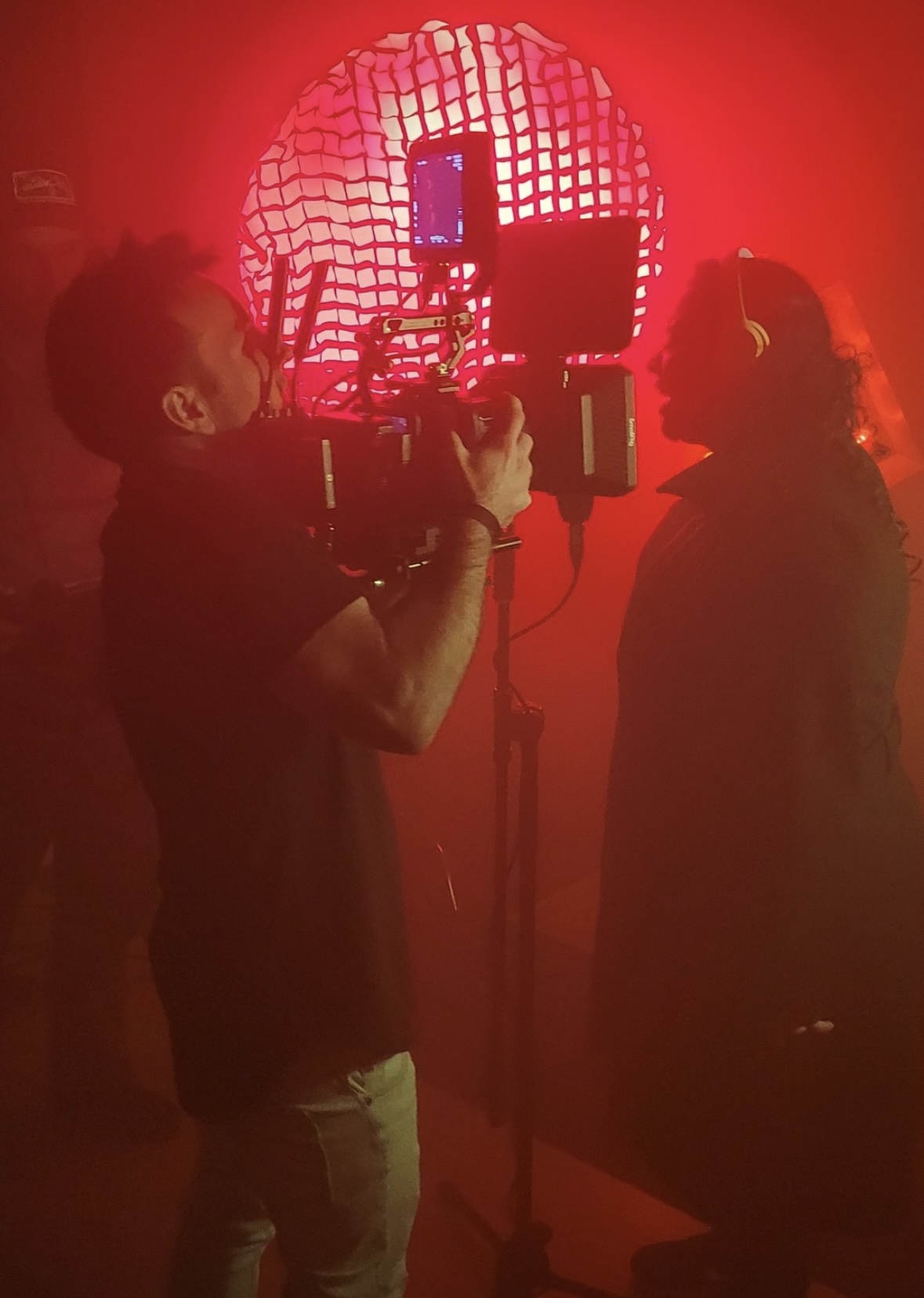

A video can look polished, feature the right people and still fail to do its job. It may not answer the audience’s real question, suit the channel where it will be viewed, or give internal teams a clear reason to use it. That is why a disciplined video pre production workflow matters. It turns a broad request for “a corporate video” into a considered asset with a defined audience, message, production plan and measure of success.
For organisations, pre-production is not administrative overhead before the cameras roll. It is the stage where business objectives are protected. Good planning reduces avoidable revisions, keeps stakeholders aligned and gives the production team what it needs to make sound creative and logistical decisions.
Why pre-production determines video performance
Filming is the visible part of a production, but it is rarely where the most consequential decisions are made. By shoot day, the audience, message, locations, talent, approvals, schedule and deliverables should already be clear. If they are not, the production is forced to solve strategic problems under time pressure.
That usually costs more than money. A loosely defined project can produce inconsistent messaging, stakeholder disagreement and footage that cannot be easily repurposed for recruitment, social media, internal communications or a campaign rollout. The result may be visually strong but commercially limited.
A proper workflow creates a chain of reasoning: the organisation has an objective, a particular audience needs to respond in a particular way, and the video needs a clear story and execution to support that response. Every creative decision should connect back to that chain.
The video pre production workflow, step by step
1. Define the job the video needs to do
Start with the outcome, not the format. “We need a two-minute brand video” is a production request. “We need to help prospective employees understand why they would build a career here” is a communication objective.
The difference changes the work. A recruitment video may need authentic employee voices, evidence of workplace culture and versions cut for paid social. A safety video needs clarity, accuracy and a structure that makes critical behaviours easy to recall. A government stakeholder piece may need to explain a complex programme in plain language while maintaining trust and accessibility.
At this point, establish what success looks like. Depending on the project, that could be enquiries, applications, staff completion rates, event registrations, campaign reach, stronger stakeholder understanding or consistent messaging across a dispersed workforce. Not every result can be attributed to one video, but defining the intended outcome makes smarter choices possible throughout production.
2. Get the right people aligned early
Most organisational video projects involve more than one decision-maker. Marketing may own the brand, communications may manage messaging, HR may need employee input, operations may control site access, and executive leadership may have final approval.
A kickoff process should identify the project owner, subject matter experts, approvers and final decision-maker. It should also set expectations around feedback. Consolidated feedback from a nominated representative is far more productive than receiving separate, conflicting comments from five stakeholders.
This is also the time to surface sensitivities. There may be legal claims that require substantiation, privacy restrictions, union considerations, security protocols, cultural requirements or operational information that cannot be filmed. Addressing these matters early protects both the organisation and the production schedule.
3. Understand the audience before writing the message
A message that works for an internal team will not necessarily work for a customer, a prospective student or a government stakeholder. Audience definition needs more detail than a broad demographic label.
Consider what the viewer already knows, what they may be sceptical about and what action they should take after watching. A mining business speaking to local communities, for example, may need to lead with transparency and real people. The same business speaking to experienced technical candidates may need to show scale, equipment, progression and the practical reality of the work.
This research shapes the language, pace, talent selection and distribution plan. It also keeps the script focused. Trying to tell every part of an organisation’s story in one asset usually means the audience remembers very little.
4. Choose a creative approach that supports credibility
Creative direction is not decoration applied after the strategy. It is how the strategy becomes something people will watch, understand and remember.
The right approach depends on the subject and audience. A founder-led piece can build confidence when a business has a strong personal story. Employee interviews can make a recruitment campaign more believable. Animation may be the clearest option for an abstract process, data-heavy service or future-state concept. Observational footage from an active site can demonstrate capability in a way a scripted claim cannot.
There are trade-offs. Interview-led content often feels authentic but requires confident contributors and careful editorial structure. Highly scripted pieces offer precision but can feel overly controlled if the language does not sound human. Drone footage can communicate scale, but it should serve the narrative rather than become a substitute for one.
The creative treatment should explain the story, visual style, tone, contributors and likely production method before detailed scripting begins. That gives stakeholders something concrete to approve while there is still room to change direction efficiently.
5. Build the script, storyboard and shot plan together
A script is more than spoken words. It is a plan for attention. It determines what must be said, what can be shown instead, where proof is needed and how the viewer will move from one idea to the next.
For corporate and institutional content, clear language usually performs better than jargon. The goal is not to simplify the organisation’s expertise. It is to make that expertise accessible to the intended viewer. Subject matter experts are essential here, but their input needs editorial discipline so the message does not become a collection of internal talking points.
Once the script is agreed, turn it into a storyboard or visual treatment and a practical shot list. This is where production realities become visible. If the script promises an employee-led culture, the shot plan needs real interactions, varied roles and moments that feel credible. If it describes a process, the team needs access to the actual stages that make it understandable.
The shot plan should also account for future use. Capturing vertical compositions, still photography, clean background plates, cutaways and multiple interview responses can make a single shoot more valuable across channels.
6. Lock down locations, people and site logistics
A strong concept can fall apart when filming is planned around assumptions. Pre-production needs a location recce or detailed remote assessment to confirm light, sound, power, access, safety conditions, space for equipment and the normal activity of the site.
Industrial, education, health and government environments often require more planning than a standard office. Consider induction requirements, PPE, vehicle movements, working hours, restricted areas, visitor sign-in processes and the effect filming may have on normal operations. A site manager’s involvement can be the difference between a productive shoot and a day spent waiting for access.
Talent planning matters just as much. Staff contributors should understand the purpose of the video, what will be expected of them and how much time is required. They do not need to memorise answers. In fact, natural responses are usually better. But they do need enough context to speak with confidence and accuracy.
7. Confirm approvals, risk and deliverables before shoot day
The final pre-production stage is about certainty. Confirm the shooting schedule, contact list, call times, locations, interview questions, release requirements and contingency arrangements. Weather, operational interruptions and late changes happen. The value of a plan is not that it eliminates uncertainty, but that it gives the team a sensible way to respond.
Deliverables also need to be agreed before filming. Clarify the primary video length, aspect ratios, captioning, accessibility requirements, cutdowns, social versions, photography, animation and file handover requirements. A campaign with paid media activity may need numerous versions. An internal programme may need captioned modules and a format suitable for a learning platform.
This is where an experienced production partner adds practical value. THIRTY3SOUTH approaches pre-production as a way to protect the business purpose of the project while giving creative teams the clarity to produce work that feels human, credible and fit for use.
When the workflow should flex
Not every project requires the same level of pre-production. A rapid turnaround event recap has different needs from a multi-location brand campaign. A straightforward executive update may not need a full storyboard, while an animated explainer involving technical content may require extensive script development and approvals.
The principle remains the same: scale planning to the risk, complexity and value of the asset. Where more stakeholders, locations, regulations or deliverables are involved, more detail upfront is usually a worthwhile investment. Where speed matters, keep the process lean but do not skip the core decisions about purpose, audience, message and approval authority.
The best time to improve a video is before a crew arrives on site. When the objective is clear and the plan is grounded in real operational conditions, production becomes more efficient and the final content has a far better chance of being used, trusted and acted on.