

A two-minute brand film and a two-minute safety induction may have the same runtime, but they are rarely the same job. Video production pricing is shaped by the work required to make a message clear, credible and fit for purpose – not simply by the number of minutes in the finished edit.
For marketing, communications and HR teams, that distinction matters. A video can be inexpensive to produce and still be costly if it fails to earn attention, explain a complex process or give people a reason to act. The right budget starts with the outcome the organisation needs, then builds a production approach that can deliver it reliably.
Video production pricing starts with the job to be done
A useful brief identifies the audience, the action or understanding required, where the content will appear and how long it needs to work for. A recruitment campaign for a regional employer, for example, may need a hero film, cut-downs for social channels, still photography and employee stories that can be reused over several months. A training video may need a different approach: precise scripting, approved terminology, clear demonstrations and versions for specific roles.
These requirements affect the scope before cameras are even considered. The strongest production plans do not begin with a preferred format or a fixed number of shoot days. They begin with the communication problem. From there, the production team can recommend what is necessary, what is optional and where a leaner approach will still protect the outcome.
What is included in video production pricing?
Most professional projects have three connected stages: pre-production, production and post-production. The budget is the combined cost of the people, planning, equipment, locations and time required across those stages.
Pre-production sets the project up to work
Pre-production can include discovery sessions, creative development, scripting, interview planning, storyboards, schedules, location scouting, talent coordination, permits, risk planning and call sheets. It may not be the most visible part of a project, but it often determines whether filming runs efficiently and whether the final story has a clear purpose.
For organisations with multiple stakeholders, this stage also creates a practical approval path. Agreeing key messages, interview questions and creative direction before filming reduces late changes and protects the production schedule. In regulated, industrial or government-related environments, it also helps ensure safety, access and compliance requirements are considered early.
Production costs reflect the scale of filming
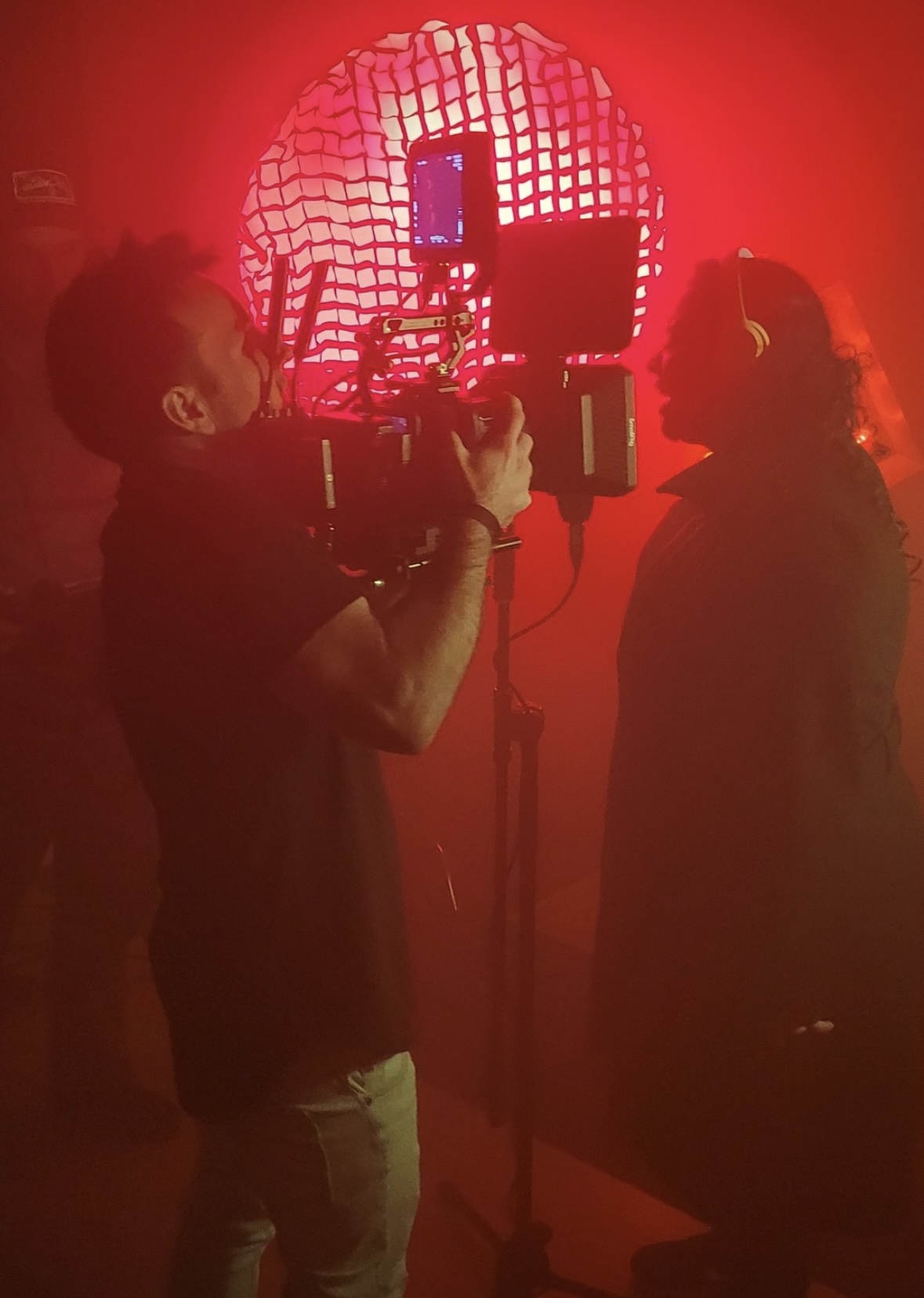
A straightforward interview and b-roll shoot may only need a small crew, a producer-director, camera operator, sound recordist and lighting package. A larger campaign may require additional camera crew, a photographer, drone operator, stylist, hair and make-up artist, actors, location management or specialist equipment.
Location is a major variable. Filming in a Sydney office with a prepared spokesperson has a different cost profile to filming across several operational sites, coordinating shifts, managing inductions and travelling with crew and equipment. Remote locations, restricted access areas and weather-dependent shoots can all require additional planning and contingency.
A larger crew is not automatically better. It should be appropriate to the work. Some projects benefit from a nimble team that can move quickly and keep interview subjects at ease. Others need dedicated roles so the team can safely capture complex activity, multiple talent, drone footage or a high volume of assets in a limited window.
Post-production is where the material becomes an asset
Editing turns footage into a structured piece of communication. The scope may include selecting interviews, building the narrative, colour grading, sound mix, music licensing, motion graphics, captions, versioning and feedback rounds. Animation, 3D visualisation or screen recordings can add clarity where live action alone cannot explain a process, product or service.
Revision time is also part of the cost. A well-managed project has defined review stages and consolidated client feedback, giving stakeholders enough input without creating an open-ended edit. This is particularly valuable where brand, legal, technical and executive teams all need to approve content.
Deliverables can change the budget significantly
The master video is often only one part of the deliverable. Organisations may need landscape, square and vertical versions; 15-second and 30-second cut-downs; captioned files; stills; translated versions; or individual modules for a learning platform.
Planning these outputs from the start is usually more efficient than returning to the footage after the campaign has launched. It also affects how content is filmed. A shot designed only for widescreen may not crop well for vertical use, while a spokesperson’s key message may need to be delivered in more than one length for different channels.
Typical price ranges, and why they are only a guide
Australian video production budgets can range from a few thousand dollars for a tightly scoped, single-location shoot through to tens of thousands for a multi-day campaign with extensive strategy, talent, animation and asset versioning. Larger programmes, particularly those involving national travel, multiple locations or ongoing content production, can sit well beyond that.
The range is broad because the outputs are broad. A $5,000 project and a $50,000 project may both result in a polished video file, but the planning, production value, usage requirements and number of usable assets behind each can be fundamentally different.
Rather than comparing quotes only by headline price, compare the scope. Does it include strategic development? How many shoot days and crew are allowed for? Are scripts, music, captions, graphics, drone work and travel included? How many review rounds are built in? What formats and versions will be supplied? A cheaper quote can be a sound choice when the brief is simple. It can also leave essential work outside the scope.
Where to invest, and where to simplify
The best place to invest is usually the element that makes the message believable and usable. For a leadership communication, that may be preparation and interview direction. For a safety film, it may be detailed scripting, accurate demonstrations and clean graphics. For a property launch, it may be art direction, location planning and a stronger visual treatment.
Savings are often possible when the organisation can provide a clear brief, nominate a decisive project lead, group filming at fewer locations and coordinate internal approvals. Capturing several assets during one shoot can also improve value. An executive interview, for instance, may support a campaign film, internal update, social cut-downs and website content when planned properly.
Be cautious about reducing the parts that protect quality. Poor audio, rushed interview preparation, unclear messaging and insufficient edit time are difficult to fix later. They are also the issues most likely to make a video feel generic, regardless of how good the camera footage looks.
How to request a more useful quote
A production partner can price accurately when they understand the decision behind the project. Share the intended audience, business objective, key messages, channels, timing, existing brand assets and stakeholders involved. If there is a working budget range, include it. That does not limit creative thinking – it helps shape an approach that is realistic from the outset.
It is equally helpful to explain what success looks like. Is the goal more qualified enquiries, stronger recruitment applications, fewer training questions, better stakeholder understanding or greater campaign reach? A clear measure gives the creative team a practical standard for every recommendation.
At THIRTY3SOUTH Films, the aim is not to make every project bigger. It is to build the right production around the job the content needs to do. When the budget, message and distribution plan are considered together, video becomes more than a polished deliverable. It becomes an asset your organisation can use with confidence.