
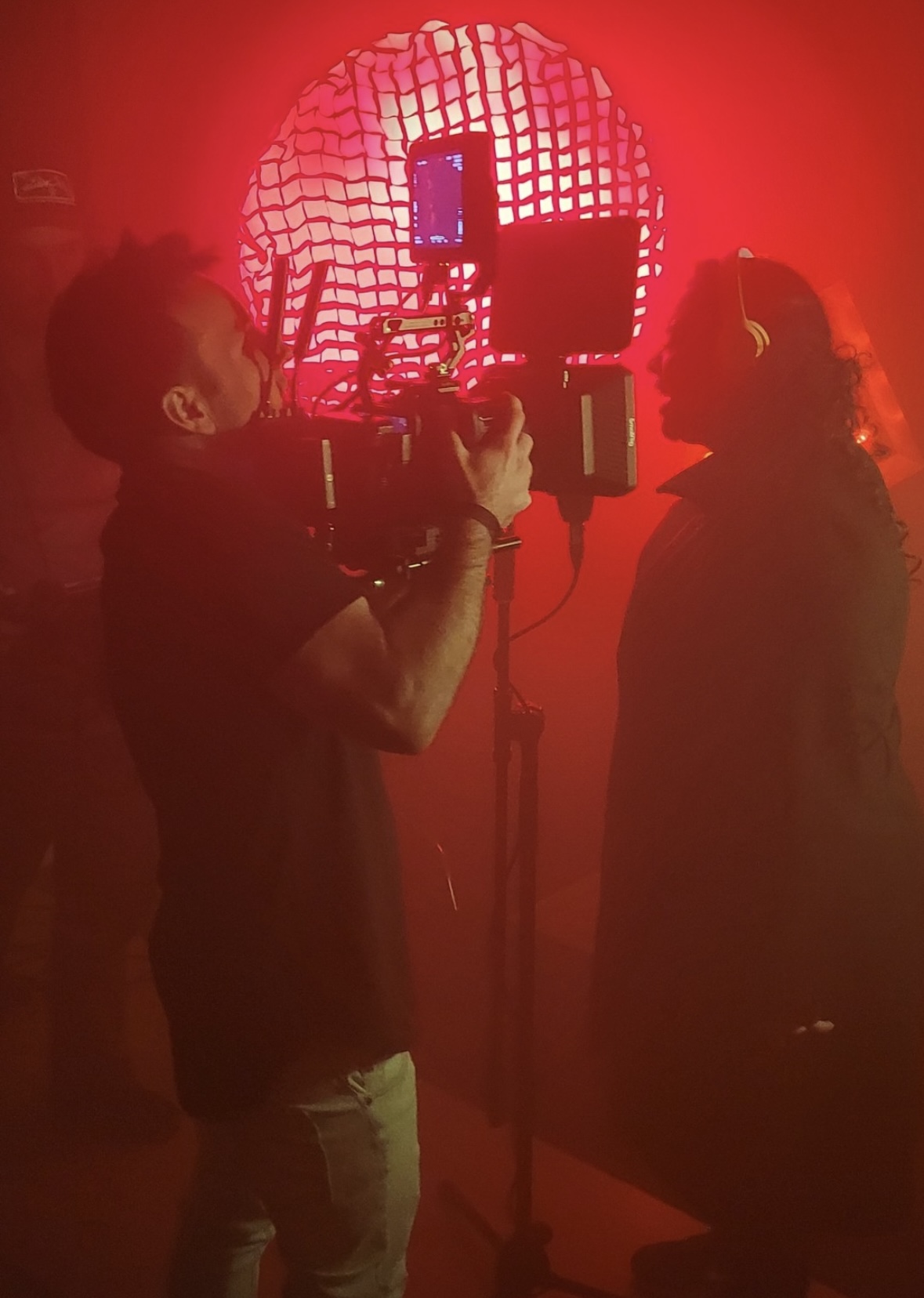

A glossy brand film can earn compliments and still fail to change a single behaviour. The difference is usually made well before the first camera is unpacked. This visual communication planning guide is for organisations that need video, photography or animation to do a defined job: explain a complex change, attract the right candidates, build confidence, improve training uptake or support a campaign.
The planning process should not reduce creative ambition. It gives creativity a direction. When the intended audience, action and distribution environment are clear, visual content can be more human, more relevant and far more useful to the business.
Start with the business decision, not the asset
Many briefs begin with a format: “We need a video for the website” or “We need some new photography.” That is a reasonable starting point, but it is not yet a communication plan. A better question is: what needs to be different after people see this?
For a recruitment campaign, the desired shift may be from uncertainty to application. For a safety initiative, it may be from passive awareness to consistent on-site behaviour. For a government consultation, it may be helping communities understand how a proposed change affects them and where their input fits.
Write the objective as a practical outcome. “Increase understanding of the new operating model among frontline teams” is more useful than “create an engaging internal video”. It helps everyone assess creative decisions against the same standard. Does this scene make the change clearer? Does this message help the audience act? Does the format suit the setting in which they will watch it?
A single production can have secondary benefits, but it should have one primary job. Trying to sell, recruit, train, reassure investors and tell the full company history in a two-minute film usually produces a message that serves none of them particularly well.
Define the audience by context
“Employees”, “customers” and “stakeholders” are categories, not audiences. People in those groups may have very different levels of knowledge, concerns and reasons for paying attention.
Consider a manufacturer introducing a new process. An operator on a busy shift needs short, practical guidance that recognises the realities of the work. A senior leader may need a broader story about capability, investment and risk. A prospective customer may only need proof that the process improves quality and reliability. The core message can remain consistent, but the evidence and language should change.
Planning should establish what the audience already knows, what they might misunderstand and what could prevent action. It should also account for their viewing context. A video watched on a mobile between meetings needs a different structure from a presentation played in a town hall, a training module accessed on site, or a case study viewed by a procurement team.
This is where human insight earns its place. Business decisions are made by people managing competing priorities, limited time and varying levels of trust. The strongest visual communication respects that reality rather than talking at an abstract audience.
Build a message architecture before writing a script
A message architecture keeps content focused as stakeholders, subject matter experts and approvals enter the project. It does not need to be complicated. It should identify the central point, the supporting proof and the action required.
The central point is the one idea the audience should retain. Supporting proof may include people, process, performance data, locations, customer outcomes or a clear demonstration. The action is what you want the audience to do next: apply, attend, adopt, enquire, share feedback or simply feel confident enough to support the initiative.
For example, an education provider may want prospective students to understand that its courses lead to practical, supported pathways into industry. The central point is not just that the provider has modern facilities. Those facilities are evidence. Student stories, employer perspectives and footage of real learning environments can make the claim credible.
Avoid treating every approved key message as equal. A screen full of claims, statistics and corporate language is hard to absorb, particularly in video. Prioritise what needs to be understood first, then decide what supporting information belongs on a webpage, in a downloadable document or in a follow-up conversation.
Choose the right visual system for the job
Visual communication is larger than a hero video. Depending on the objective, the most effective plan may combine film, stills, motion graphics, interviews, drone footage, screen recordings and cut-down edits. The value comes from selecting the mix that helps the message travel across the channels people actually use.
A property development, for instance, may need aerial imagery to establish scale, photography that gives spaces warmth and credibility, a concise project film for presentations, and short social edits that answer common questions quickly. An internal change programme may place more value on a leader message, animated process explainers and a library of short manager-led clips than on a single highly produced launch piece.
There are trade-offs. High-production brand content can create authority and emotional impact, but it takes time to plan and approve. Agile, interview-led content can respond quickly and feel immediate, but it needs strong messaging and clear quality controls. Animation is useful when filming is impractical or a process is difficult to visualise, while real people and locations are often better when trust and cultural connection matter.
The decision should follow the communication need, not the novelty of a particular technique.
Plan production around operational reality
A good concept has to work in the real world. For businesses in industrial, health, education or government settings, access, safety, privacy, brand governance and stakeholder availability can shape the production as much as the script does.
Bring these constraints into planning early. Confirm who needs to appear on camera, who can approve messages, which sites are available, whether inductions are required, and what information cannot be shown. If a project involves customers, students, patients or community members, consent and safeguarding requirements need a clear process rather than an assumption made on shoot day.
It is also worth identifying the material that can be captured efficiently while a crew is on site. A leadership interview may support a campaign film, internal updates, recruitment content and future media statements. Environmental footage, staff portraits and workplace activity can build a useful visual library, provided it is planned with enough variety to remain usable.
This is not about filming everything possible. It is about recognising where a well-organised production day can create assets with a longer working life.
Design for distribution from the beginning
The destination affects the creative. Content for LinkedIn, an intranet, a conference screen, a digital learning platform and a sales presentation should not be treated as interchangeable exports.
Decide early where the content will live, whether it will be watched with sound on or off, how long viewers are likely to stay, and what happens after they finish watching. Captions, clear opening frames, legible graphics and considered aspect ratios are practical requirements, not post-production extras.
A campaign may need a main film supported by 30-second and 15-second versions. A training programme may need modular chapters so staff can revisit a specific task without searching through a longer video. A corporate announcement may work best as a short leader message paired with a detailed written briefing for people who need more information.
Distribution planning also prevents a common waste: producing a polished asset with no owner, launch plan or budget to put it in front of the intended audience.
Set measures that reflect the objective
Views can be useful, but they are rarely enough. A video with fewer views may be more valuable if it reaches a small group of decision-makers, improves completion rates for mandatory training or generates qualified enquiries.
Choose measures that match the outcome. Recruitment content might be assessed through completed applications, candidate quality or time to fill. A safety campaign may use supervisor feedback, reported understanding and behavioural observations. A brand campaign could consider watch time, engagement, website actions and sales team feedback together.
Not every result can be attributed to one asset. Market conditions, media spend, internal leadership and campaign timing all matter. Still, agreeing on a baseline and a practical reporting approach makes it easier to learn what should be repeated, refined or retired.
Give the work room to evolve
Visual communication planning is not a document that sits untouched after the kick-off meeting. Once scripts are drafted, locations are assessed and interviews begin, new opportunities often emerge. A subject matter expert may explain the issue more clearly than the original copy. A real workplace moment may carry more weight than a planned scene.
The plan should be firm about the objective and flexible about the creative route. That balance protects the business purpose while giving the production team room to find the most believable, engaging way to tell the story.
When visual content starts with a clear decision, a real audience and a defined action, production becomes more than a polished deliverable. It becomes a practical communication asset that gives people a reason to understand, trust and move.