

A prospective client may understand your service in a few seconds. A future employee may decide whether they can see themselves in your organisation before they read a position description. That is where the question, what is a brand film, becomes practical rather than theoretical. Done well, it gives people a reason to believe in your organisation, not just a list of reasons to buy from it.
What is a brand film?
A brand film is a strategically produced video that communicates the character, purpose and value of an organisation. It is not simply a polished company profile, a product demonstration or an advertisement. It brings together the human and commercial sides of a business to help an audience understand what the organisation stands for, what it does differently and why that matters.
The strongest brand films are built around a clear communication objective. They may support a repositioning, introduce a new organisation to market, strengthen employer brand, build stakeholder confidence or provide the emotional centre of a broader campaign. The format can vary from a 60-second social cut to a three-minute hero film, but its role remains the same: create a memorable, credible picture of the brand.
For an industrial business, that might mean showing the people and care behind complex operations. For a university, it could mean connecting student ambition with research, facilities and community impact. For a government-related organisation, it may be about making a public-facing purpose feel clear, accessible and grounded in real outcomes.
A brand film is not just a corporate video
The terms are often used interchangeably, but there is a useful distinction. A corporate video usually explains a specific part of an organisation: its services, operations, leadership, safety processes or annual achievements. A brand film takes a wider view. It uses those details selectively to express the organisation’s central idea.
This does not make a brand film less practical. Quite the opposite. It should be one of the most useful assets in a content library because it can work across a website, presentations, tenders, recruitment activity, trade events, social channels and paid campaigns. Its usefulness comes from being focused enough to say something meaningful, yet broad enough to support multiple conversations.
The risk is treating it as a glossy exercise in self-congratulation. A film full of aerial footage, generic team shots and unsupported claims may look expensive but say very little. Viewers are quick to recognise polished language with no proof behind it. Credibility comes from specific people, real environments, honest detail and a message that aligns with how the organisation actually operates.
What a brand film needs to achieve
A brand film does not need to explain everything. In fact, trying to cover every service line, location and capability usually weakens the story. The audience needs a clear impression and a compelling next step, not a video version of a brochure.
Before production begins, the organisation should be able to answer three questions: who needs to see this, what should they think or feel afterwards, and what business outcome should it support? Those answers influence every creative decision, from the people featured on camera to the filming locations, script, pace and final cut-downs.
For example, a recruitment-led brand film may focus on team culture, meaningful work and progression. A film designed for a property developer may centre on place, confidence and future value. A B2B manufacturer may need to demonstrate expertise and reliability without falling into technical overload. Each film can be visually strong, but the story has to do a different job.
The objective also determines where the film will live. A homepage hero may need a concise, immediate message. A sales presentation can accommodate more context. Social platforms often need shorter edits that earn attention quickly, while internal audiences may respond best to a fuller story from leadership and employees. Planning for these use cases early avoids producing one excellent film that is difficult to deploy elsewhere.
The building blocks of an effective brand film
A good brand film starts with a simple proposition. This is the organising thought that holds the story together. It is not necessarily a tagline. It may be an idea such as making complex work easier for clients, creating safer outcomes for communities, or building a workplace where people can do work they are proud of.
From there, the film needs evidence. That may come through customer stories, employees at work, leaders speaking with conviction, real operational footage, product in use or visual proof of scale and capability. Interviews should not sound memorised. The best contributions are clear and purposeful, but still sound like a person rather than a press release.
Visual craft matters because it shapes perception. Sound, lighting, composition, music, editing and animation all affect whether an organisation feels considered and credible. But creative choices should serve the message. A cinematic drone shot may establish scale for a mining, property or regional infrastructure project. It is less useful if it has no connection to the point being made.
The same applies to animation. It can simplify data, processes or abstract services that are difficult to film. It should clarify the story, not decorate it. A well-made brand film balances emotional connection with enough tangible proof to earn trust from a commercially minded audience.
How the production process should work
An effective process begins before a camera is booked. Discovery should identify the audience, objective, core messages, potential barriers and distribution plan. It should also establish what the organisation can credibly claim. This stage is especially valuable for complex businesses where multiple stakeholders, compliance requirements or technical subject matter can pull a story in different directions.
Creative development then turns strategy into a workable concept. That may include a narrative approach, interview structure, script, visual references, filming plan and recommendations for supporting assets. Practical production planning is part of the value here. Site access, safety inductions, staff availability, approvals, weather, locations and brand governance all affect what can be achieved on the day.
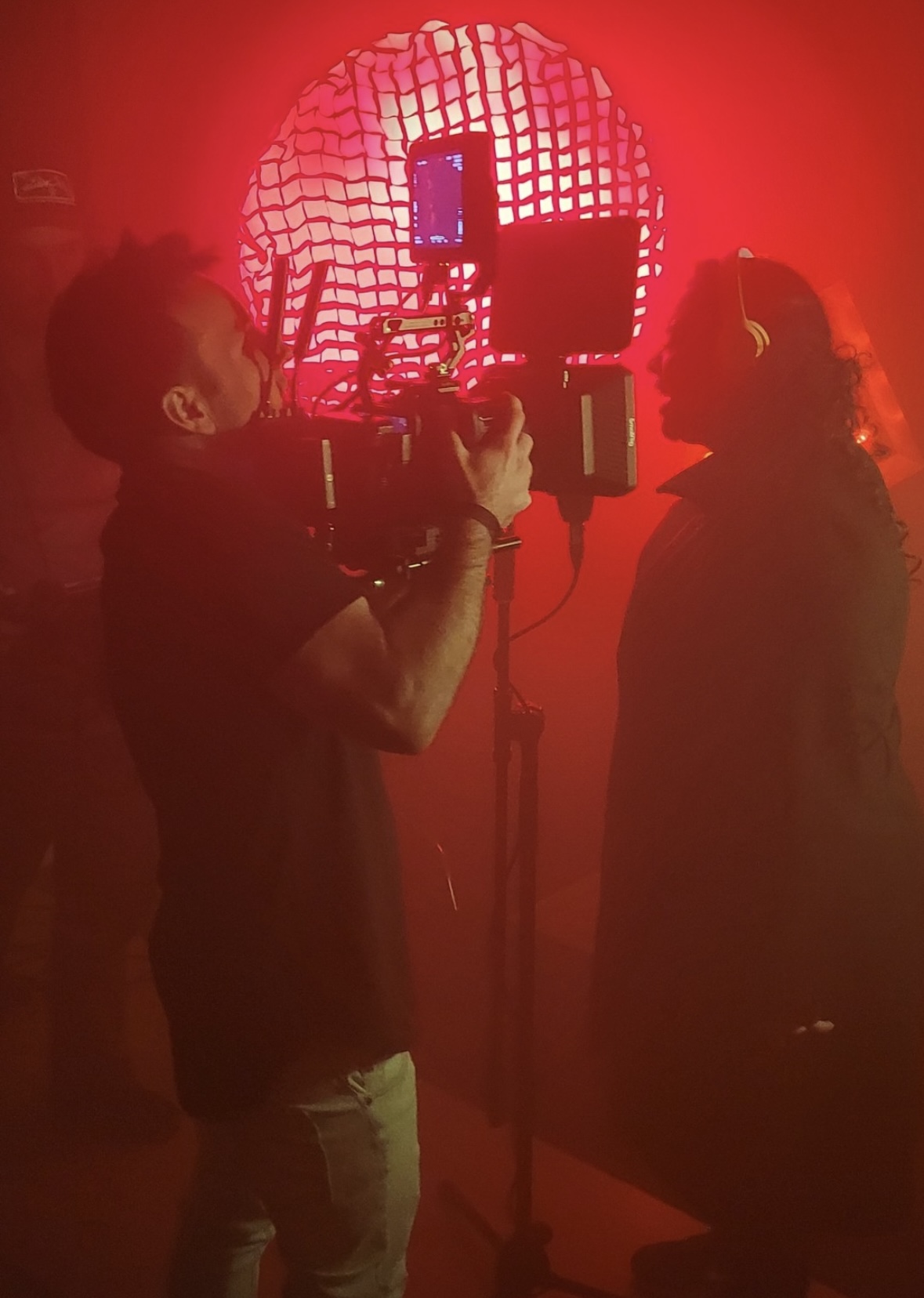
During filming, the goal is to capture more than the planned hero moments. Useful coverage gives the organisation options for future edits, social cut-downs, stills and campaign material. Post-production is where the story is shaped with discipline. The edit should retain momentum, make the key message easy to grasp and feel appropriate for the audiences who will see it.
For organisations with a range of channels, one shoot can often create a suite of assets: a primary film, shorter social edits, recruitment versions, interview clips, photography and animated explainers. This is not about producing content for content’s sake. It is about getting greater strategic value from the time, access and effort involved in production.
Budget, scale and the trade-offs that matter
There is no single price or production formula for a brand film. A focused one-day shoot with staff interviews and existing locations may be right for one organisation. Another may require multiple locations, aerial filming, a larger crew, casting, animation, detailed art direction or a campaign-level suite of deliverables.
The key trade-off is not simply between low and high production value. It is between spending budget on the elements that advance the objective and spending it on elements that look impressive without improving the message. A larger crew can create greater production polish, but a smaller, agile approach may be better suited to a live operational site or an internal communications project.
It also depends on the lifespan of the film. If the content needs to remain relevant for several years, avoid anchoring the narrative to short-term offers, fast-changing statistics or leadership titles that may date quickly. If the purpose is a time-bound campaign, a more immediate and specific message can be the right choice.
Measuring whether it worked
Views alone rarely tell the full story. A film can reach a large audience and still fail to influence the people who matter. Measures should relate to the original goal: stronger completion rates on a key webpage, improved quality of enquiries, increased applications, better campaign engagement, sales team use, stakeholder feedback or greater understanding of a strategic change.
Qualitative feedback matters too. When clients, candidates or partners repeat the message your organisation intended to communicate, the film is doing more than attracting attention. It is helping shape perception.
A brand film is most valuable when it gives an organisation a clear, human way to tell its story across the moments that influence trust. Start with the outcome you need, find the proof that makes that outcome believable, then build the film around the people who make the brand real.