

A polished video on its own does not do much for a business. If it is not clear who it is for, what it needs to communicate, and where it will be used, it is just content with no job to do. That is the real starting point for understanding what corporate video production is.
Corporate video production is the process of planning, creating and delivering video content for an organisation to achieve a specific business outcome. That outcome might be brand awareness, recruitment, stakeholder communication, training, internal engagement, safety messaging, product education or campaign support. The point is not simply to make something that looks good. The point is to produce a video asset that performs a function inside a business, across a market, or within a broader communications strategy.
What is corporate video production in practice?
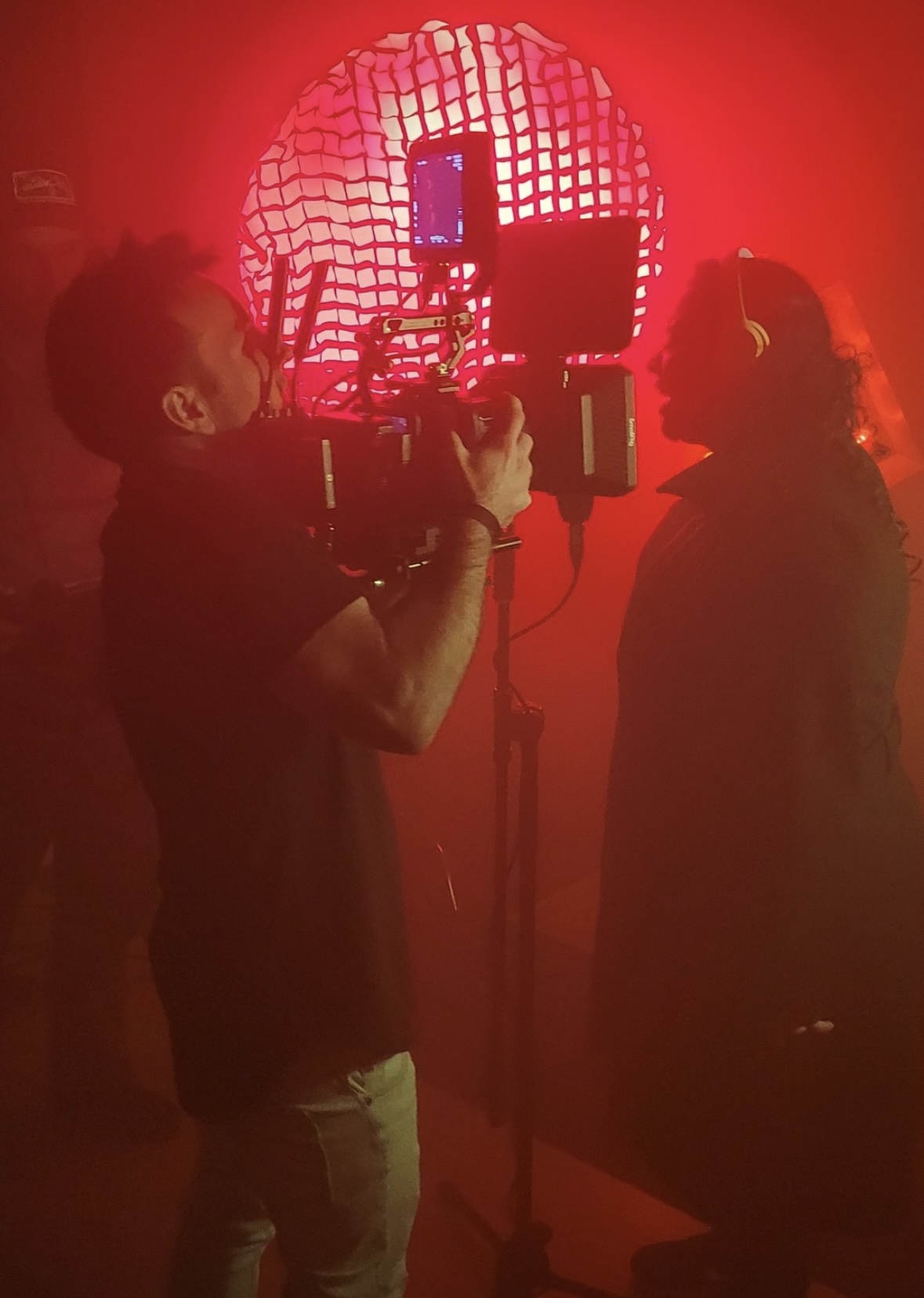
In practice, corporate video production is broader than filming an interview in an office boardroom. It covers the full journey from strategy and concept through to scripting, production, post-production and final delivery. Depending on the brief, that may also include animation, drone footage, corporate photography, versioning for multiple channels, and managing media files for future use.
For Australian organisations, this often means video that has to work across several audiences at once. A government department may need one piece adapted for public communication, internal teams and stakeholder engagement. A manufacturer may need a hero brand film, recruitment cutdowns and safety content drawn from the same shoot. A university may need video for student acquisition, alumni relations and faculty messaging, all while protecting brand consistency.
That is why corporate video production is best understood as a business service, not just a creative service. The creative side matters, but it must be aligned to operational reality, approvals, audiences, timelines and measurable intent.
The difference between corporate video and branded content
The terms are often used interchangeably, and sometimes that is fair. But there is a useful distinction.
Corporate video usually refers to content made for an organisation with a defined communication purpose. That could include company profile videos, CEO messages, induction content, case studies, training modules, event films, investor updates or recruitment campaigns. The audience may be external, internal or both.
Branded content tends to lean further into marketing and audience engagement. It is often more campaign-led, more outward-facing and sometimes less direct in its commercial message. In reality, many projects sit somewhere in the middle. A recruitment film may need employer brand thinking. A customer case study may also support sales. A property video may need both corporate credibility and consumer appeal.
The right approach depends on what the content needs to do, not what label gets attached to it.
What a strong corporate video production process looks like
The strongest projects usually begin well before the camera turns up. The early work is where business value gets built.
A proper production process starts by defining the purpose. Who is the audience? What do they need to understand, feel or do after watching? Where will the video live? How long does it need to remain useful? Will it be one standalone piece or part of a broader content rollout?
Once that is clear, concept development can begin. This is where messaging, tone, structure and visual approach come together. Some videos need a formal, highly controlled style. Others need warmth, movement and more human storytelling. For internal communication, clarity may matter more than polish. For a high-profile campaign or investor-facing piece, every frame may need to carry brand authority.
Pre-production then turns strategy into something workable. Scripts are refined, interview subjects are selected, locations are confirmed, schedules are built and practical constraints are managed. This stage is often underestimated, but it is what keeps filming efficient and reduces costly surprises.
Production is the filming phase, but even here the goal is not simply to capture attractive footage. Good production teams are balancing message delivery, brand presence, audience attention and logistical control all at once. They are making sure the content feels credible, visually strong and fit for purpose.
Post-production is where the final shape emerges. Editing, sound, music, graphics, animation and colour all influence how the message lands. This is also where one shoot can become multiple assets – such as short social edits, internal comms versions, subtitled cutdowns or campaign-specific adaptations.
Why businesses invest in corporate video production
Most organisations are not commissioning video for the sake of having video. They are trying to solve a communication problem.
Sometimes the challenge is external. A brand needs to explain who it is more clearly. A sales team needs stronger proof points. A development project needs to build trust with stakeholders. A campaign needs visual assets that can work across multiple channels.
Sometimes the challenge is internal. Staff need training that is consistent across locations. Leaders need a better way to communicate change. Recruitment teams need to show culture in a way job ads cannot. Safety procedures need to be demonstrated, not buried in a PDF no one reads properly.
Video works well in these situations because it combines message, emotion and clarity. It can show scale, process, people and context quickly. It can also reduce friction. A two-minute piece that explains something well can save hours of repeated explanation across departments, sites or audiences.
That said, video is not automatically the right answer to every communication issue. If the message changes weekly, a static format may be easier to maintain. If approvals are likely to drag for months, the content may date before it launches. If the intended audience only needs technical detail, a simple document may still be more useful. Good production starts by being honest about that.
What makes corporate video effective, not just polished
Production value matters. Poor lighting, weak audio or clumsy editing can undermine credibility quickly. But polish alone does not create results.
Effective corporate video has a clear brief, a defined audience and a distribution plan. It respects the viewer’s time. It understands where attention drops. It gets to the point without losing personality. And it feels true to the organisation behind it.
That last point is important. Corporate audiences can spot generic messaging quickly. If a video looks expensive but says nothing specific, it tends to fade into the background. The strongest content usually has a point of view grounded in real operations, real people and a real business context.
For this reason, strategy and production should not be separated too sharply. A beautiful film with the wrong message is still the wrong asset. A strategically sharp concept produced badly can also miss the mark. The value sits in bringing those parts together.
Common types of corporate video production
The format varies by sector and objective, but common examples include company overview videos, recruitment films, training and induction videos, safety communications, customer stories, leadership messages, event coverage, product explainers, property and development content, case studies, and social cutdowns built from larger shoots.
Some of these are highly scripted. Others rely on documentary-style storytelling and authentic interviews. Some need broad emotional appeal. Others need precision and compliance. That is why there is no one-size-fits-all production model.
For organisations with ongoing content needs, it also makes sense to think beyond a single video. One production can be planned to deliver a suite of assets across departments and channels. That is often where the commercial value improves – not by making more content for the sake of it, but by producing content systems that are more usable over time.
Choosing the right production partner
If you are commissioning video for a business, the key question is not just whether a supplier can film well. It is whether they understand how organisations work.
That means being able to handle stakeholders, approvals, timelines and shifting priorities without losing the thread of the brief. It means knowing when to challenge vague objectives and when to simplify a process. It means understanding that a marketing manager, HR lead and operations team may all need different things from the same project.
A capable production partner should be able to translate business goals into a clear creative approach, then deliver it reliably. That includes managing the practical work, but it also includes helping clients make smarter decisions about format, messaging, scope and rollout.
This is where a strategic production company such as THIRTY3SOUTH Films can offer more value than a team focused only on visuals. The job is not to create a nice video and walk away. The job is to produce content that is useful, credible and built to do something specific.
Corporate video production works best when it is treated as part of business communication, not an isolated creative exercise. If the message matters, the audience matters, and the outcome matters, then the production process should reflect that from the start. The most valuable videos are not always the flashiest ones. They are the ones people understand, remember and act on.