
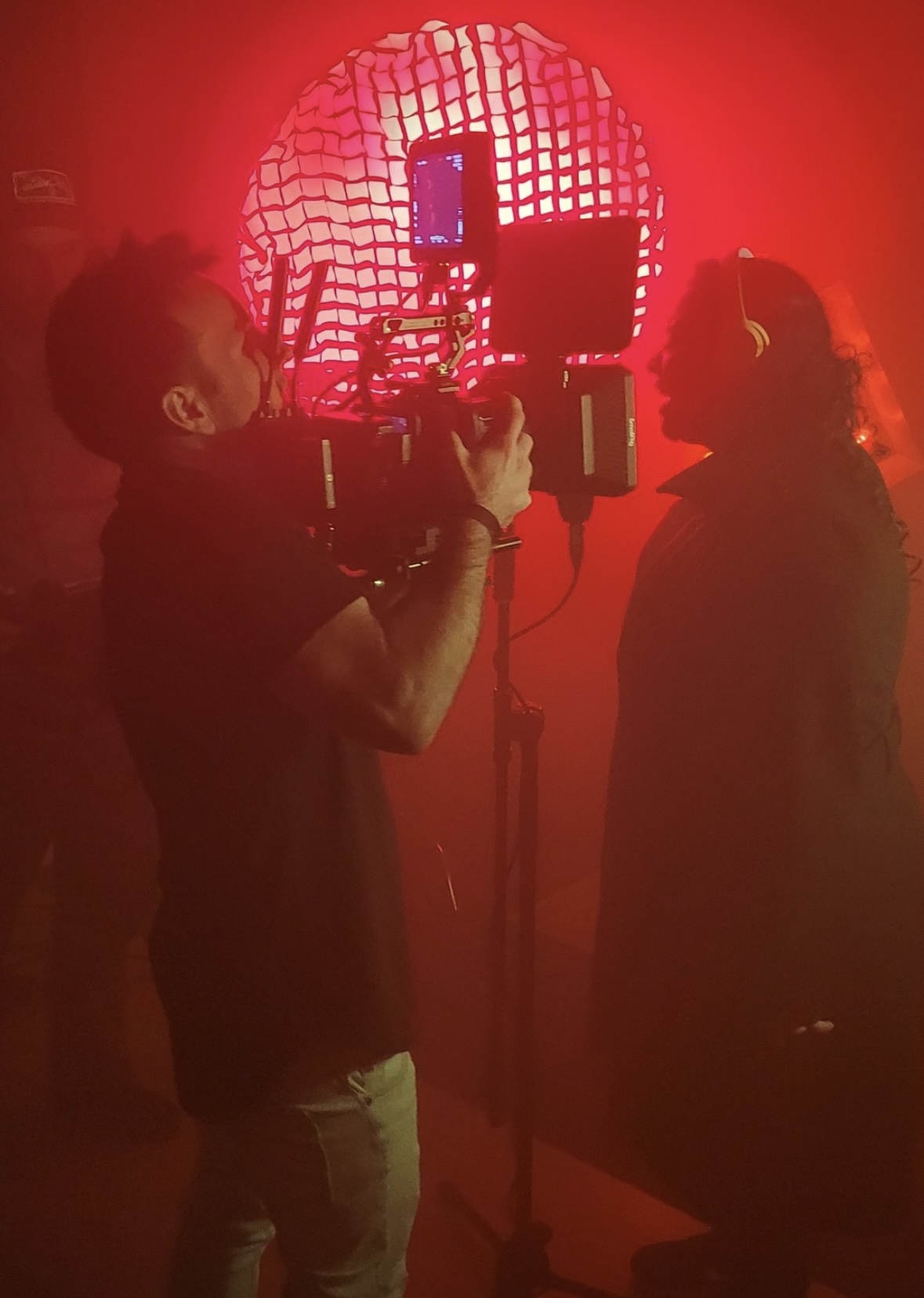

A corporate video is not successful because it has cinematic drone shots, a polished soundtrack or an impressive office fit-out. It is successful when the right audience understands something, feels something and takes the next step. The best corporate video examples do exactly that: they turn a business objective into a clear human story.
For marketing and communications teams, that distinction matters. A video can look expensive and still fail to recruit the right people, explain a complex service, shift an internal behaviour or build confidence with stakeholders. The examples below show the formats that consistently earn their place in a business communications plan, along with the thinking that makes each one effective.
What the best corporate video examples have in common
The strongest corporate videos start before the camera is switched on. They identify a specific audience, the message that audience needs to hear and the action or response the organisation wants to create. Everything else – script, location, interview talent, animation, music and edit – follows that decision.
They also respect the viewer’s time. Corporate audiences are busy, whether they are prospective employees, customers, community members or internal teams. The opening needs to establish relevance quickly, and every scene should contribute to the message. A two-minute film with a clear point will usually perform better than a five-minute film trying to say everything.
Most importantly, effective corporate content feels credible. That often means putting real people on screen rather than relying only on executive statements or stock imagery. It means showing operations as they are, while presenting them with care. High production quality builds trust, but authenticity gives that quality a reason to matter.
1. The employer brand film that lets people picture themselves there
Recruitment videos work best when they answer the question candidates are already asking: what would it actually be like to work here? A strong employer brand film follows employees through meaningful moments in their day, from a pre-start briefing on site to a team interaction, a mentoring conversation or a customer outcome.
For a mining, manufacturing or health organisation, that might mean showing the environment honestly rather than disguising the operational reality. For a university or professional services business, it could focus on collaboration, career progression and the purpose behind the work. The message is not simply that the organisation is a great employer. It is that the right person can see where they belong.
The trade-off is control. Employee-led storytelling can be less tightly scripted than a campaign featuring professional talent, but it is far more believable when recruitment decisions are based on culture and trust.
2. The customer story that proves the claim
A customer case study is one of the most commercially useful corporate video formats because it replaces self-praise with evidence. Rather than claiming a service is reliable, efficient or innovative, it shows a customer explaining the problem, the decision and the result.
The best version has a simple structure: the customer had a real challenge, the business helped address it and the outcome created measurable or meaningful value. Those outcomes might be reduced downtime, faster delivery, safer operations, better learning outcomes or a stronger tenant experience.
A case study should not feel like a scripted endorsement. Let the customer use their own language and include enough detail to make the story useful to similar buyers. In B2B markets, a specific operational insight is often more persuasive than a broad statement about excellent service.
3. The leadership message people will actually watch
CEO updates and leadership communications have a reputation for being long, formal and easy to ignore. They do not need to be. A well-produced leadership video can bring clarity and confidence during a change program, annual update, merger, strategic shift or significant operational event.
The key is to make the message human and direct. Leaders should speak to the camera as they would to a capable colleague, not read a dense statement full of internal language. Supporting footage, simple graphics and purposeful cutaways can give context without distracting from the message.
This format is particularly valuable when written communications may be misread or lack the emotional weight employees need. Seeing a leader address difficult news calmly can help establish trust. But video is not a replacement for proper consultation. It works best as one part of a broader communication plan.
4. The safety video that shows consequences without preaching
Safety content has a serious job: help people recognise risk and make better decisions before an incident occurs. The most effective safety videos avoid generic warnings and instead recreate realistic scenarios that workers, contractors or visitors can recognise.
For example, a film may follow a worker rushing through a familiar task, missing a critical check and then seeing the potential consequence. Another may use a real employee’s account of an incident to make the message more personal. The aim is not fear for its own sake. It is to create a memorable connection between a routine action and a real outcome.
Safety videos need careful creative judgement. If they are too graphic, overly dramatic or disconnected from the workplace, audiences can disengage. If they are too gentle, the message may not land. The right approach depends on the risk profile, workforce culture and whether the content is for induction, refresher training or a targeted campaign.
5. The animated explainer for a complex idea
Some services, processes and policies cannot be filmed easily. A software platform, planning framework, infrastructure proposal or new public program may involve systems that are invisible, technical or still under development. Animation gives organisations a way to make those ideas clear.
The best explainer videos do not attempt to explain every feature or policy detail. They focus on the audience problem first, then show how the process or solution improves the experience. Clear visual metaphors, restrained branding and plain language can make technical information easier to absorb without oversimplifying it.
Animation is especially useful when a video needs a long shelf life. It can reduce dependence on changing locations, staff and product interfaces. However, it should not be used automatically. If real people and real environments are central to trust, live-action footage will usually carry more weight.
6. The project update that builds stakeholder confidence
Property, infrastructure, education and government projects often need to communicate progress across long timelines. A project update video can show what has been achieved, what is happening next and how the work will affect the people around it.
A good example combines visual progress with practical information. Drone footage can establish scale, while site footage, graphics and project spokespeople explain milestones, access changes, community benefits or delivery stages. It gives stakeholders more confidence than a written update alone because they can see the activity behind the claims.
The important consideration is cadence. One polished project film may be ideal for a major milestone, while shorter, repeatable updates may better serve a multi-year program. Planning a content series from the outset also creates greater value from each filming day.
7. The induction video that makes standards clear from day one
An induction is often the first experience a new employee, student, contractor or visitor has of an organisation. A well-designed induction video sets the tone while covering the non-negotiables: safety expectations, access procedures, conduct, security, emergency actions and the purpose of the site or institution.
The best films balance clarity with pace. They show the actual spaces people will use and demonstrate the behaviours expected of them. Captions, graphics and translated versions may be needed for accessibility and workforce diversity, while modular editing can allow individual sections to be updated without remaking the entire video.
This is not the place for a generic brand montage. Induction content succeeds when it reduces uncertainty and helps people act correctly in a real environment.
8. The brand film that puts purpose into practical terms
A corporate brand film should do more than state a mission. It should show how that mission appears in decisions, people, products and outcomes. For an Australian manufacturer, that may be local capability and quality control. For a health provider, it may be care delivered with dignity. For a government-related organisation, it may be the public value created through its work.
The most persuasive brand films find a human entry point. An employee’s pride in their craft, a customer’s improved experience or a community outcome can make an abstract purpose feel tangible. Visual polish matters here, but the story needs substance underneath it.
9. The training video built around a real task
Training content is frequently treated as a compliance requirement rather than a performance tool. The better approach is to build the video around the decisions people need to make on the job. Show the task, explain why the method matters and demonstrate what good looks like.
A concise video can support a learning module, toolbox talk or supervisor-led session. For complex procedures, a series of short videos is often more practical than one lengthy production. Staff can return to the relevant module when they need it, and individual sections are easier to update as systems or requirements change.
10. The culture film for a merger, milestone or change
Periods of change can create uncertainty even when the business case is sound. A culture-focused film can acknowledge where an organisation has come from, recognise the people who shaped it and provide a credible view of what comes next.
This works particularly well for anniversaries, major transformations, relocations and integrations. Archive material, current interviews and carefully selected operational footage can connect past and future without becoming sentimental. The story should be honest about change, while giving people a shared reason to move forward.
How to choose the right corporate video format
Start with the business outcome, not the format. If the goal is to attract qualified applicants, an employee-led recruitment film may be the right choice. If you need to build credibility with prospective clients, a customer story may do more work. If understanding is the priority, animation or task-based training could be the better investment.
It also helps to plan for distribution early. The same production can often deliver a hero film, short social edits, internal cut-downs, stills and campaign assets. That does not mean forcing one message into every channel. It means designing the production so the right footage is captured for the audiences that matter.
The most useful corporate video is rarely the one with the most shots or the largest crew. It is the one that gives people a clear reason to pay attention, understand the message and do something with it.