
A prospective student can read course pages, compare fees and browse campus photos for weeks. What often moves them closer to an enquiry is seeing a real person explain what learning, support and life after graduation actually look like. The strongest education marketing video examples do not simply promote an institution. They reduce uncertainty at the moments when a student, parent, employer or partner needs confidence to act.
For universities, TAFEs, schools, RTOs and education providers, that changes the production brief. The question is not, “What video should we make?” It is, “What decision needs this video to support?” A polished hero film has value, but a clear course explainer, a credible graduate story or a practical virtual tour may do more for enrolment outcomes.
1. Student stories that make the outcome believable
Student testimonials remain one of the most effective formats because they turn institutional claims into lived experience. Rather than stating that a course is supportive, industry connected or career focused, let a student describe a specific moment: the lecturer who helped them adjust, the placement that built their confidence, or the project that helped them gain work.
The difference between a useful testimonial and a generic one is detail. “I loved the community” is pleasant but forgettable. “I was working part-time and needed flexible classes, so I could stay employed while completing my qualification” answers a real objection for a prospective learner.
A strong student story typically follows a simple arc: where the person started, what challenge or ambition they brought with them, how the learning experience helped, and what changed afterwards. Film across a real setting – campus, workshop, lab, clinic or workplace – so the story has evidence around it. The footage should feel observed rather than overly staged.
This format works especially well across paid social, course landing pages, open day screens and nurture communications. It also benefits from a deliberate shoot plan. One interview can often create a main profile film plus short edits focused on flexibility, facilities, student support or career outcomes.
2. Course videos that answer the practical questions
Prospective students rarely choose a course based on a course code and a list of units alone. They want to understand what they will do, who they will learn from, where it can lead and whether it suits the way they live and work.
A course overview video should answer those questions directly. Show practical learning in action, introduce teaching staff who can speak plainly about the course, and connect the curriculum to a credible employment or further-study pathway. For vocational education, this may mean demonstrating equipment, simulated work environments and industry placement. For higher education, it may mean highlighting studio work, research opportunities, clinical training or collaborative projects.
Keep this format focused. A two-minute video trying to cover every unit, campus service and career option will become vague. Build the video around the one or two reasons a student should consider that particular course, then use supporting content to answer narrower questions.
3. Campus and facilities tours that remove friction
For many students, especially those relocating or attending their first open day, the physical environment is part of the decision. They are assessing more than architecture. They are asking whether they can find their way around, whether the facilities match the promise, and whether they can imagine belonging there.
A campus tour is most effective when it is designed as orientation rather than a glossy property reel. It should show the places that matter to the audience: learning spaces, specialist facilities, libraries, social areas, transport access, accommodation or student services. A presenter can provide useful context, but the tour should retain a natural sense of movement and scale.
Drone footage can establish the campus and surrounding location efficiently, while ground-level footage gives viewers the more important first-person perspective. The trade-off is clear: aerial shots look impressive, but they cannot explain what it feels like to enter a workshop, find the student hub or sit in a tutorial room. Use both with purpose.
4. Graduate and employer outcome films
Education marketing often makes career claims that are difficult for audiences to assess. Graduate outcome videos give those claims weight by showing where graduates have gone and how their education translated into capability.
A graduate profile can be particularly powerful when it includes an employer, supervisor or industry partner. The graduate explains their experience from a personal perspective; the employer adds independent credibility by discussing the skills, work ethic or practical readiness they observed.
These films are not just for recruitment campaigns. They can support industry engagement, alumni communications, donor conversations and institutional reputation. They also need careful selection. A high-profile graduate is useful, but the strongest subject is one whose pathway is relevant and attainable for the audience being recruited.
5. “Day in the life” videos for a human view of study
A day-in-the-life video is less formal than a testimonial and often performs well in short-form channels. It gives prospective students a realistic view of the rhythm of study: arriving on campus, attending class, meeting friends, completing practical work, travelling to placement or balancing learning with a job.
Authenticity matters more here than high production gloss. That does not mean the video should be unplanned or poorly shot. It means the story should preserve the texture of a real day, including the small details that help viewers picture themselves in the same setting.
This is especially valuable for younger audiences making their first education choice, but it can also work for mature-age learners. The subject, schedule and concerns will differ. A school leaver may want to see campus culture; a working parent may be more interested in timetable flexibility, online access and support.
6. Research and thought leadership videos that build reputation
Not every education marketing asset should ask for an immediate enrolment. Research explainers, academic interviews and expert-led stories build authority over time. They show the institution contributing to real-world conversations in health, technology, policy, climate, industry or community development.
The best examples avoid turning a complex research project into a lecture. Start with the problem being addressed, show the people or communities affected, and let the academic explain the work in accessible language. Visuals should do some of the explanatory work, whether that is field footage, animation, laboratory activity or interviews with partners.
This format is useful for universities, specialist schools and providers with a clear area of expertise. It may not generate an enrolment lead overnight, but it can strengthen trust among prospective students, government stakeholders, industry partners and the media.
7. Education marketing video examples for conversion moments
Some of the most commercially useful videos are also the least glamorous. Application walkthroughs, enrolment deadline reminders, scholarship explainers and student support videos can remove the final barriers between interest and action.
A scholarship video, for example, should clarify eligibility, process and impact without making viewers work through dense copy. An application video should show what documents are needed, where applicants commonly get stuck and where help is available. These assets can sit in email campaigns, FAQs, landing pages and student portals, where they support a specific task.
Their value is measurable. Institutions can track completion rates, page engagement, enquiry quality and recurring support questions before and after deployment. If a video prevents hundreds of applicants from abandoning a form or calling a service centre, it has performed a significant operational job.
Planning videos around the decision journey
The most effective education video strategy is not a collection of isolated films. It maps content to the journey from awareness through consideration, application, enrolment and advocacy. A prospective student may first see a short social video, then watch a course overview, seek proof through student stories and finally need an application guide.
That is why pre-production matters. Before cameras are scheduled, identify the audience, the intended response, the distribution channels and the measures of success. A film designed for a homepage can be structured differently from one intended for a paid social campaign, an open day presentation or internal recruitment use.
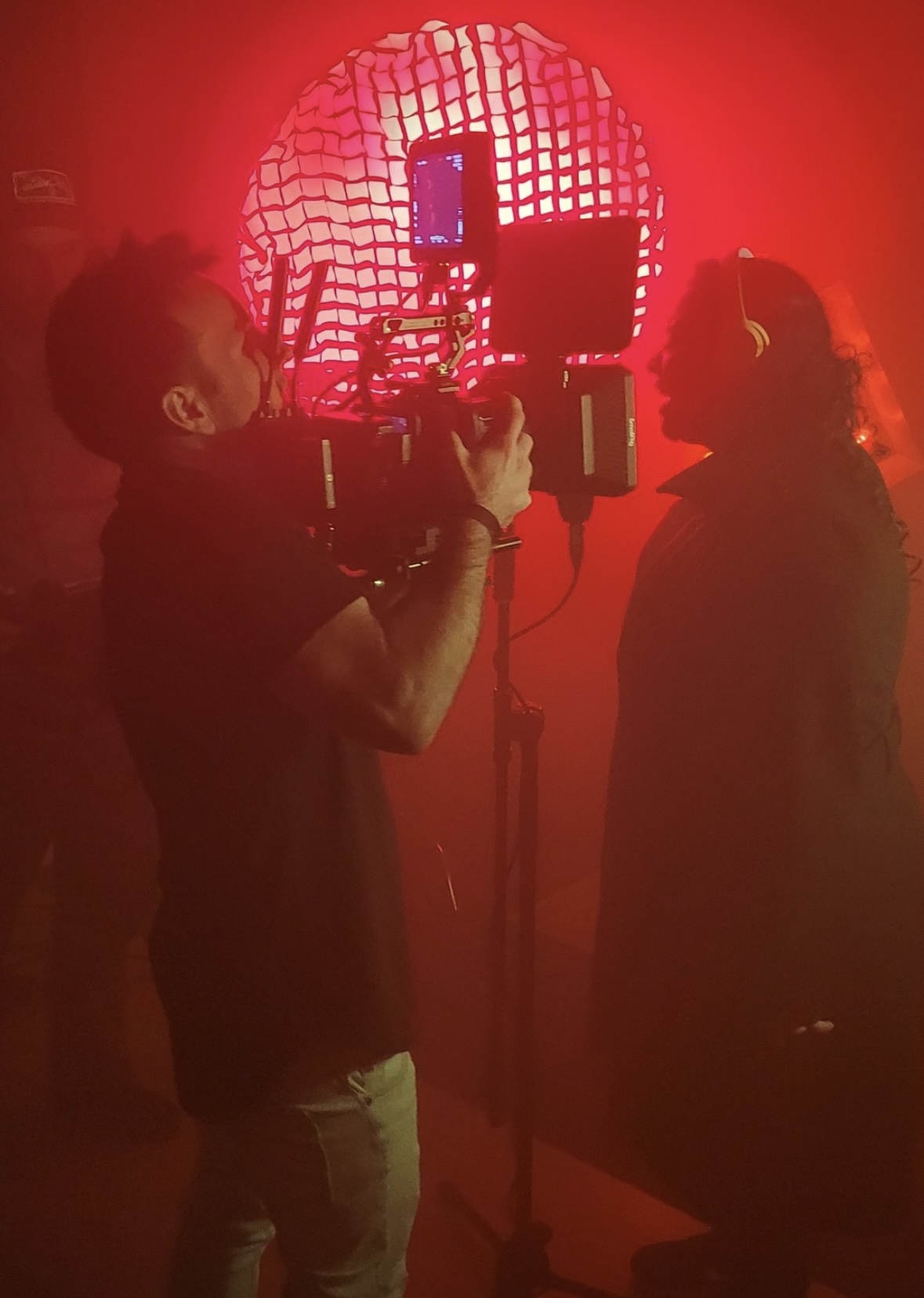
Production also needs to account for the realities of education environments: student permissions, working-with-children requirements, academic calendars, operational classrooms and the need to capture a range of usable content in limited access windows. A capable production partner brings creative direction, but also the planning discipline to manage those details without disrupting the institution.
The most useful video is not necessarily the biggest campaign film. It is the one that gives the right person enough confidence to take the next step – whether that is booking an open day, submitting an application, accepting an offer or believing they belong there.