
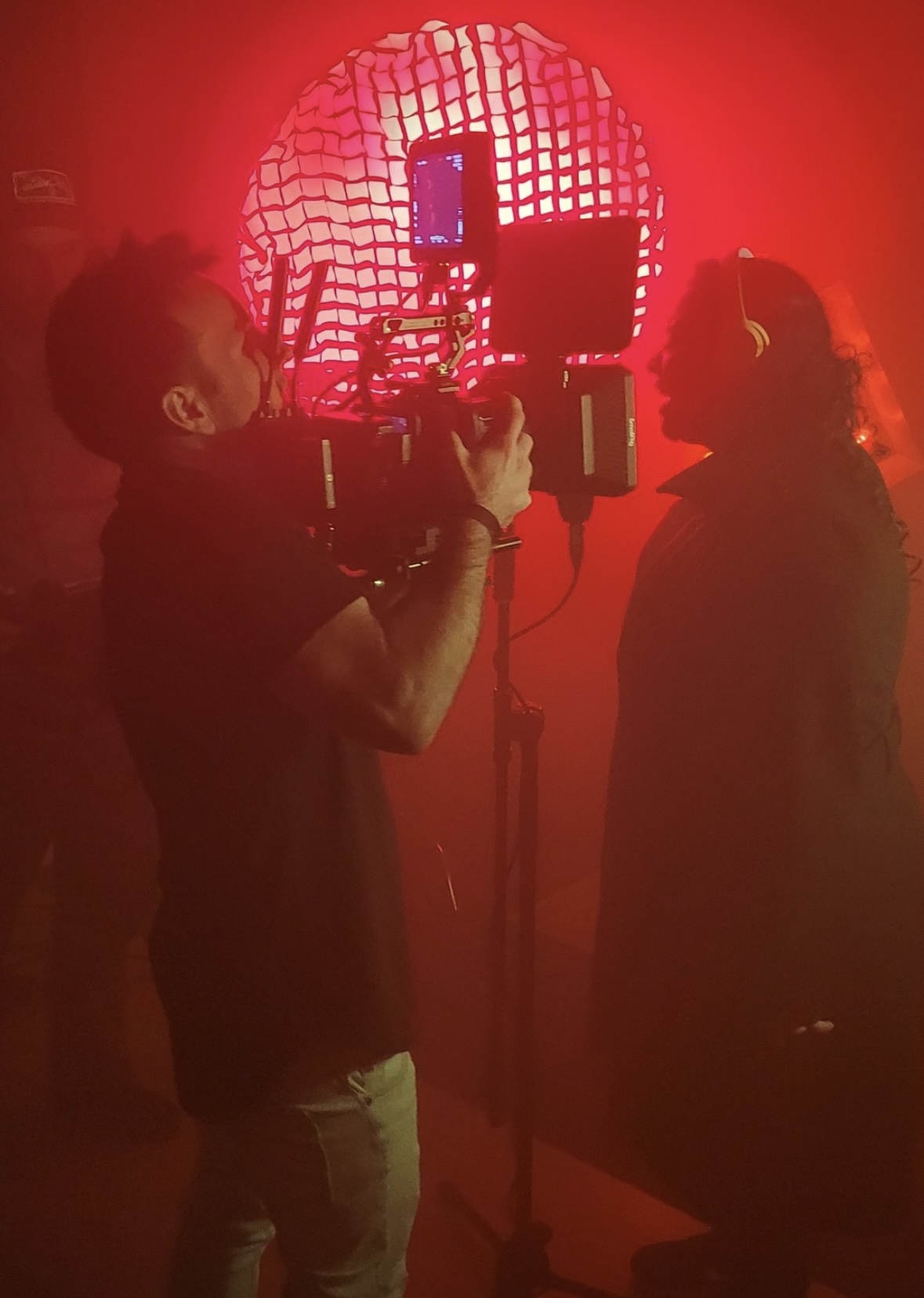

A polished video can earn attention for a few seconds. A well-planned brand video can change what an audience understands, feels and does next. That is the difference between content made to look good and brand video production built to do a job.
For Australian organisations, that job might be clarifying a complex service, attracting capable people, building confidence in a major project, helping staff adopt a new process, or giving a sales team a more persuasive way to start a conversation. The footage matters, but the outcome matters more.
Brand video production starts with the business question
Before a camera crew is booked, the central question should be clear: what needs to change? A video cannot effectively serve every objective at once. If it is intended to recruit, it needs to make the lived experience of work feel credible. If it is for stakeholder communication, it needs to explain progress and manage uncertainty. If it supports a campaign, it must work alongside the wider message, media plan and audience journey.
This is where many projects lose value. The brief begins with a request for a two-minute corporate video, a drone shoot or customer interviews, rather than the communication challenge itself. Those may be the right production choices, but they should follow strategy, not replace it.
A useful starting point is to define the audience, the desired response and the barrier standing in the way. A property developer may need prospective buyers to see the practical lifestyle behind a masterplan. A manufacturer may need customers to understand its quality controls. A government team may need a community to recognise what is changing, why it is changing and where to find reliable information.
When those answers are settled early, creative decisions become easier to make and easier to defend.
The strongest stories make organisations human
Businesses often have more information than an audience can absorb. They have specifications, policies, achievements, timelines and service descriptions. Video gives those facts a human context.
The most effective brand stories usually show people doing meaningful work, solving a problem or benefiting from a better outcome. This does not mean every video needs emotional music and a dramatic voiceover. In industrial, education, health and government settings, credibility is often created through restraint. A subject matter expert speaking plainly, a worker demonstrating a process, or a customer explaining a practical benefit can carry more weight than an over-scripted claim.
The right creative approach depends on the organisation and audience. An employer brand film may need warmth, pace and personal testimony. A safety video needs clarity above all else. An innovation or capability piece may need animation to make an invisible process understandable. The common thread is not a visual style. It is a story that helps real people make sense of the organisation.
What a strategic production process looks like
A reliable production process reduces surprises and keeps the project connected to its purpose. It should give internal stakeholders confidence that the work is being managed properly, particularly where approvals, site access, compliance or multiple contributors are involved.
Strategy and creative direction
The early stage is for asking the questions that shape everything later. Who is watching? Where will they see the video? What should they know or do afterwards? What existing messages, campaign materials or brand guidelines need to be carried through?
From there, the creative direction can be developed. This may include a concept, interview approach, script, shot plan, visual references and a realistic delivery plan. It should also account for the assets required beyond the main film. A project can produce cut-downs for social channels, interview edits for internal communications, stills for campaigns and short format versions for paid media or event screens.
Production planning that respects operations
For B2B organisations, filming is rarely just a matter of arriving with cameras. There may be inductions, safety requirements, restricted areas, shift patterns, weather dependencies, customer privacy considerations and limited access to senior leaders or technical staff.
Good planning protects the production day. It identifies who needs to be on camera, what approvals are required, which locations communicate the story, and how normal operations can continue with minimal disruption. It also considers the practical details that affect quality: sound, lighting, wardrobe, site presentation and the time needed to capture genuine moments rather than rushed substitutes.
Post-production built for use, not just launch day
Editing is where a large volume of material becomes a clear message. The strongest edits do not try to include every interview answer or every impressive shot. They select what the audience needs, structure it with intent and create a pace appropriate to the platform.
Captions, graphics, animation, colour treatment and music all play a role, but they need to support comprehension and brand consistency. A video viewed silently on a mobile needs a different treatment from one presented at an industry event. A training asset may need chapters and clear on-screen prompts. A campaign film may need a compelling opening within the first few seconds.
Plan the asset system, not one hero video
A single flagship film can be valuable, particularly for a website, a keynote presentation or a major launch. But the commercial value of a shoot often increases when it is planned as an asset system.
One day on site might produce a brand film, several recruitment cut-downs, executive messages, customer testimonials, short social edits, photography and a library of footage for future communications. This approach is not about creating content for its own sake. It is about making the investment work across the channels where the organisation already communicates.
There is a trade-off. More deliverables require more planning, review time and post-production budget. Not every project needs a long list of outputs. The practical question is which assets will be used consistently enough to justify producing them now, while locations, talent and production resources are already in place.
Measure whether the message worked
Views are useful, but they are rarely the full measure of success. A recruitment video may be judged by applicant quality, careers-page engagement or the feedback candidates reference during interviews. A sales video may support stronger meeting conversations or help shorten the time required to explain a complex offer. An internal communication may be successful because staff understand a change more clearly and ask fewer basic questions.
Measurement should reflect the purpose agreed at the start. For some videos, the key outcome is reach. For others, it is completion rate, landing-page action, stakeholder sentiment, training comprehension or direct feedback from account teams. In longer-term brand work, the effect may be cumulative rather than immediately attributable to one piece of content.
This is another reason to avoid treating video as a standalone creative exercise. When it is connected to campaign activity, recruitment targets, sales enablement or communication planning, its contribution becomes easier to assess.
Choosing a production partner
The right production partner should be able to make strong work while understanding how organisations operate. That means listening carefully to the brief, challenging vague objectives when needed, managing production logistics and communicating clearly through approvals and delivery.
Creative quality remains essential. Poor sound, generic visuals and uneven interviewing can undermine trust quickly. But a beautiful film that misses the audience, ignores the campaign context or becomes difficult to deploy is not a successful business asset.
Look for a team that can bring strategy, creative direction, filming, editing, animation and asset planning together without making the process feel heavier than it needs to be. For complex sectors, experience with sites, stakeholders and sensitive messages is equally valuable.
The best next step is not to ask, “What video should we make?” Start with the conversation your organisation needs to have, the people it needs to reach and the action that would make the work worthwhile. The right production can then give that conversation clarity, credibility and momentum.