
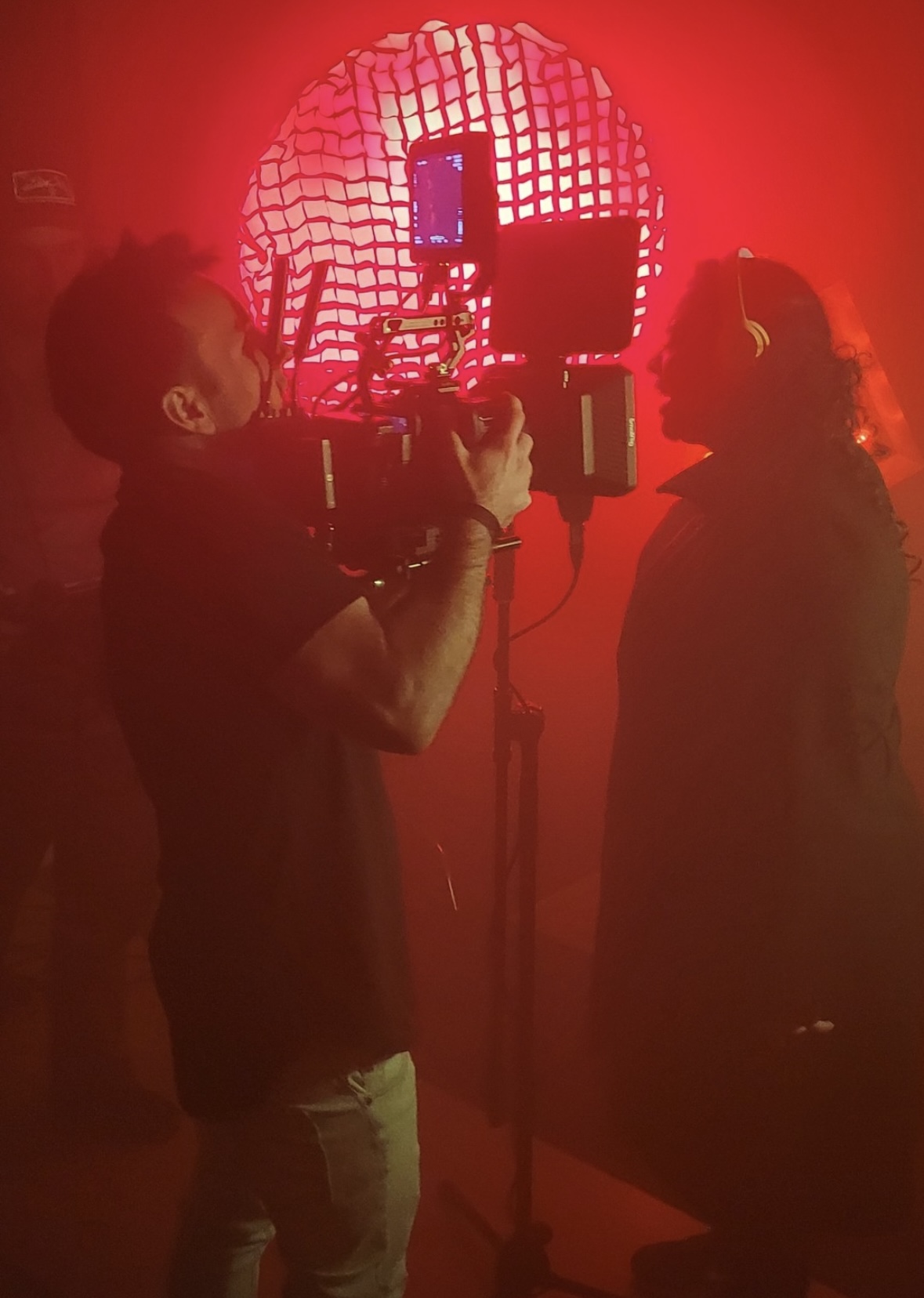

A patient deciding whether to attend a screening appointment, a candidate considering a clinical role, or a stakeholder reviewing a new health service is rarely persuaded by information alone. They need clarity, reassurance and a reason to trust the people behind the message. Effective healthcare video production gives organisations a practical way to deliver all three without reducing a complex subject to empty promotion.
For hospitals, health providers, research institutions, aged care operators, specialist clinics and government health teams, video is not simply a brand asset. It can explain a service, prepare people for care, support a behaviour-change campaign, recruit scarce talent or help staff apply a new process safely. The strongest work starts by defining that job before a camera is booked.
Healthcare video production starts with the outcome
A polished film can still miss the mark if it is made for the wrong audience or distributed without a clear purpose. Before creative treatment, scripting or location planning, establish what needs to change as a result of the video.
That may be improving attendance at a community health program, reducing confusion before a procedure, building awareness of a research initiative, attracting applicants to regional roles or helping internal teams understand a policy change. Each objective calls for a different message, length, format and measure of success.
Consider a patient information video. Its purpose is usually not to demonstrate the organisation’s production values. It is to help a person feel informed enough to take the next step. That changes the creative decisions: plain language matters more than corporate terminology, the journey must be easy to follow, and the right clinician or patient voice may carry more authority than a formal presenter.
A recruitment campaign has a different task. It needs to show the reality of the workplace while giving prospective staff a reason to see themselves in it. The best result is rarely a generic montage of smiling teams. It is a credible account of purpose, support, professional opportunity and the everyday culture candidates will experience.
Trust is the central creative challenge
Healthcare communications operate in a category where audiences may be anxious, time-poor or making decisions with serious consequences. Credibility is not an optional creative quality. It is the foundation of the work.
That does not mean every video must feel clinical or restrained. Human stories are often the most memorable way to communicate the value of care, innovation or research. The difference is that emotion needs to be earned. A real staff member explaining why a service matters, a researcher describing the potential impact of a trial, or a patient sharing their experience can make a message more accessible without overstating a claim.
The tone should match the context. A video about emergency care may require calm, direct communication. A campaign encouraging preventative health checks can be more energetic and approachable. Content for a specialist audience can accommodate greater detail, while community-facing material needs language that is clear across different levels of health literacy.
Visual choices matter as well. Authentic locations, real teams and recognisable working environments help audiences understand what they are being offered. Stock-like imagery and scripted praise can create distance when the audience is looking for evidence. There are cases where actors, animation or recreations are the right choice, particularly where privacy, access or clinical safety limits filming. The key is to make the approach feel purposeful, not like a compromise.
Accuracy, consent and access shape the production
Healthcare video production demands more planning than a standard corporate shoot. Clinical accuracy, patient privacy, informed consent, infection-control requirements and operational access all influence what can be filmed and how it can be used.
A clear approval process protects the organisation and makes production more efficient. Scripts should be reviewed by the people responsible for clinical, legal, brand and communications governance before filming begins. Where claims relate to treatments, outcomes or research, the language must be precise. Small wording changes can materially affect how a message is understood.
Consent deserves the same rigour. If patients, residents, families or participants are filmed, they need to understand where the content may appear, how long it may be used and whether their participation is voluntary. This is particularly important when filming involves vulnerable people, children or sensitive health circumstances. A signed release is essential, but respectful communication before and during the shoot is just as important.
Access planning also prevents avoidable disruption. Active facilities cannot stop operating because a crew needs a corridor or consultation room. A production plan should identify suitable filming windows, quiet locations, safety requirements, escorts, restricted areas and contingency options. In some environments, a smaller crew and compact equipment are the better operational choice, even if the shoot takes longer.
Build one story into useful assets
A single hero video rarely meets every communication need. Healthcare organisations often need content across websites, presentation screens, social channels, internal platforms, paid campaigns, events and stakeholder briefings. Planning for that range from the outset produces stronger value from the filming day.
For example, an organisation launching a new model of care might create a two-minute overview for its website, short vertical edits for social media, clinician-led explainers for patient communications, interview excerpts for recruitment and still imagery for campaign collateral. These assets can share a visual language while doing different jobs.
This approach is not about cutting one video into smaller pieces without thought. Each edit needs a clear message and a natural viewing context. A 20-second social clip needs to establish relevance quickly, often without sound. A website film can take more time to explain the process and introduce people. An internal training piece may need chapters, graphics and practical demonstrations rather than an emotional narrative.
Animation can be particularly useful when showing a process that cannot be filmed clearly, such as a patient pathway, biological mechanism, service model or data-led outcome. It can simplify complicated information, but it should not become decoration. Good animation makes the message easier to understand and remember.
A practical production process reduces risk
The quality of the final video is shaped well before filming. A disciplined process keeps stakeholders aligned, creates room for creativity and avoids expensive late-stage changes.
The work typically begins with a briefing session that defines the audience, desired action, channels, message hierarchy, approvals and constraints. From there, the production team develops the creative direction, interview approach, script or discussion prompts, locations, schedule and crew plan.
During filming, the priority is to capture material that serves the agreed communications objective while working respectfully around staff, patients and operations. Interview direction should help people speak naturally rather than sound rehearsed. The most useful contributions are specific: what the service does, who it helps, why it matters and what the viewer should do next.
Post-production is where story, pace, graphics, music, captions and brand elements come together. Captions should be considered a core requirement, not an afterthought. They improve accessibility and make content more usable in sound-off viewing environments. For public-facing work, it is also worth considering translated versions or alternative formats where the audience requires them.
Measure whether the message did its job
Views are useful, but they are not the whole story. The right measurement depends on the original objective. A recruitment film may be assessed through qualified applications and candidate feedback. A patient information video may reduce repeated questions, missed appointments or anxiety reported before a procedure. A campaign may be measured through reach, completion rate, enquiries, registrations or service uptake.
Qualitative feedback matters too. If frontline teams say the video helps them explain a service consistently, or community partners report that the message feels clear and respectful, that is valuable evidence of impact. The most effective organisations use these findings to refine future content rather than treating every production as a one-off.
Healthcare communication is ultimately human communication. When strategy, clinical care and thoughtful storytelling are aligned, video can make a complicated decision feel clearer, a new service feel more approachable and an organisation’s purpose feel real to the people it needs to reach.