

A new policy uploaded to the intranet is easy to ignore. A clear, credible two-minute video from a familiar leader can make the same message feel immediate, relevant and worth acting on. That is the real standard for how to create internal videos: not whether they look polished in isolation, but whether they help people understand, remember or do something differently.
For organisations with dispersed teams, complex operations or competing priorities, internal video is a practical communication asset. It can make safety procedures clearer on site, give a change program a human face, shorten onboarding time and help leaders communicate consistently across locations. But it only works when the production approach starts with the business outcome rather than the camera.
Start with the job the video needs to do
“Internal communications” is not a single objective. A leadership update, a system rollout, a compliance module and a recruitment induction all require different messages, formats and measures of success.
Before commissioning a video, define the action or shift you need from the audience. Do employees need to follow a new process? Understand why a change is happening? Recognise a safety risk? Feel more connected to the organisation’s direction? The answer shapes every decision that follows, from the script and interview questions to length, distribution and measurement.
A useful brief makes the outcome specific. Rather than saying, “We need a video about the new operating model”, set a clearer goal: “After watching, frontline managers should understand the three changes affecting their teams and know where to direct questions.” This gives the production team something concrete to build towards.
It is also worth identifying what video cannot solve. If a process is genuinely difficult, poorly resourced or still changing, a polished film will not fix the underlying issue. Video is most effective when it supports a sound operational plan and gives people the clarity they need at the right moment.
Know your audience before writing a script
The same internal message may need different versions for field teams, office-based staff, leaders, contractors and new starters. A technician watching on a mobile between jobs has different needs from an executive viewing a quarterly update at their desk.
Consider where people will watch, what they already know and what could prevent them from acting. In industrial, health or government environments, that may mean reducing jargon, demonstrating a physical process accurately and ensuring content is accessible to employees with different roles, language backgrounds or abilities.
The most credible internal videos usually sound like they come from inside the organisation, not from a generic campaign. This does not mean every message should be informal. It means the language should be recognisable, the examples should be real and the speaker should have a legitimate connection to the subject.
A CEO may be the right person to explain a strategic shift. A site supervisor, subject matter expert or team member may be far more persuasive when demonstrating how a new procedure works in practice. Choosing the right voice is as important as choosing the right visuals.
Build one clear message, then support it visually
Internal videos often become overloaded because too many stakeholders want their point included. The result is familiar: a five-minute update with no clear takeaway, watched reluctantly and retained poorly.
Give each video one primary message. Supporting points can provide context, but they should reinforce the main action or idea. If the subject is broad, create a small series rather than forcing every detail into a single piece of content. A launch video can establish the why, while short follow-up videos explain the process, answer common questions and introduce the people responsible.
A strong script normally follows a simple progression: establish why this matters now, explain what is changing or required, show what it means for the viewer, then make the next step clear. This structure works for a leader-to-camera message, a training film or a case-study-style change communication.
Visuals should do real work. If the audience needs to complete a task, show the task in the actual environment. If a new system is being introduced, use screen captures or purposeful animation to make the workflow understandable. If the goal is culture or engagement, include employees and locations that reflect the organisation honestly.
Avoid using generic stock imagery as a substitute for meaning. It can make an internal message feel detached, particularly when staff know the reality of the workplace. There are exceptions – some sensitive topics or future-state concepts may need animation or supplied imagery – but the creative treatment should always serve clarity and trust.
Choose the right internal video format
There is no ideal length for every internal video. A 60-second safety reminder may be exactly right for a pre-start meeting, while a detailed induction module may need more time and be broken into chapters. The better question is whether the runtime matches the viewing context and the complexity of the message.
For regular communication, short leadership updates, employee stories and campaign videos are useful for keeping a message visible without demanding too much time. For training, longer content can work well when it is structured around individual tasks, includes demonstrations and allows staff to revisit specific sections.
Some common formats include leader messages, onboarding films, safety and compliance videos, process demonstrations, change communications, internal case studies and employee profiles. A combination is often more effective than one hero film. A central video can establish the message, while shorter clips, stills and edited excerpts keep it active across internal channels.
Captions should be standard, not an afterthought. They support accessibility, help viewers watching without sound and improve comprehension when a speaker uses technical terminology. If your workforce includes multiple language groups, translated captions or versions may also be warranted. These requirements should be planned early because they affect scripting, graphics, timing and approval.
Plan production around operational reality
Internal video production can involve active worksites, controlled facilities, confidential information, senior stakeholders and multiple approval layers. A practical pre-production process prevents these variables from becoming costly problems on shoot day.
Start with a short discovery session involving the communication lead, relevant subject matter experts and the people responsible for approvals. Confirm the core audience, message, distribution plan, required deliverables, risks and non-negotiables. This is also the time to identify safety requirements, site access, inductions, personal protective equipment, privacy considerations and any restrictions around filming systems, documents or members of the public.
Scripts and storyboards matter because they create alignment before filming begins. They do not need to remove every natural moment from an interview, but they should establish the message hierarchy, likely visuals and key claims that require sign-off. For sensitive internal communication, involve legal, HR, safety or executive stakeholders early enough to protect accuracy without allowing approvals to derail the schedule.
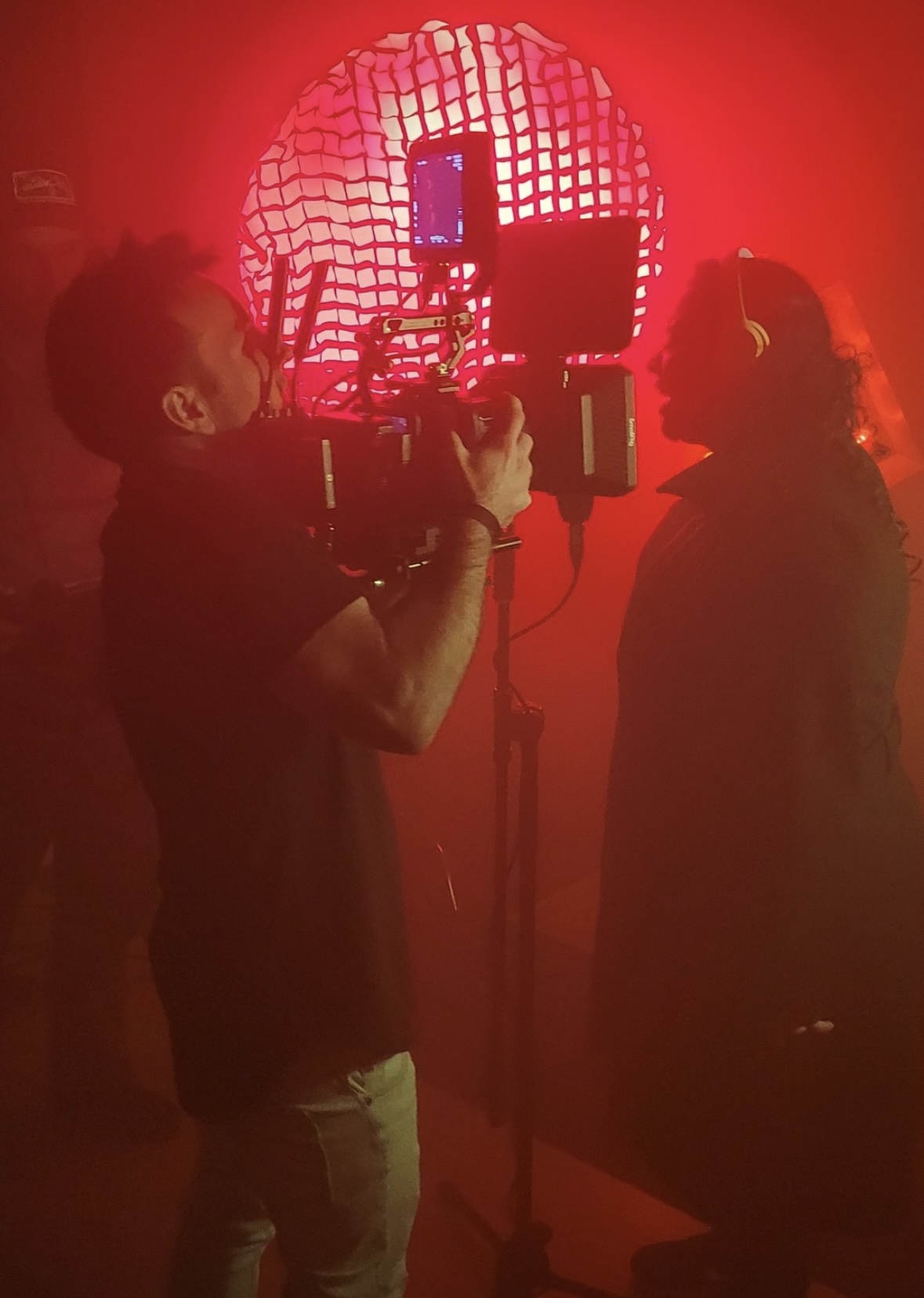
When filming employees, be realistic about their comfort and availability. Most are not professional presenters. A good director can create a relaxed environment, ask useful questions and capture authentic responses without making people feel they must perform. This is one area where experienced production support makes a material difference to the final result.
Design for distribution, not just the premiere
A video that sits in one hard-to-find portal will rarely achieve its purpose. Plan where it will appear before production starts: the intranet, learning management system, internal email, Teams, staff town halls, digital signage or mobile channels. Each platform has practical requirements for aspect ratio, captions, file format and length.
For example, a leadership message shown at a town hall may need a strong opening and widescreen format, while a mobile-first version for field teams may benefit from vertical or square edits, prominent captions and a faster route to the key point. Creating these versions during post-production is usually more efficient than trying to repurpose a finished master later.
Distribution also needs an owner. Someone should be responsible for publishing the content, prompting managers to use it in team meetings and directing staff to related resources. A video can start the conversation, but it should not be expected to carry every follow-up task alone.
Measure whether the message landed
View counts are useful, but they are not the whole story. A high completion rate may indicate that a video was appropriately short or well targeted. It does not prove staff understood a new process or changed behaviour.
Match measurement to the original objective. For training, assess knowledge through a short quiz, observation or reduction in repeat errors. For a change initiative, collect questions from managers and track common areas of confusion. For safety content, look at reporting quality, audit results or incident trends over time. For culture and engagement films, feedback and participation can provide stronger signals than views alone.
Use what you learn to improve the next piece. If staff repeatedly stop watching at the same point, the structure may need work. If managers receive the same questions after every leadership update, the message may be too high level. Internal video should be treated as an evolving communication system, not a one-off production exercise.
When professional production is worth it
Not every internal video needs a crew. A quick, timely update recorded on a mobile can be appropriate when speed matters more than finish. The trade-off is that poor audio, uncertain messaging or an uncomfortable presenter can reduce credibility, particularly for high-stakes communication.
Professional production becomes more valuable when the message is strategically important, the audience is large or dispersed, the subject is complex, or the content will be used repeatedly. It brings structure to the brief, confidence to the filming process and consistency across scripts, graphics, interviews and final assets. For organisations managing safety, change, recruitment or reputation, that reliability is often the point.
The most effective internal videos respect employees’ time and intelligence. Make the message useful, show people what good looks like and give them a clear next step. When the content reflects the reality of their work, it has a far better chance of becoming part of how the organisation actually communicates.