
A property video has a short window to do its job. It needs to make an investor, buyer, tenant, council stakeholder or future employee understand the opportunity, trust the people behind it and take the next step. This property video marketing guide focuses on how to make that happen, rather than simply producing attractive footage of a building.
For property developers, agents, asset managers and project marketers, video is most effective when it is treated as part of the sales and communications plan. The project may be a new apartment release, an industrial estate, a commercial leasing campaign or a long-term urban precinct. The format changes, but the commercial question remains the same: what does this audience need to know, feel and do?
Start with the business outcome
The strongest property films are built around a defined purpose. A campaign video intended to generate apartment enquiries has a different structure, audience and call to action from a project update for purchasers, a leasing film for a business park or a stakeholder video explaining a major development.
Before commissioning production, establish the outcome the video needs to support. That might be qualified enquiries, inspection bookings, lease discussions, investor confidence, community understanding or a more credible presentation for a sales team. A clear objective makes decisions about concept, budget, locations, talent and distribution far easier.
It also prevents a familiar problem: investing in a polished hero film that has no clear role after launch. Visual quality matters in property. It signals confidence and care. But quality without a communication strategy rarely carries a campaign on its own.
Define the audience before the message
“Potential buyers” is usually too broad to guide a creative brief. A downsizer considering an apartment near the coast has different priorities from a first-home buyer, a logistics operator seeking warehouse access or an institutional investor assessing a mixed-use precinct.
Consider what is influencing the decision. For residential property, it may be lifestyle, location, design confidence, amenity, price point or an easier transition into the next stage of life. For commercial and industrial property, access, services, scale, operational efficiency, workforce proximity and future growth may matter more.
The film should answer the questions that create momentum for that particular audience. It does not need to say everything. It needs to make the next conversation more productive.
Build the story around proof, not claims
Property marketing often relies on broad language such as “exceptional location” or “unmatched lifestyle”. Those claims can appear in any campaign. Video gives marketers the opportunity to show the evidence instead.
Aerial footage can demonstrate connectivity to transport routes, employment hubs, beaches or town centres. A considered walkthrough can reveal the actual quality of finishes, natural light and spatial flow. Interviews with a project director, architect, tenant or local business owner can provide authority that a superscript alone cannot.
For developments that are not yet complete, visualisation and animation can make the future tangible. However, it is worth being disciplined about how these assets are used. Renders establish vision, while real footage establishes confidence. Where possible, combine future-facing material with proof of delivery: previous projects, construction progress, the team behind the work or the surrounding neighbourhood as it exists today.
A useful property film usually has a simple narrative: here is the opportunity, here is why it matters, here is the evidence, and here is the next step. The detail should support that path rather than interrupt it.
Choose the right mix of property video assets
A single hero video can establish the campaign idea, but it is rarely enough for a full marketing cycle. Buyers and stakeholders encounter a project across websites, social platforms, digital advertising, email, presentations and sales appointments. Each channel has different viewing behaviours and space constraints.
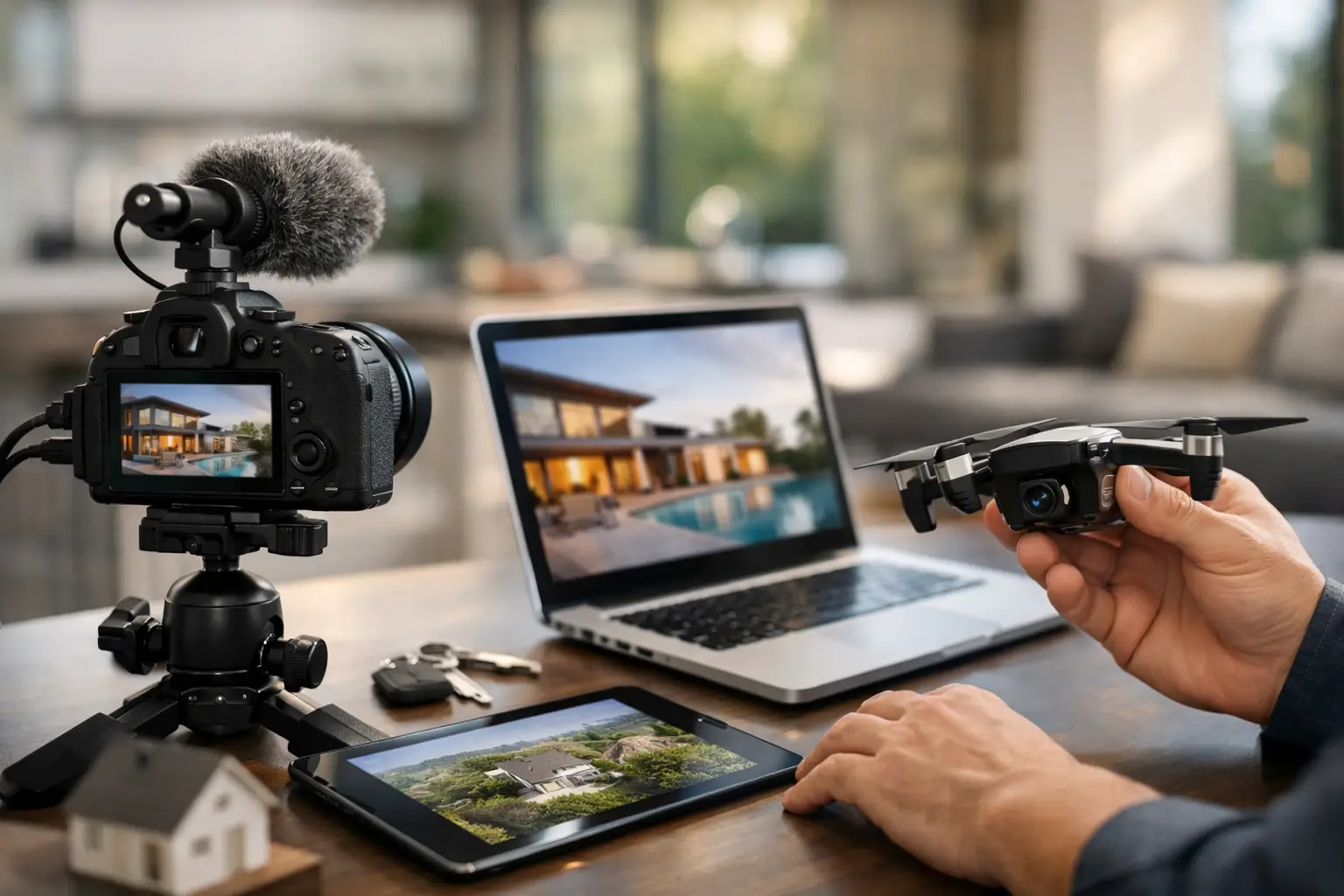
A practical production plan often creates a suite of assets from the same shoot. This might include a 60 to 90-second campaign film, shorter vertical edits for social media, interview cut-downs, location-focused clips, progress updates and still imagery. Capturing a coordinated library at the outset is generally more efficient than organising multiple small shoots later.
The right mix depends on the campaign. A completed display suite may need a premium walkthrough and concise social edits. A major industrial development may benefit from aerial coverage, site access footage, project-lead interviews and a clear explanation of infrastructure advantages. A precinct project with community interest may need messaging that balances commercial value with transparency around its broader benefit.
Plan for the channels, not just the shoot day
Property teams sometimes brief a landscape video for the project website, then discover they also need vertical assets for paid social, square formats for certain placements and short clips for sales representatives to send directly to prospects. Retrofitting these requirements in the edit can work, but it limits options.
Plan framing, duration and messaging before filming begins. This does not mean producing separate content for every platform. It means ensuring the production approach gives the campaign enough flexibility to perform across the channels that matter.
Captions should also be considered from the start. Many social videos are watched without sound, while clear on-screen text can help viewers understand the offer quickly. Voiceover and interview audio still have a role, particularly where trust, expertise or detail matters, but the story should not collapse when viewed silently.
Make people part of the picture
Empty interiors and drone footage can look impressive, yet property decisions are human decisions. A home is imagined in use. A workplace is assessed through the experience of staff and customers. A precinct is judged partly by whether it feels active, connected and credible.
Where it suits the project, show people interacting naturally with the place. This may involve residents, staff, local businesses, project team members or professionally cast talent. The choice depends on the desired level of authenticity, the project stage and the audience’s expectations.
Interview-led content can be particularly valuable for complex developments. A development director can explain the intent behind a project. An architect can describe design decisions in plain language. A tenant can speak to practical benefits. These voices should be concise and purposeful, not a collection of generic endorsements.
Good direction is what makes this material feel natural. The aim is not to turn a property project into a lifestyle commercial. It is to give the audience enough human context to picture what the place enables.
Treat production logistics as part of risk management
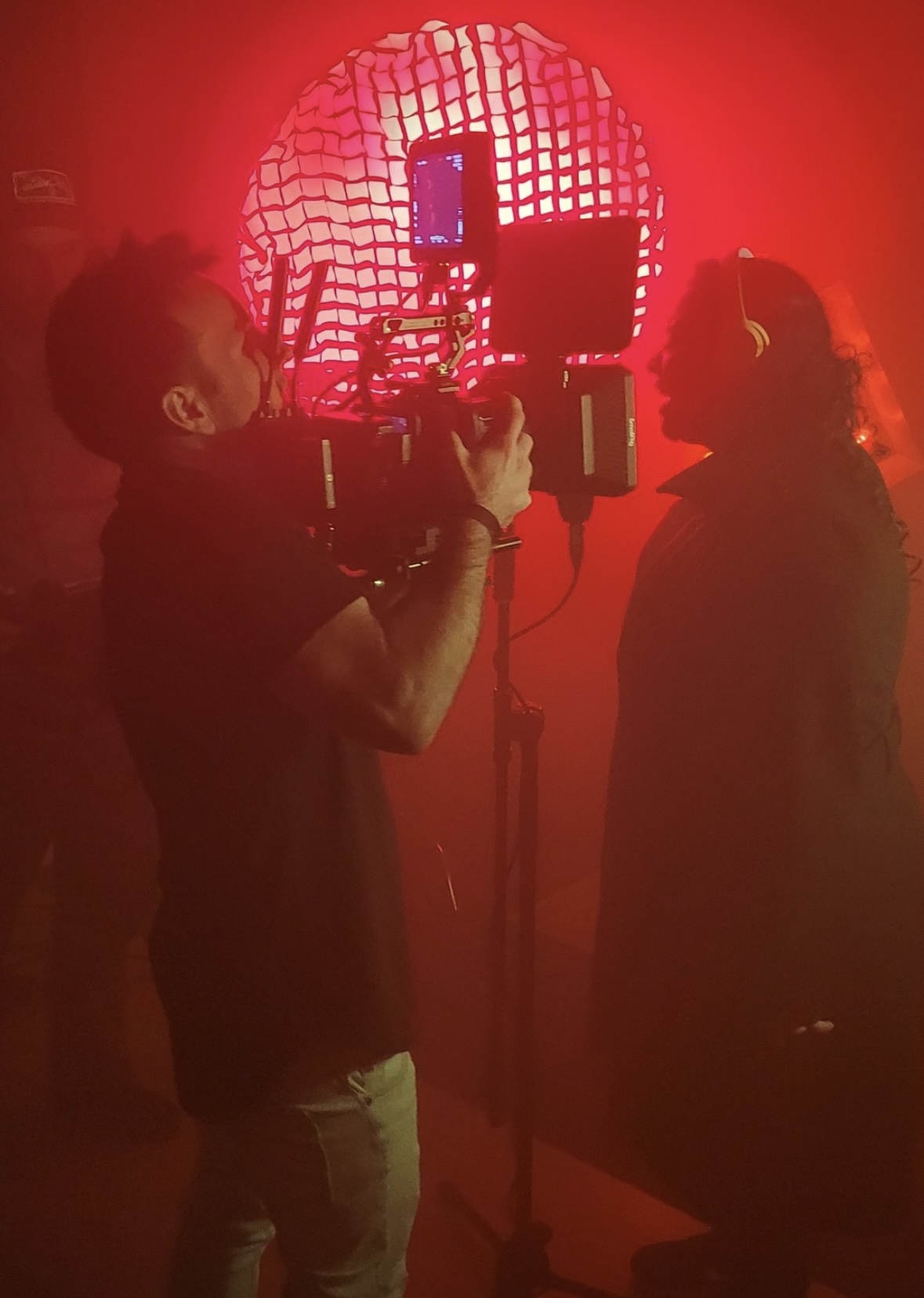
Property shoots often involve live construction sites, occupied buildings, public spaces, active roads and multiple approval layers. A capable production process accounts for this well before cameras arrive.
Site inductions, safety requirements, access windows, weather contingencies, drone permissions, tenant approvals and talent releases all affect the schedule. In a live commercial environment, the best filming time may be early morning, after hours or during a tightly managed operational window. That needs to be coordinated with project teams, facility managers and contractors, not left to chance.
A detailed pre-production process protects both the outcome and the client team’s time. It confirms the story, shot priorities, interview questions, locations, approvals and delivery requirements before the shoot. For organisations managing multiple suppliers and stakeholders, that structure is as valuable as the footage itself.
Measure the video against its real role
Views are useful, but they are not the only measure of performance. A property campaign film may reach fewer people than a short social clip while still having greater value because it helps sales staff convert high-intent prospects. Likewise, a construction update may not generate public engagement, but it can reduce uncertainty among purchasers or stakeholders.
Set sensible measures based on the objective. These may include completed views, click-throughs, enquiry quality, inspection bookings, time spent on a project page, use by sales teams or feedback from stakeholder groups. Pair the data with what the team hears in market. Are prospects arriving better informed? Are the same objections appearing less often? Is the video helping explain a difficult aspect of the project?
Property video marketing works best when the campaign learns as it runs. Shorter edits may reveal which benefits draw attention. Sales conversations may show where the core film needs stronger proof. A development update may identify the information stakeholders want next. These insights can shape the next release rather than being filed away after launch.
A well-made property video is not just a record of a place. It is a useful piece of commercial communication that gives people a reason to believe in what the place can become. When the strategy is clear and the production is planned around real decisions, the footage keeps working long after the shoot day.