

A procurement manager describing why a complex rollout worked carries a different kind of weight to a brand claim on a slide. They have experienced the process, seen the result and can explain the value in language their peers recognise. That is what makes testimonial videos effective: they turn a business promise into credible, human evidence.
For organisations selling considered services, specialist products or long-term partnerships, that evidence can shorten the distance between interest and confidence. But a customer on camera is not automatically persuasive. The most useful testimonial videos are planned around a communication objective, shaped around a genuine story and produced to feel as credible as the person telling it.
What Makes Testimonial Videos Effective in B2B?
Effective testimonials work because they borrow trust from an independent voice. A business can say it is reliable, innovative or easy to work with. A client explaining how a supplier handled an operational challenge, met a deadline or helped achieve a measurable result is far more believable.
The distinction matters in B2B and government-related communications, where decisions are rarely made by one person on impulse. Marketing teams may initiate research, but operational leaders, procurement, finance and executive stakeholders often need confidence that a provider understands the real-world environment. A well-made testimonial gives each of those audiences practical reassurance.
It also gives prospective clients something more useful than praise. Specificity helps them assess fit. A facilities manager may identify with another facilities manager. A university communications lead may recognise the pressure of aligning multiple stakeholders. A mining operator may value a story about safety, site access and production continuity more than a generic statement about excellent service.
This is why the strongest testimonials do not begin with, “They were great to work with.” They begin with the situation: what was at stake, what needed to change and why the organisation chose a particular approach. The endorsement becomes credible because the viewer can follow the logic behind it.
Credibility Comes Before Production Polish
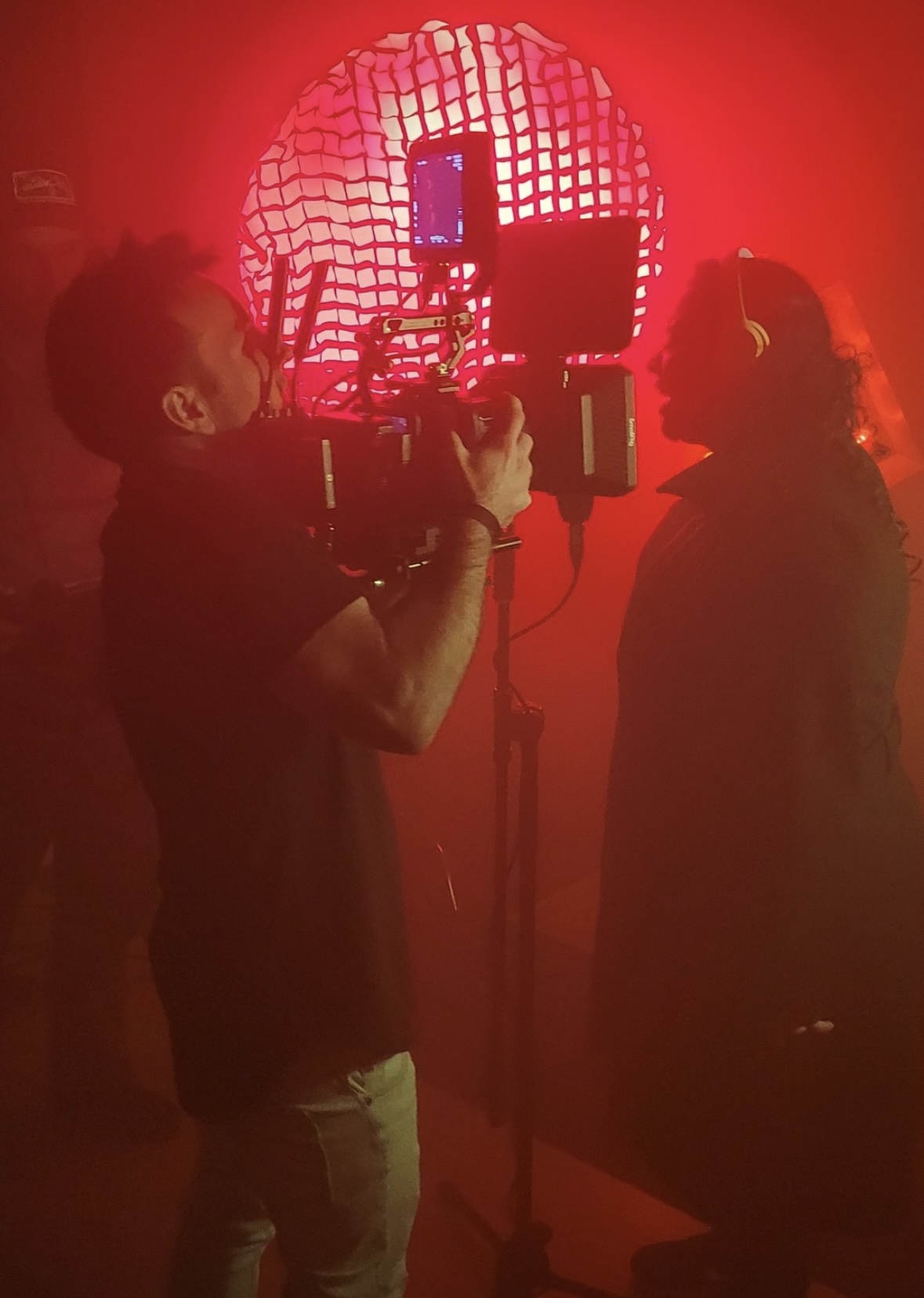
Professional production matters. Clean audio, considered lighting, purposeful framing and strong editing signal care and make the story easy to follow. For corporate audiences, poor sound or a rushed visual treatment can undermine confidence in the message before the interviewee has made their point.
However, polish should support authenticity rather than flatten it. Over-scripted answers, inflated claims and a heavily stylised treatment can make a customer sound like a spokesperson. The aim is not to manufacture enthusiasm. It is to create an environment where someone can speak clearly and naturally about a real experience.
That usually means interviewing rather than scripting. A good producer will prepare the participant with the themes being explored, explain how filming will run and make space for answers in their own words. Questions should prompt detail: what challenge existed, what alternatives were considered, how did the implementation unfold, and what changed afterwards?
There is a trade-off here. Some organisations want every line approved in advance, particularly in regulated sectors or where commercial sensitivities apply. That is understandable. The practical solution is to agree on boundaries, facts and approvals early, then preserve room for natural delivery during the interview. A statement can be compliant and still sound human.
The Story Needs a Clear Business Outcome
A testimonial is most effective when it has a beginning, middle and result. The beginning establishes the challenge. The middle explains the experience of working together or adopting the solution. The result demonstrates the value achieved.
The outcome does not always need to be a dramatic percentage increase. In many sectors, the strongest proof is operational: smoother onboarding, a safer process, greater stakeholder engagement, clearer internal communication, stronger attendance at an event or a project delivered without disruption. These results are meaningful because they reflect the way organisations actually evaluate success.
Where measurable evidence is available, use it carefully. Numbers add authority when they are accurate, relevant and easy to understand. “We reduced manual reporting time by 30 per cent” is stronger than “we saved time”. But metrics should not be forced into every story. If the value was trust, collaboration or clarity during a complex change, let the customer explain that value plainly.
A useful test is whether a viewer can answer three questions after watching: what problem did this organisation face, what did the provider do differently, and what changed as a result? If any answer is vague, the story may need a sharper editorial focus.
Relevance Matters More Than Broad Appeal
The ideal testimonial participant is not necessarily the most senior client or the most polished presenter. It is the person whose experience best reflects the decision the intended audience is trying to make.
For a recruitment campaign, an employee explaining why they joined and stayed may be more persuasive than an executive discussing culture. For a training platform, a frontline user can provide better evidence than a project sponsor. For a major property development, the right voice may be a tenant, community representative or project partner, depending on the communications objective.
This is where strategy shapes production. Before filming, define the audience, desired action and distribution context. A case study designed to support a sales team can carry more detail than a short social asset. A video for an internal change program may need to acknowledge staff concerns directly. A campaign aimed at multiple sectors may require several tailored edits, each led by the most relevant proof point.
Trying to make one testimonial speak to everyone often produces a message that lands with no one. A focused story is usually more commercially useful, even when the final production includes cut-down versions for different channels.
Make the Customer the Hero
The brand should be present in the story, but it should not dominate it. The customer is the protagonist: they had the challenge, made the decision and achieved the outcome. Position the business as the capable partner that helped make progress possible.
This approach avoids a common problem in testimonial video: using the customer merely as a vehicle for a list of brand claims. Viewers can sense when every question is designed to produce the same answer. Better interviews explore the customer’s context, their decision-making process and the moments that mattered in delivery.
Visuals can reinforce this without becoming decorative. Film the participant in an environment that gives their role context, whether that is a site, campus, office, facility or operational setting. Use supporting footage to show the work, people and outcomes being discussed. For industrial, education and government settings, this may also require careful planning around safety, access, privacy and approvals.
The result should feel grounded in a real organisation, not a generic boardroom endorsement.
Distribution Should Shape the Edit
A six-minute customer story may be valuable on a website, in a capability presentation or as a sales follow-up asset. The same story will not necessarily perform well as a paid social video. Effective testimonial production considers distribution from the beginning, not after the master edit is delivered.
The core interview can support a suite of assets: a longer case study, concise cut-downs focused on one outcome, vertical versions for mobile viewing, still imagery and short quotes for campaign use. This gives marketing and communications teams more ways to use the customer’s approval while keeping the story consistent.
Captions are also essential, particularly for mobile and social viewing, but they benefit all audiences. Clear on-screen identifiers, restrained graphics and a direct opening help viewers understand the context quickly. The first few seconds should establish who is speaking and why their perspective matters.
At THIRTY3SOUTH Films, this is why testimonial production starts with the job the content needs to do. The interview, creative treatment, filming plan and final edit should all serve the same business objective, whether that is building trust with prospects, supporting a tender response, attracting talent or helping stakeholders understand change.
A Testimonial Is Earned Proof
The best testimonial videos cannot compensate for a weak customer experience. They work because there is something worth saying, and because the production gives that truth a clear, credible form.
Choose a story with a real challenge and a meaningful result. Let the customer speak in their own voice. Give the audience evidence that relates to their world, then build the edits around where and how they will watch. When those decisions are made well, a testimonial becomes more than a positive review. It becomes a practical asset that helps people feel confident enough to take the next step.