
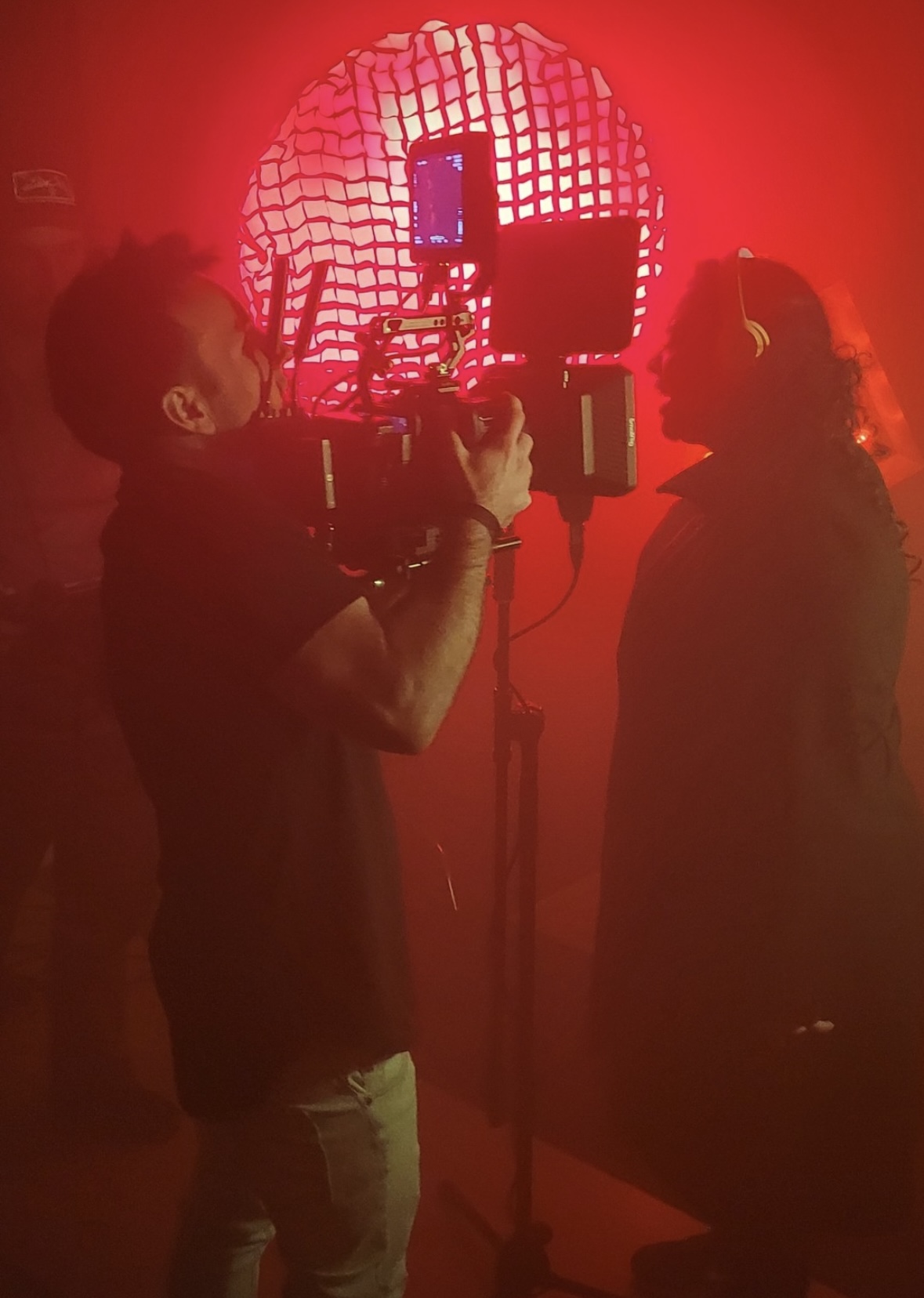

A prospective student can scan dozens of university websites, compare course pages and scroll social content in a single evening. What they cannot easily judge is how a campus feels, whether they will find their people, or how study connects to a future career. The strongest university campus film examples answer those human questions while giving the institution a useful communications asset.
For universities, TAFEs and higher education providers, campus video should not be treated as a glossy virtual tour with no job beyond looking impressive. It needs to support a defined outcome: enquiry generation, enrolment conversion, event attendance, student retention, staff recruitment, donor confidence or community engagement. The creative concept matters, but so does where the film will run, who needs to act after watching it, and how long the content will remain relevant.
What Effective University Campus Film Examples Have in Common
The best campus films make an institution feel tangible. They combine the scale of facilities and grounds with the smaller moments that shape a student’s day: a practical class starting, a tutor answering a question, friends meeting between lectures, a clinical simulation, a team project or a quiet study space.
That balance is important. A film made entirely of drone shots and empty architecture may establish location, but it rarely creates belonging. At the other extreme, a purely personal student story can be warm and credible but may not show enough evidence of academic quality, industry access or support services. The right mix depends on the audience and the campaign objective.
A good brief also recognises that different audiences need different proof. A Year 12 student may be looking for community and possibility. A parent may want reassurance about support, safety and outcomes. An international applicant may need confidence in arrival, accommodation and campus services. A prospective postgraduate student may be more interested in research capability, flexibility and professional relevance.
6 University Campus Film Examples Worth Building
1. The student-day-in-the-life film
This format follows one student through a real or carefully structured day, from arriving on campus to classes, practical work, social time and the trip home. It is an effective way to turn an unfamiliar campus into a place viewers can imagine themselves inhabiting.
The story works best when it has a clear point of view. Rather than attempting to represent every course and service in two minutes, it can focus on a first-year engineering student, a mature-age nursing student or someone who travels from regional NSW. Their experience becomes the thread, while the campus provides the context.
For recruitment teams, this film can support course landing pages, open day promotion, paid social placements and email nurture campaigns. It is particularly valuable when cut into shorter vertical versions that answer one question at a time: What is a first class like? Where do students eat? How do practical sessions work?
2. The campus experience brand film
A campus experience film is broader than a student profile. It communicates the institution’s personality, location, facilities and ambition through a polished, energetic narrative. This is often the flagship piece used at open days, presentations, homepages and major campaigns.
Its risk is trying to say everything. A film that lists every faculty, ranking, building and support service can quickly feel like a brochure read aloud. A stronger approach centres on a simple promise, such as learning that is connected to industry, a campus where students are known, or education with a visible impact on the region.
Visual variety carries the message. Academic spaces, libraries, workshops, sporting facilities, accommodation and outdoor social spaces should feel connected by a consistent story, not simply edited together as a collection of locations. Voiceover can provide clarity, but authentic student and staff voices often make the message more believable.
3. The course and faculty film series
Prospective students do not choose a campus in the abstract. They choose a course, a discipline and a potential career direction. Course-specific films give marketing teams the detail that a broad brand film cannot.
A screen production film might show students planning shoots, working with equipment and receiving feedback in an edit suite. A health film may focus on simulated clinical environments, placements and the confidence gained through practice. For a business school, the proof might be industry projects, mentoring and applied learning.
This format performs well as a series because it creates a consistent visual system across faculties while retaining room for each discipline’s identity. Production can also be planned efficiently, with shared campus footage captured once and tailored interviews, practical demonstrations and student stories filmed for each course area.
4. The research impact film
Research can be difficult to communicate because its value is often technical, long-term or invisible to a general audience. A research impact film makes the work understandable by beginning with the real-world problem rather than the institutional process.
For example, a film might open with the community, environmental or health challenge being addressed, then introduce the researchers, facilities, collaborators and outcomes. This is more compelling than leading with titles, equipment and academic credentials alone, although those details still have a place as proof points.
These films are useful beyond student recruitment. They can support government engagement, industry partnerships, philanthropy, annual reporting and media activity. They also demonstrate why specialist facilities and expertise matter to the wider community.
5. The open day invitation film
Open day content has a short window to perform, so it needs a direct purpose. The viewer should understand what is happening, when it is on, why it is worth attending and what they can do while there. A strong event film creates enough energy to make attendance feel worthwhile without relying on vague claims.
The most useful version is usually built around a hero edit, supported by cut-downs for social channels, digital screens and course-specific promotion. Filming previous open days can provide genuine crowd atmosphere, conversations and demonstrations, while new footage can keep dates and calls to action current.
Avoid making the event itself the only story. Show the moments attendees can expect: speaking with academics, trying equipment, touring accommodation, meeting current students and exploring facilities. That gives the audience a reason to put the date in their calendar.
6. The staff and student recruitment film
University campuses rely on more than prospective students. They need capable professional staff, academics, researchers, casual employees, ambassadors and partners. Recruitment films can show what it is like to work and contribute within the institution, including the purpose behind the role.
This is especially valuable in specialist areas where candidates are comparing multiple employers. A well-made film can show team culture, workplace flexibility, meaningful projects and access to facilities, while remaining credible about the demands of the work. Staff should speak in their own language rather than reciting a corporate script.
Plan the Film Around the Channel, Not Just the Shoot
A two-minute landscape film for a website is not automatically suitable for a mobile-first campaign. Nor is a fast-paced vertical social edit always appropriate for a board presentation or stakeholder event. The core story can be shared, but the delivery should be designed for how and where people will watch.
Before production, decide what assets are required: a flagship film, 30-second campaign cut-downs, 15-second reminders, vertical edits, silent-caption versions, still photography, interview extracts or motion graphics. This prevents the common problem of investing in a single hero video and then finding it cannot do enough work across the campaign.
Accessibility should be part of the plan. Accurate captions, considered audio, readable on-screen text and clear visual storytelling make content more useful to more people. They also improve performance in the everyday reality of mobile viewing, where many videos are watched without sound.
Get the Human Story Without Losing Control of the Message
Universities often have complex approvals, busy academic calendars, sensitive research areas and multiple internal stakeholders. These realities do not need to flatten the creative outcome, but they do require a disciplined production process.
Start with a communication objective and a clear audience. Then agree on the central message, priority locations, contributors, approvals and delivery requirements before filming begins. Student contributors need preparation and consent processes, but they should still sound like people, not spokespeople. The most credible answers often come from well-framed questions rather than heavily scripted lines.
Timing also matters. A campus filmed only during quiet periods can look pristine but lifeless. A campus filmed during peak activity may feel energetic but be harder to control. The best approach often combines both: schedule key interviews and detail shots carefully, then capture genuine campus movement when it adds scale and authenticity.
THIRTY3SOUTH approaches university production as a communications project first and a filming project second. That means shaping the story, managing contributors and building an asset package around the outcome the institution needs to achieve.
A campus film earns its place when a viewer can see themselves taking the next step – applying, attending, partnering, working there or simply taking the institution more seriously. Start with that next step, and the right story has somewhere useful to go.