
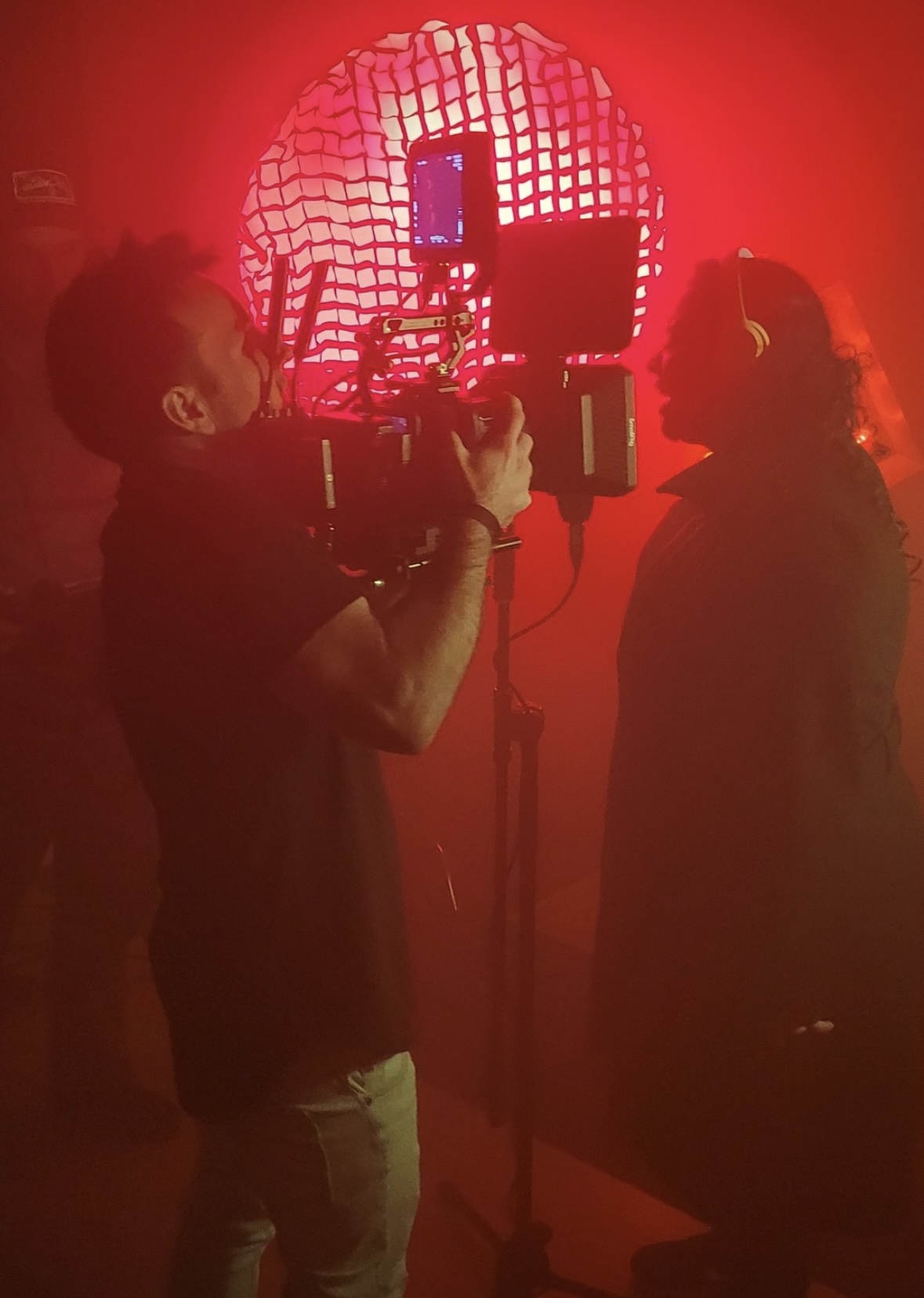

A job advertisement can describe a role, but it rarely shows what a candidate most wants to know: who they will work with, what the environment feels like and whether the organisation’s promises match the day-to-day reality. Video content for recruitment closes that gap. Done well, it gives people enough clarity and confidence to apply for the right reasons.
For HR, communications and marketing teams, that matters more than simply increasing application numbers. The stronger outcome is a better-informed applicant pool, a more credible employer brand and fewer surprises once someone reaches interview or starts the job.
Why recruitment video earns attention
Candidates assess an employer well before they submit an application. They may look at a careers page, scan social channels, read reviews and speak to people in their network. A polished but generic statement about culture is easy to overlook. Hearing directly from a team member, seeing a worksite or watching a leader explain how a role contributes to the organisation makes the information more believable.
This is particularly valuable in sectors where the work is hard to explain through text alone. A manufacturing business can show the scale, technology and safety systems behind its operation. A school can show the energy of its learning environment. A regional employer can help interstate or metropolitan candidates understand the lifestyle and community around the role. For government and health organisations, video can make large, complex teams feel more approachable without oversimplifying the work.
The point is not to turn every vacancy into a glossy brand film. Recruitment content should answer practical questions and create a human response. What does a normal day involve? What support is available? What standards matter here? Who tends to succeed? When candidates can see themselves in the role, they can make a more considered decision.
Start with the recruitment problem, not the shoot
Before choosing a format, define the business outcome. An organisation recruiting at volume has different needs from one trying to attract a small number of specialist engineers, educators or executives. A campaign designed to improve awareness in a competitive market will also look different from content intended to reduce early attrition.
A useful brief identifies the audience, the barrier to application and the action the viewer should take. If applications are low, the issue may be a lack of awareness or a misconception about the role. If applications are plentiful but unsuitable, the video may need to be more candid about expectations, location, shifts, qualifications or the physical nature of the work.
This is where honesty becomes a commercial advantage. Showing only the most attractive parts of a job may generate clicks, but it can create a poor fit. A well-planned recruitment video presents the opportunity positively while respecting the reality of the role. It should leave the right candidates motivated, not every possible candidate persuaded.
Build messages around evidence
The most effective claims are specific and supported by what people can see. Rather than stating that an organisation has a strong culture, show colleagues collaborating, a supervisor coaching a new team member or an employee describing the trust they have been given. Rather than relying on a broad statement about career progression, explain how someone moved from an entry-level position into a specialist or leadership role.
Employee stories are especially useful because they carry credibility. They should not sound scripted to within an inch of their life. Good interview direction gives people a clear purpose and enough preparation to speak confidently, while leaving room for their own language and experience.
Formats that work across the hiring journey
A single hero film has value, particularly when an organisation is building its employer brand. But recruitment is rarely a one-video job. Teams often get better value by planning a suite of content from the same production process, with each asset assigned a clear role.
A short employer brand film can introduce the organisation’s purpose, people and working environment. Role-specific videos can explain what a particular team does and what candidates can expect. Day-in-the-life content can show routines, equipment, locations and interactions that are difficult to capture in a position description. Employee testimonials can address career pathways, flexibility, mentoring or the reason someone has stayed.
Short social edits are useful for creating initial interest, while longer videos on a careers page can answer deeper questions before application. Recruitment event screens, internal referral campaigns and onboarding communications can also draw from the same footage. Planning these uses upfront helps prevent a costly, one-off asset that has limited life beyond its launch.
There is a trade-off. More deliverables do not automatically mean more impact. If budget is tight, prioritise the moments and messages that will remain relevant across several hiring rounds. A well-shot employee story with adaptable edits can often work harder than a large campaign that dates quickly.
Show the reality of the workplace
Authenticity does not mean filming everything without direction. It means making deliberate choices that reflect the organisation accurately. Locations should be clean, safe and operationally representative. Participants should reflect the diversity of the workforce where possible, without casting a version of the business that employees would not recognise.
For industrial, construction, mining and manufacturing environments, safety has to be visible in both the story and the production plan. Personal protective equipment, inductions, site access, permits and filming around live operations require experienced coordination. The same applies in schools, health settings and government environments, where privacy, consent and operational sensitivities need careful handling.
Production quality still matters. Poor sound, rushed interviews or unclear visuals can undermine the credibility of an otherwise strong employer message. Candidates may reasonably assume that how an organisation presents itself is connected to how it operates. Professional production is not about adding polish for its own sake. It is about making the message easy to trust and easy to understand.
Make video content for recruitment useful everywhere
Distribution should influence creative decisions from the beginning. A film made only for widescreen viewing may not perform well when cut into vertical social content. Interviews that rely on dense spoken detail may need captions and supporting text when viewed silently on a mobile. If a careers page has slow load times or a complex application process, even excellent video may not lead to the desired action.
Create versions that suit where candidates will encounter them. This usually means a primary film, shorter edits, vertical variations, captioned versions and still imagery for supporting campaign materials. Clear calls to action should match the stage of consideration. Someone seeing a short video on social media may be ready to learn more, while a viewer on a role page should be able to move directly to the application process.
Accessibility is part of effectiveness, not an optional extra. Captions assist viewers in public places, people watching without sound and candidates with hearing impairment. Plain language and thoughtfully structured content also make information more inclusive. Where an organisation recruits across diverse communities, consider whether additional language versions or culturally specific stories would improve relevance.
Measure more than views
View counts can indicate reach, but they do not tell the whole story. Recruitment teams should connect content to outcomes such as qualified applications, completion rates, time to fill, cost per applicant and retention through the early months of employment. The right measure depends on the campaign objective.
Qualitative feedback is useful too. Ask recruiters whether candidates arrive better informed. Ask hiring managers whether interviews are more productive. Ask new starters what influenced their decision to apply. These conversations often reveal whether the content is addressing a genuine barrier or simply attracting attention.
Video should be reviewed as hiring needs change. A message that worked for graduate recruitment may not speak to experienced operators. A major site expansion, new flexible work policy or changed labour market may require fresh content. Keeping a bank of well-organised footage and interviews makes updates faster and more cost-effective than starting again each time.
A stronger first conversation with candidates
Recruitment video works best when it treats candidates as people making a significant decision, not as traffic to be pushed through a funnel. Give them a clear view of the work, the people and the standards they can expect. Let the content do some of the explaining before the first conversation, so that when the right person applies, both sides can spend less time guessing and more time assessing whether there is a genuine fit.